










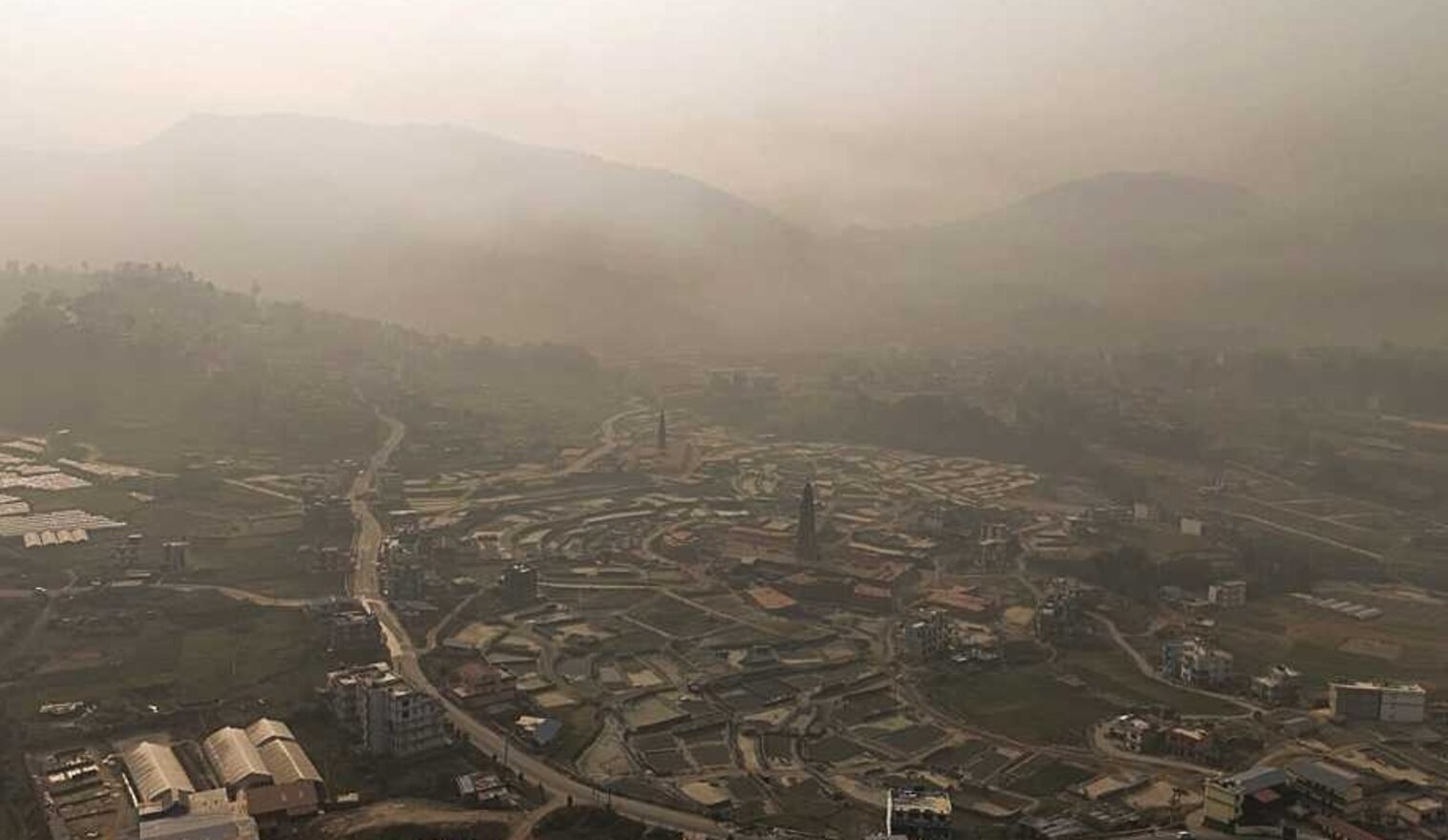
IQAir highlights air quality challenges across Asia as pollution concerns persist
IQAir continues to play a key role in tracking global air pollution, with a strong focus on Asia, where rapidly growing cities are facing some of the most severe air quality challenges in the world.
The Switzerland-based platform provides real-time air quality data using a network of monitoring stations and sensors. It measures pollutants such as PM2.5, which is considered one of the most harmful air contaminants due to its ability to penetrate deep into the lungs and bloodstream.
Across Asia, air pollution remains a persistent issue driven by a combination of vehicle emissions, industrial activity, construction dust, and seasonal agricultural burning. Many cities in the region regularly experience unhealthy or hazardous air quality levels, particularly during colder months when weather conditions trap pollution close to the ground.
The data shared by IQAir is widely used by governments, researchers, and the public to monitor environmental conditions and understand health risks associated with poor air quality. Its global rankings often draw attention to pollution hotspots and highlight the need for stronger environmental policies.
In major urban centres, air quality fluctuations are influenced by rapid urbanisation and economic expansion. Increased traffic, energy consumption, and industrial output continue to put pressure on environmental systems, making air quality management a growing challenge for policymakers.
The platform primarily focuses on PM2.5 measurements, which are closely linked to respiratory and cardiovascular diseases when exposure is prolonged. Health experts warn that continued exposure to high pollution levels can have serious long-term consequences, especially for vulnerable groups such as children and the elderly.
Despite growing awareness and some policy interventions in different countries, air pollution remains a major public health concern across Asia. Efforts to improve air quality are ongoing, but progress varies widely between regions depending on enforcement, infrastructure, and economic priorities.
IQAir’s monitoring data continues to underline a clear message: while awareness is increasing, air pollution in many Asian cities remains a critical issue that requires sustained action at both national and regional levels.