










UK and France strike new £662m small boats deal to curb Channel crossings
The United Kingdom and France have agreed a new £662 million three-year deal aimed at reducing illegal small boat crossings across the English Channel, marking a major step in ongoing efforts to tighten border security and disrupt people-smuggling networks.
Under the agreement, both countries will expand joint enforcement operations along France’s northern coastline, where most small boat journeys to the UK begin. The plan includes increased police presence, upgraded surveillance systems, and enhanced cooperation between British and French authorities.
A key feature of the deal is the deployment of around 1,100 personnel, including police, intelligence officers, and maritime teams, to track and intercept smuggling operations. France will also use drones, helicopters, and advanced monitoring technology to improve detection of small boat preparations before they reach the sea.
For the first time, the agreement also includes the creation of a specialist riot-trained police unit in France. These officers will be tasked with managing large groups gathered on beaches and preventing chaotic boarding attempts. The move has drawn attention due to its unusual focus on crowd-control tactics in migration enforcement.
The funding arrangement includes a performance-based element, meaning a portion of the UK’s financial contribution will depend on measurable reductions in crossings. Officials say this is intended to ensure stronger results and accountability in the long-running effort to reduce irregular migration.
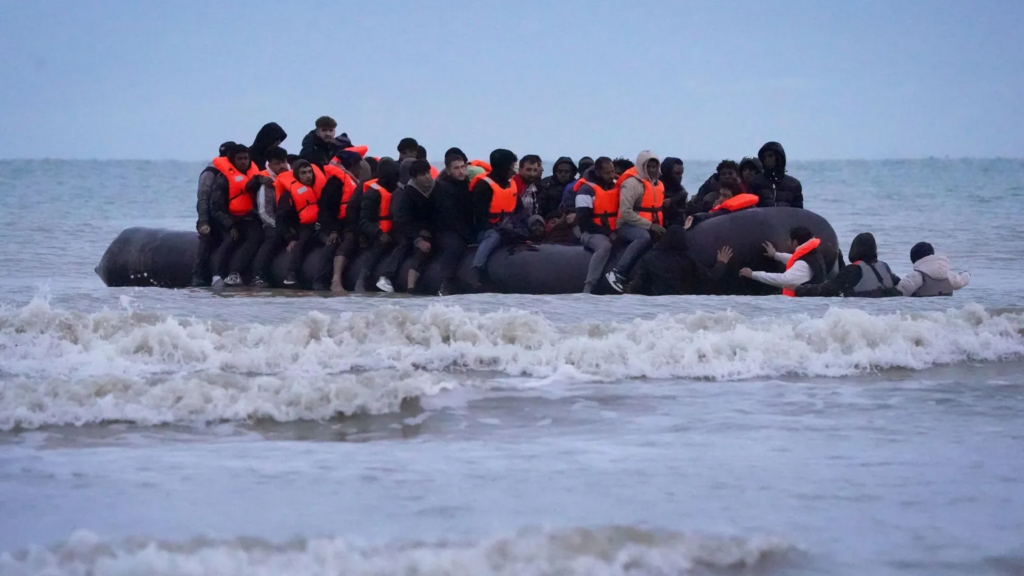
The deal replaces a previous agreement between the two countries and comes amid continued political pressure in the UK over rising Channel crossings in recent years. Thousands of people continue to attempt the dangerous journey each year, often in overcrowded and unsafe inflatable boats.
While the UK government has welcomed the agreement as a tougher and more structured approach, critics argue that it focuses heavily on enforcement rather than addressing the root causes of migration. Some refugee groups have also raised concerns about the humanitarian impact of increased policing on French beaches.
Despite the criticism, both governments say the agreement reflects closer cooperation and a shared commitment to tackling smuggling networks operating across the Channel. The success of the plan will be closely watched in the coming months as authorities attempt to reduce one of Europe’s most politically sensitive migration routes.