



Is Keir Starmer’s Leadership Under Serious Threat? Labour Faces Mounting Internal Pressure After Election Blow
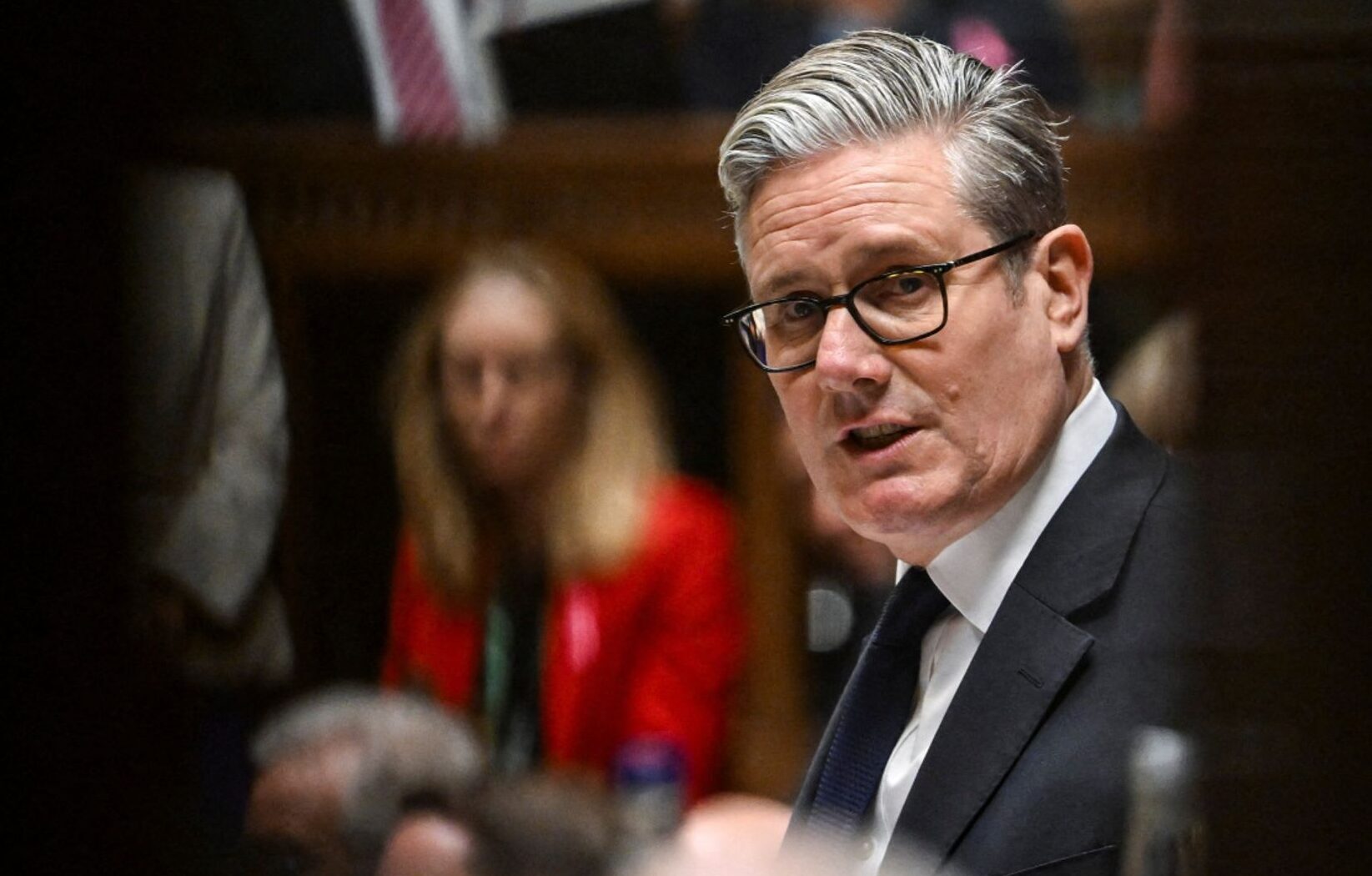
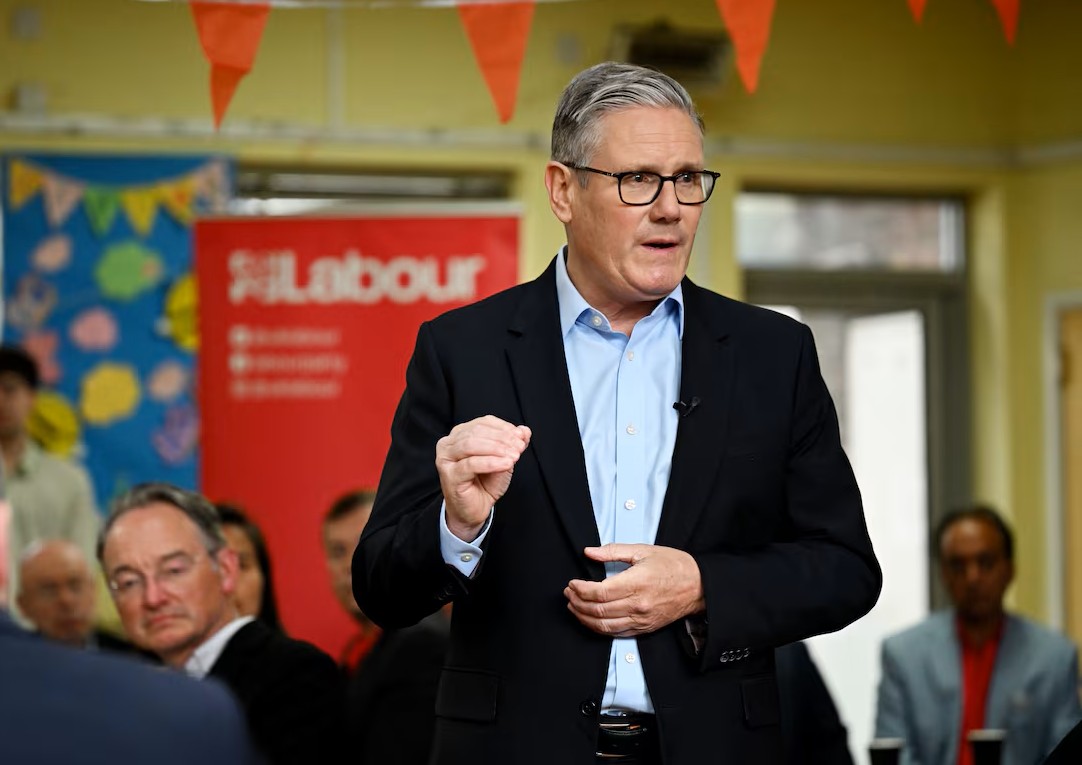
UK Prime Minister Keir Starmer is facing growing pressure from within his own party following a wave of heavy electoral losses that have triggered renewed questions about his political future.
After a disappointing set of local and regional election results, Labour has lost hundreds of council seats across England, Wales and Scotland, with voters shifting toward Reform UK, the Greens and other challengers. The scale of the losses has intensified internal debate over whether Starmer remains the right leader to take the party into the next general election.
Reports from Westminster indicate that dissatisfaction is building among Labour MPs, with some calling for a clear timeline for leadership change and others openly discussing potential successors. While Starmer has insisted he intends to continue in office and “not walk away,” pressure has not eased, particularly as opposition parties gain momentum and Labour’s traditional strongholds show signs of erosion.
However, despite the turbulence, Starmer’s position is not yet in immediate danger of collapse. Senior cabinet figures have publicly warned against any leadership challenge, arguing that removing a sitting prime minister could deepen instability within the party and damage its credibility with voters. Key allies have also moved to shore up his leadership by backing organisational changes and policy resets aimed at rebuilding public trust.
Political analysts say the situation represents a “high-pressure phase” rather than an imminent leadership coup. While internal dissent is real and growing, Labour’s parliamentary structure makes it difficult to mount a successful challenge without broad backing from MPs, which has not yet fully materialised.
Still, the broader political environment is becoming increasingly volatile. Rising borrowing costs, global uncertainty, and shifting voter sentiment are adding to the pressure on the government, while opposition parties continue to exploit Labour’s recent setbacks.
For now, Starmer remains in control of the party and government, but the coming months are expected to be critical. Whether he can stabilise Labour’s standing—or whether internal rivals eventually force a leadership contest—will depend heavily on how quickly the party can recover its electoral footing and rebuild confidence among voters.