
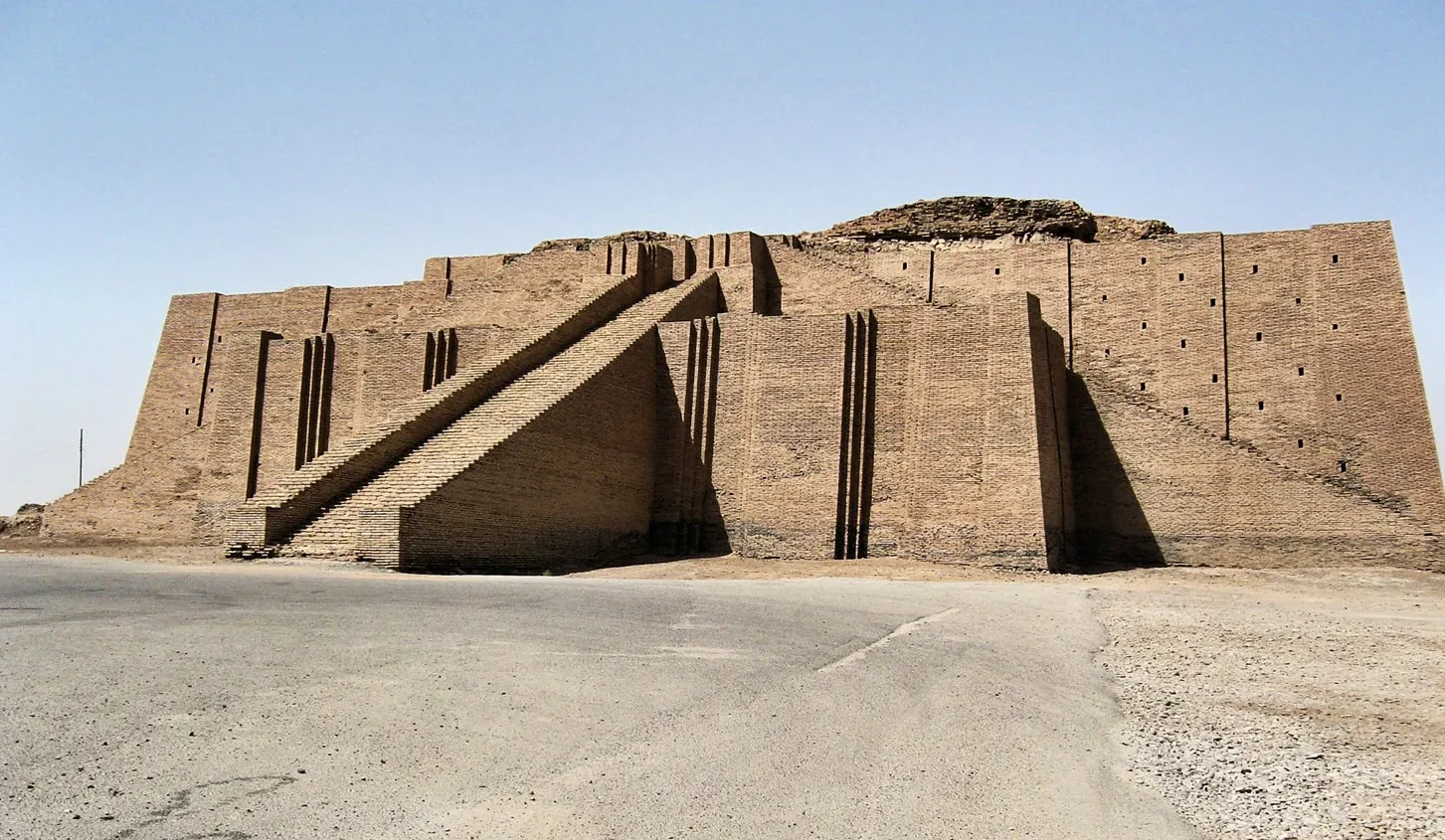









Mesopotamian Civilization: The Cradle of the World’s First Cities
The Mesopotamian Civilization is considered one of the earliest and most influential civilizations in human history. It developed around 3500 BCE in the region between the Tigris and Euphrates rivers, an area that is now part of modern-day Iraq and nearby regions. Because of its early advancements in city life, writing, and governance, Mesopotamia is often called the “Cradle of Civilization.”
One of the greatest contributions of Mesopotamia was the development of the first known writing system, called cuneiform. It was created by the Sumerians and was used for record-keeping, trade, laws, and communication. This innovation marked a major turning point in human history, as it allowed societies to document information for the first time.
Mesopotamian cities such as Ur, Uruk, and Babylon were among the earliest urban centers in the world. These cities were well organized with temples, marketplaces, and administrative buildings. Society was structured, with kings and priests holding significant power, supported by farmers, traders, and craftsmen.
Agriculture was the backbone of the Mesopotamian economy. The fertile land between the two rivers allowed people to grow crops like barley, wheat, and dates. They also developed advanced irrigation systems to control water supply, which helped them survive in an otherwise dry region.
The civilization is also known for its legal and cultural achievements. One of the most famous contributions is the Code of Hammurabi, one of the earliest written legal codes, which established rules and punishments to maintain order in society.
Mesopotamia also made progress in mathematics, astronomy, and architecture, influencing many later civilizations including the Greeks and Romans.
Over time, Mesopotamia declined due to invasions, environmental changes, and internal conflicts, but its legacy continues to shape the foundation of modern civilization.