






From trade war to red carpet: Trump and Xi rewrite the world’s most dangerous rivalry
For nearly a decade, Donald Trump built his political identity around one powerful message — China was America’s greatest economic enemy. From campaign rallies to the White House podium, Trump repeatedly accused Beijing of exploiting the United States through unfair trade, technology theft and economic manipulation.
During a fiery 2016 rally in Indiana, Trump declared that America could no longer allow China to “rape” the US economy, promising a new era of confrontation. That rhetoric only intensified during his return to power in 2025. Surrounded by outspoken China hawks including Marco Rubio, JD Vance and trade adviser Peter Navarro, Trump launched the most aggressive economic offensive against Beijing in modern American history.
Tariffs on Chinese imports surged from 10% in February to a staggering 145% by mid-April under what Trump dramatically branded “Liberation Day.” China answered with crushing retaliatory tariffs of its own and restrictions on rare earth exports critical to American industries. Markets shook, global supply chains trembled and fears of a prolonged economic cold war intensified across the world.
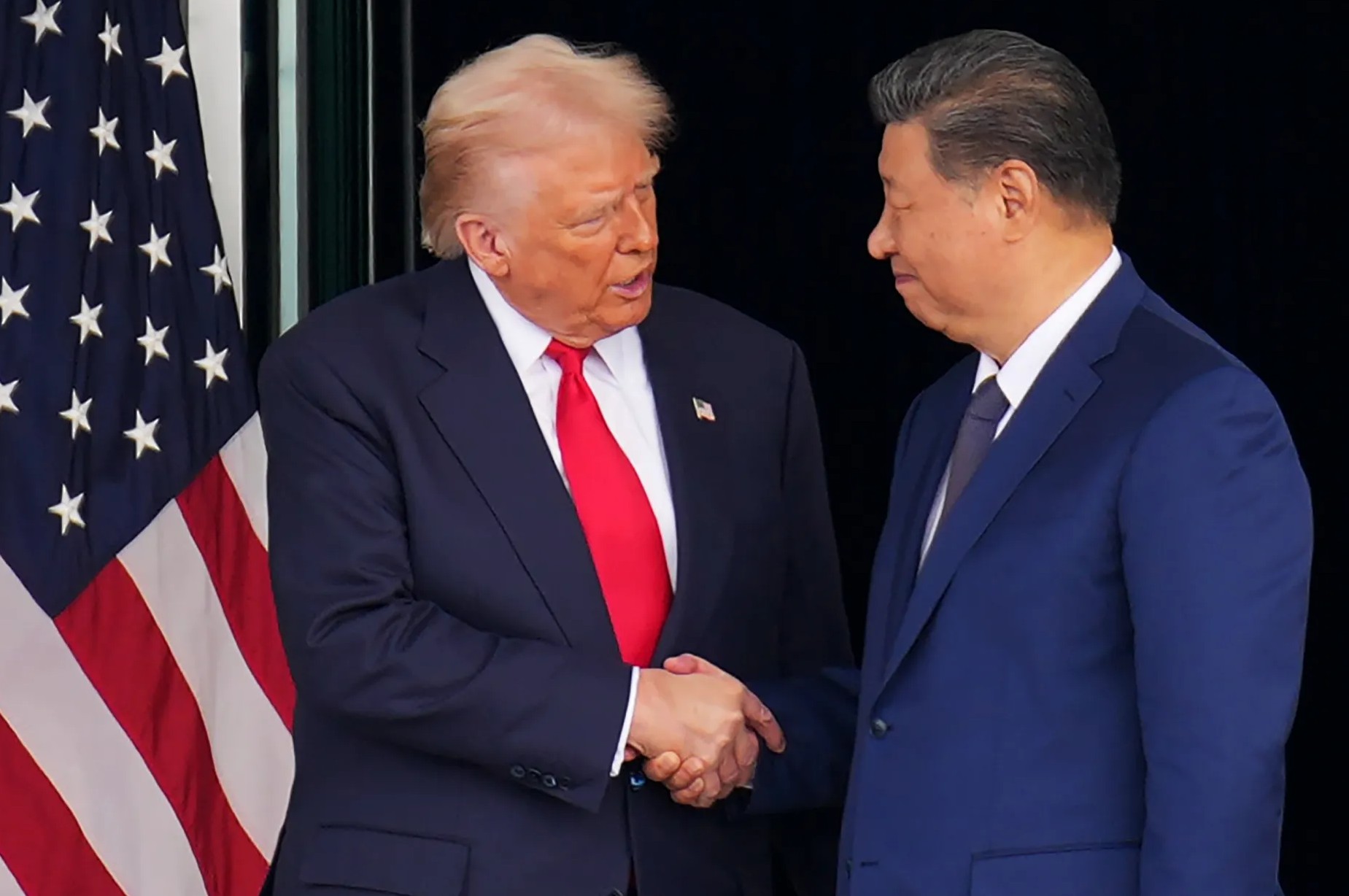
Yet in one of the most remarkable political reversals of Trump’s career, the man who once cast China as America’s chief adversary arrived in Beijing this week to a lavish state welcome. At the Great Hall of the People, Trump walked a red carpet lined with cheering children waving Chinese and American flags while a military band played the US national anthem.
Standing beside Xi Jinping, Trump struck a dramatically different tone from the combative language that defined years of tensions. “It’s an honour to be your friend,” he told Xi, adding that relations between the two superpowers would become “better than ever before.”
The stunning shift highlights the unpredictable nature of Trump’s diplomacy — a strategy built as much on spectacle and personal relationships as economic pressure. Whether the Beijing visit marks the beginning of genuine reconciliation or merely a temporary pause in an escalating rivalry remains uncertain. But one thing is clear: the relationship between Washington and Beijing has once again entered a new and unpredictable chapter.