







Ebola outbreak declared in eastern DR Congo as cases rise and cross-border spread raises concern
Health authorities in Africa have declared a new Ebola outbreak in the eastern part of the Democratic Republic of the Congo, after a sharp rise in suspected and confirmed cases in the conflict-affected Ituri province, raising fresh concerns over regional spread of the deadly virus.
According to the Africa Centres for Disease Control and Prevention, around 246 cases and 80 deaths have been reported so far, with infections concentrated mainly in the gold-mining towns of Mongwalu and Rwampara. Health officials warn that overcrowding, limited healthcare access and population movement in mining regions are contributing to the rapid spread of the disease.
The outbreak has already crossed borders, with Ugandan health authorities confirming an imported case linked to the DRC. Uganda’s Ministry of Health reported that a 59-year-old man tested positive for Ebola after his death, highlighting the risk of regional transmission in East Africa.
Ebola virus disease is a highly infectious and often fatal disease first identified in 1976 in the DRC. It is believed to have originated from animals, particularly bats, before spreading to humans through direct contact. The virus is transmitted through bodily fluids and can spread rapidly in communities where infection control measures are weak.
Early symptoms include fever, fatigue, muscle pain, headache and sore throat, followed by vomiting, diarrhoea, rashes and internal or external bleeding in severe cases. According to the World Health Organization, the average fatality rate of Ebola is around 50%, although it can vary depending on the outbreak and medical response.
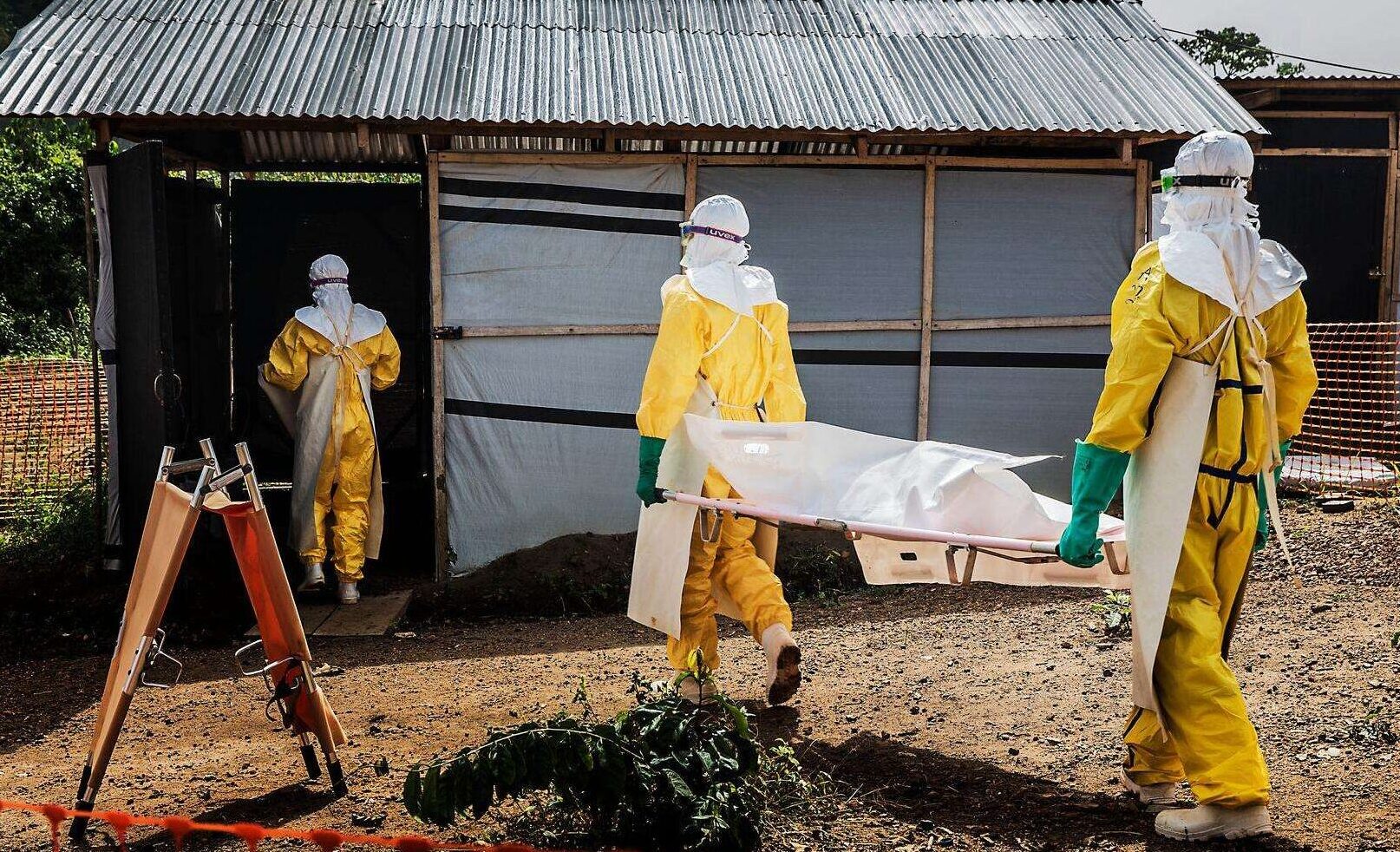
There is currently no universally approved cure for Ebola, but supportive medical care and experimental treatments have improved survival rates in recent outbreaks. Health agencies are now focusing on contact tracing, isolation of suspected cases, and vaccination campaigns to contain the spread.
The DRC has faced repeated Ebola outbreaks over the past decades, making it one of the most affected countries globally. Experts warn that ongoing instability in eastern regions could make containment efforts more difficult in the coming weeks.
Authorities are urging the public to follow safety guidelines and avoid contact with infected individuals, while international health organizations are closely monitoring the situation to prevent further regional escalation.