







Iran War Energy Shock Revives Russia–China Gas Pipeline Talks During Putin–Xi Meeting
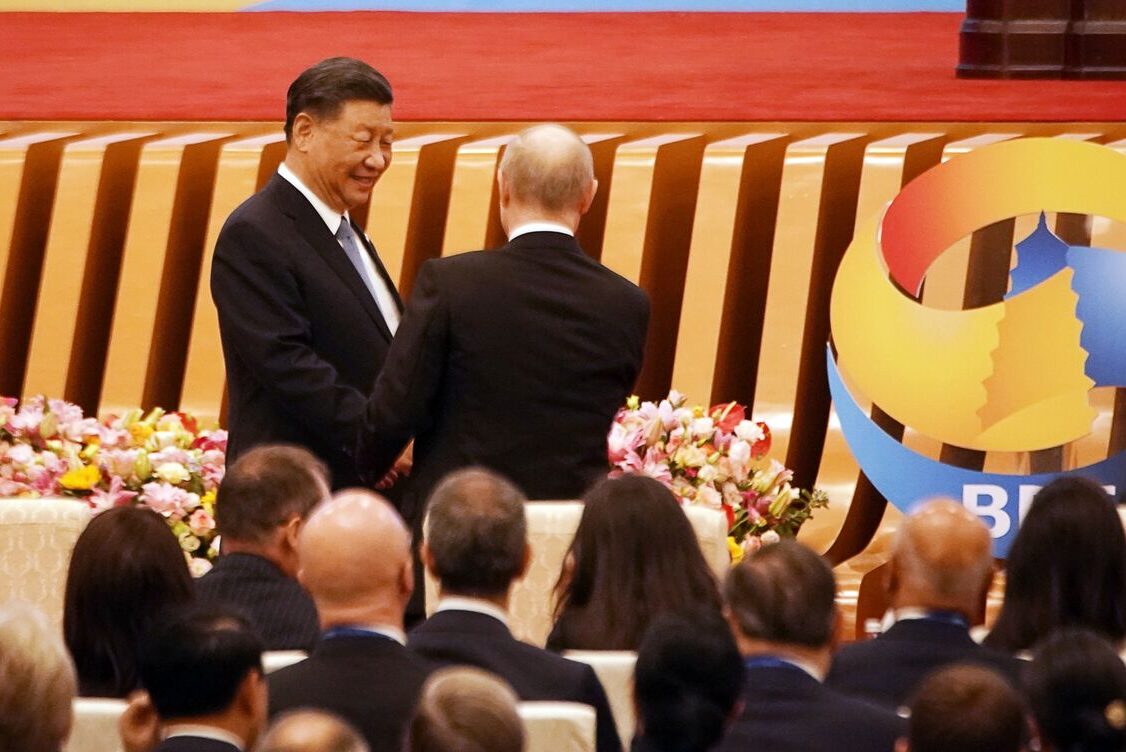
The meeting between Russian President Vladimir Putin and Chinese President Xi Jinping in Beijing has brought renewed momentum to long-stalled negotiations over a major Russia–China natural gas pipeline, as the ongoing conflict involving Iran continues to disrupt global energy markets.
Rising instability in the Middle East has heightened concerns over energy security, particularly for major importers such as China, which relies heavily on diversified supply routes to meet its growing demand. Disruptions linked to the Iran war have contributed to volatility in global oil and gas flows, intensifying discussions on alternative long-term energy infrastructure.
Against this backdrop, the proposed Power of Siberia 2 pipeline has re-emerged as a key strategic topic. The project, which would transport natural gas from Russia’s western Siberian fields to China via Mongolia, has been under consideration for years but has repeatedly stalled due to unresolved issues including pricing, supply volumes, and contract structure.
Russian officials are now expected to use the current energy uncertainty to strengthen the case for accelerating the pipeline agreement. Moscow has long viewed the project as a critical component of its pivot toward Asian energy markets, particularly as European demand has declined following sanctions and shifting geopolitical relations.
For China, the proposal presents both strategic opportunity and complex negotiations. While overland pipeline imports offer greater supply stability compared to maritime routes, Beijing continues to prioritize favorable pricing and long-term flexibility in any final agreement. Analysts suggest that China may leverage the current market volatility to negotiate more advantageous terms.
Energy experts note that the renewed attention on the pipeline reflects a broader structural shift in global energy geopolitics. Increasing regional conflicts, supply chain disruptions, and sanctions regimes are pushing major economies to reassess their energy security strategies and diversify supply routes away from traditional chokepoints.
However, despite the revived discussions, significant hurdles remain. Previous negotiations have failed to reach final agreement due to persistent disagreements over economic and strategic terms. Industry observers caution that while geopolitical conditions may support renewed dialogue, the project still requires substantial compromise from both sides before any formal deal can be finalized.
As talks continue during the high-level summit, the potential revival of the Russia–China pipeline underscores the growing intersection of geopolitics and energy security, where global conflicts increasingly shape long-term infrastructure decisions and international economic partnerships.