






Bangladesh Faces Deadliest Measles Outbreak in Decades as 512 Children Die Despite Vaccination Drive
Bangladesh is battling its worst measles outbreak in decades after at least 512 children died since March, overwhelming hospitals and exposing major gaps in the country’s healthcare and vaccination systems. The rapidly spreading disease has triggered a nationwide health emergency, with doctors warning that the number of infections continues to rise across both urban and rural communities.
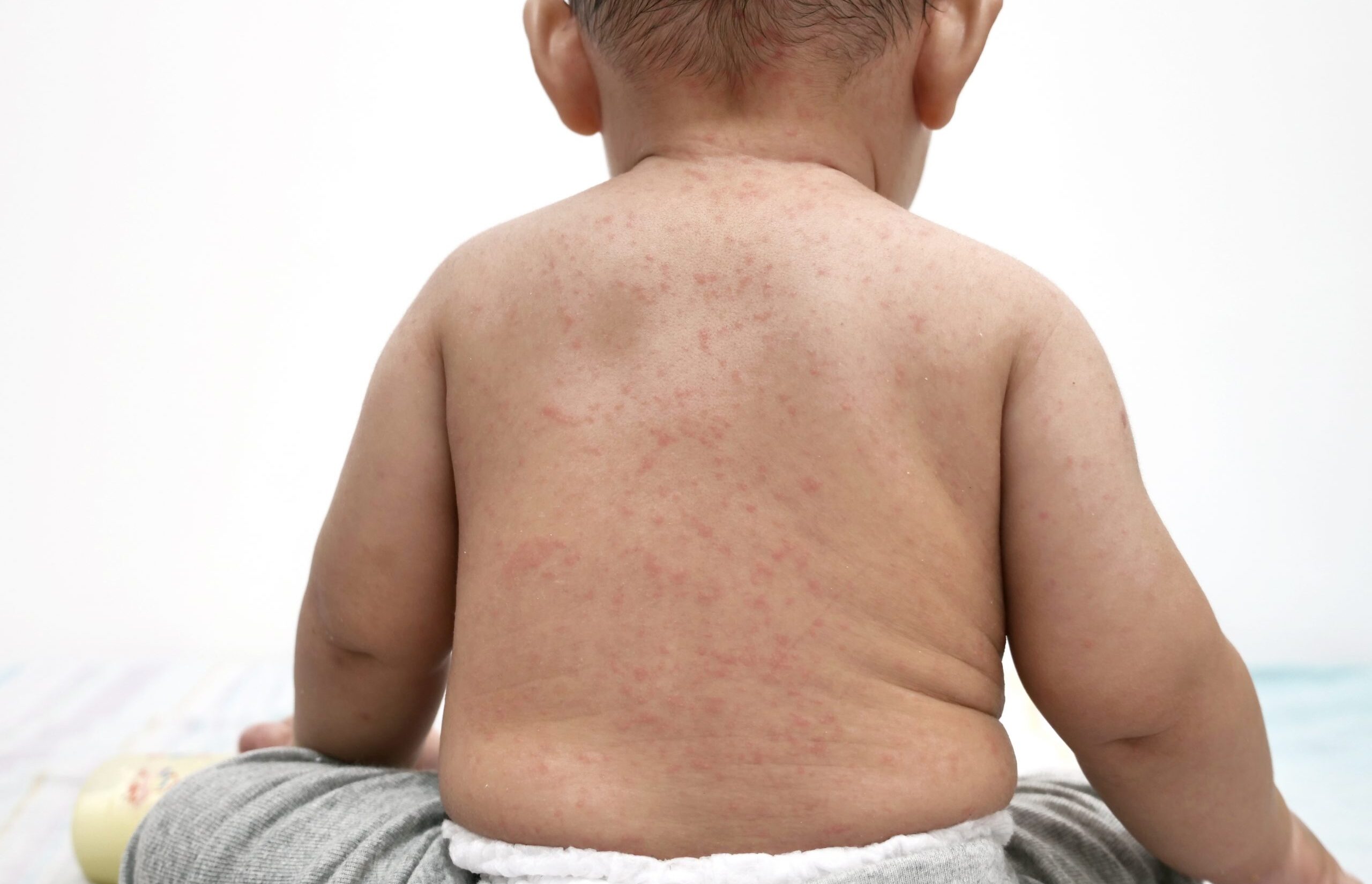
Hospitals in several districts have struggled to cope with the growing number of patients, as overcrowded pediatric wards fill with children suffering from high fever, severe rashes, pneumonia, and dehydration caused by the highly contagious virus. Medical workers say shortages of beds, medicine, and staff have placed enormous pressure on healthcare facilities already dealing with limited resources.
The Bangladeshi government launched a nationwide vaccination campaign in an effort to contain the outbreak, deploying health workers to schools, villages, and refugee camps to immunize millions of children. Despite the campaign, officials admit that low vaccination coverage in some regions, misinformation about vaccines, and difficulties reaching remote communities have allowed the disease to spread rapidly.
Health experts warn that malnutrition and poor living conditions have made many children more vulnerable to severe complications from measles. Refugee settlements and densely populated urban neighborhoods have been identified as major hotspots where the virus spreads quickly due to overcrowding and limited access to healthcare services.
Parents across the country have expressed fear and frustration as hospitals remain packed with sick children. Many families reported traveling long distances in search of treatment, only to find hospitals operating beyond capacity. Doctors say some children arrive too late to receive lifesaving care.
International health organizations have urged immediate action to strengthen vaccination coverage and improve emergency medical support. Aid agencies are also calling for increased public awareness campaigns to combat vaccine hesitancy and encourage families to seek early treatment for infected children.
Government officials pledged to intensify vaccination efforts and expand emergency healthcare services in affected areas. Authorities also promised investigations into gaps in immunization programs that may have contributed to the scale of the outbreak.
As Bangladesh confronts one of its worst public health crises in recent memory, the tragedy has raised urgent concerns about healthcare preparedness and the continuing threat posed by preventable diseases in vulnerable communities.