







Potential U.S.-Iran Peace Deal Sparks Optimism for Global Finance and Energy Markets
A potential breakthrough in negotiations between the United States and Iran is raising hopes for both regional stability and significant financial benefits, as officials from both sides move closer to signing a landmark agreement that could be finalized within days.
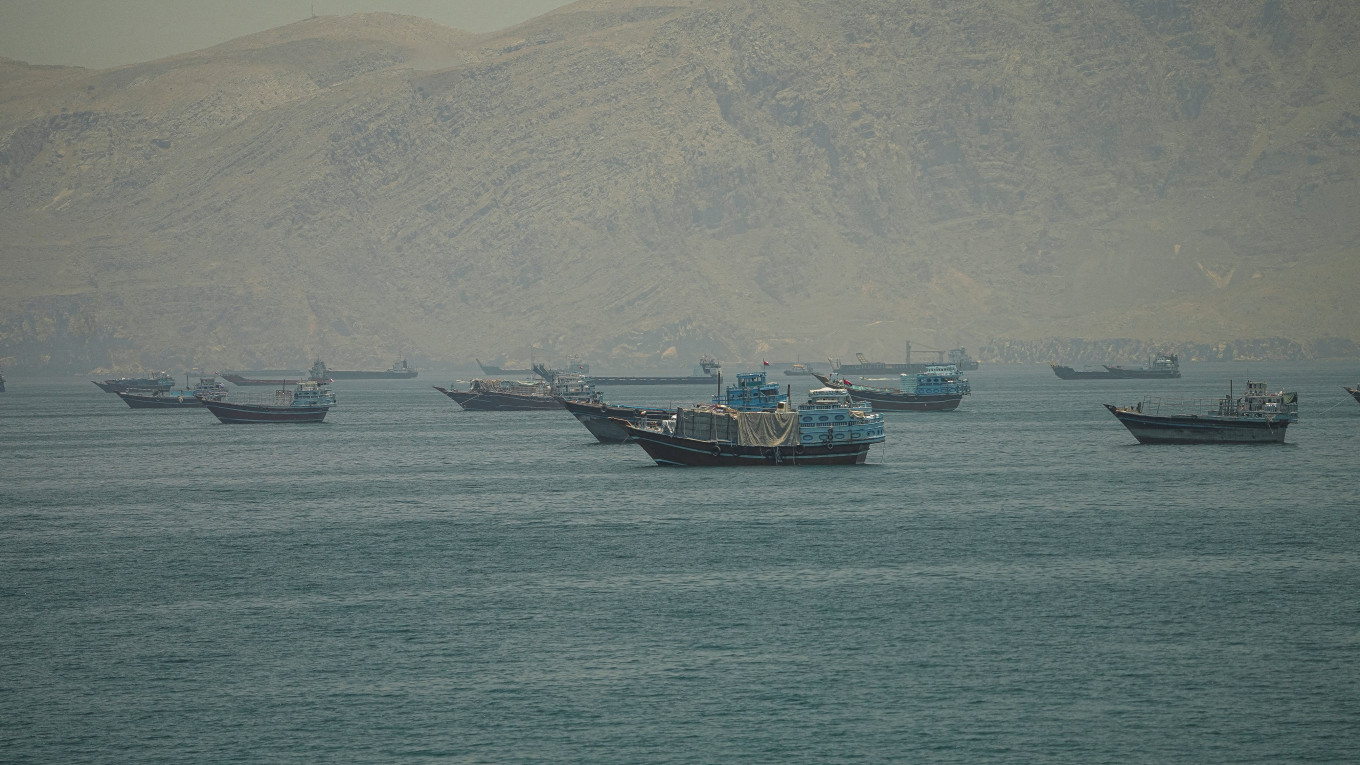
The proposed memorandum of understanding includes provisions to reopen the Strait of Hormuz, one of the world’s most important energy shipping routes, and outlines steps toward dismantling Iran’s nuclear program. The agreement is also expected to establish a framework for long-term peace and enhanced security across the Middle East.
While negotiators have expressed growing confidence in the talks, officials acknowledge that the deal has not yet been finalized. Political complexities within Iran and unresolved procedural issues remain potential obstacles. Nevertheless, both sides reportedly support the current version of the agreement and are working to complete the final stages of the process.
The financial implications of the deal could be substantial. Reopening the Strait of Hormuz would help secure a critical passage through which a significant share of global oil exports flows, potentially easing concerns in international energy markets. Investors and financial institutions are closely monitoring developments, as reduced geopolitical tensions could stabilize oil prices and improve confidence in global trade.
A key element of the agreement involves economic incentives for Iran. In exchange for compliance with nuclear restrictions and international inspections, Tehran could receive significant sanctions relief and access to previously frozen assets. Such measures would provide a major boost to Iran’s economy, increase foreign investment opportunities, and strengthen regional economic activity.
Financial analysts believe the agreement could have a positive impact on global markets by reducing uncertainty in one of the world’s most strategically important regions. Lower geopolitical risk often encourages investment, supports business confidence, and improves prospects for international commerce.
Regional allies, including Israel and Gulf nations, are expected to play an important role in the peace process. Officials involved in the negotiations have emphasized that the agreement is intended to promote stability while respecting the security interests of all parties involved.
Pakistan, which has acted as a mediator throughout the negotiations, has indicated that a final agreed text has been reached and that discussions are now focused on implementation and next steps.
If successfully signed, the agreement would represent not only a major diplomatic achievement but also a significant development for global finance, energy security, and economic growth, potentially opening a new era of cooperation and stability in the Middle East.