






US, Iran Confirm Peace Deal as Trump Says Strait of Hormuz to Reopen Friday
The United States and Iran have confirmed a landmark peace agreement aimed at ending weeks of heightened tensions and restoring stability across the Middle East, with US President Donald Trump announcing that the strategically crucial Strait of Hormuz will reopen to commercial shipping on Friday.
The breakthrough follows intensive diplomatic efforts involving regional and international mediators. Officials from both countries described the agreement as a framework for lasting peace, including commitments to de-escalation, maritime security cooperation, and the protection of key trade routes.
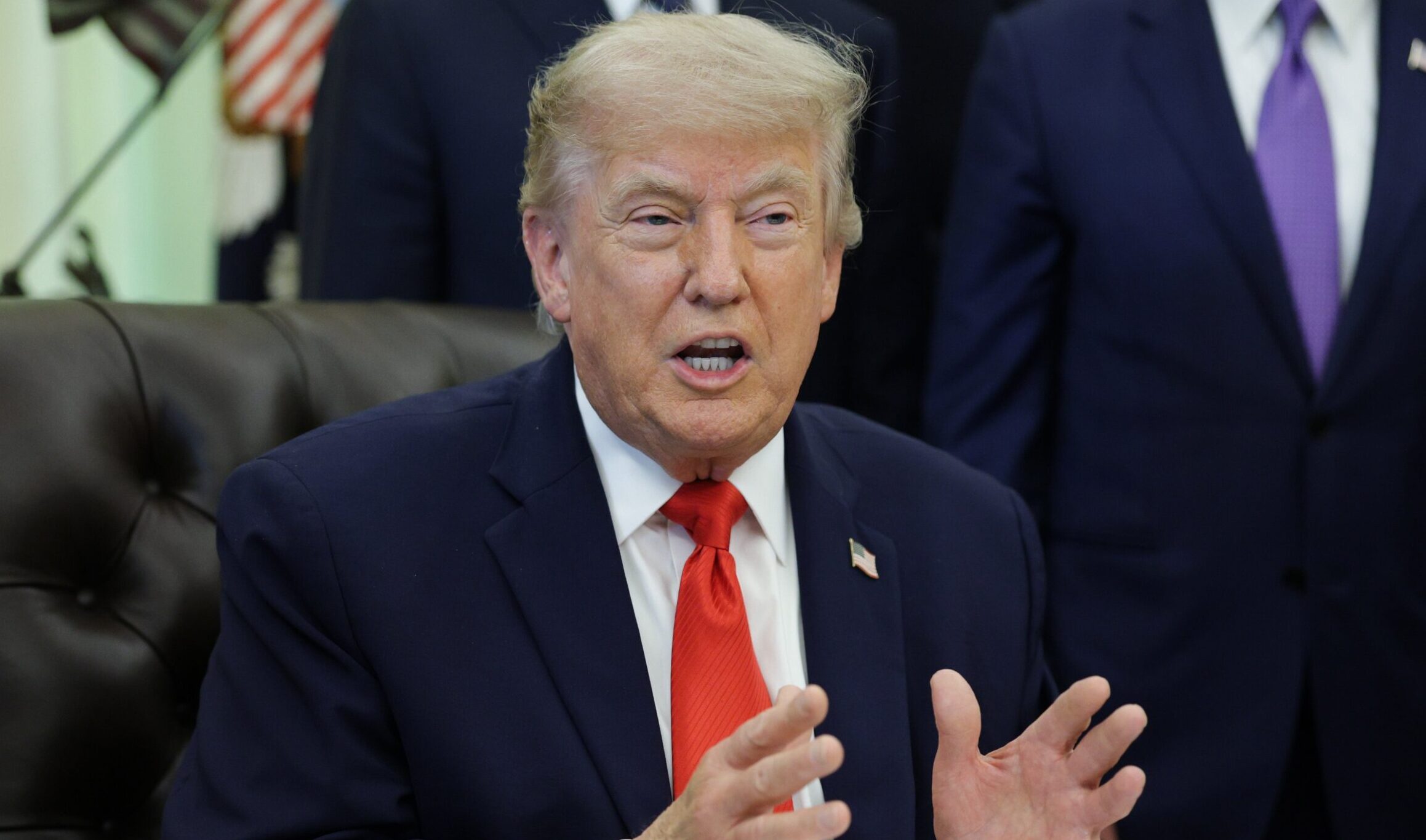
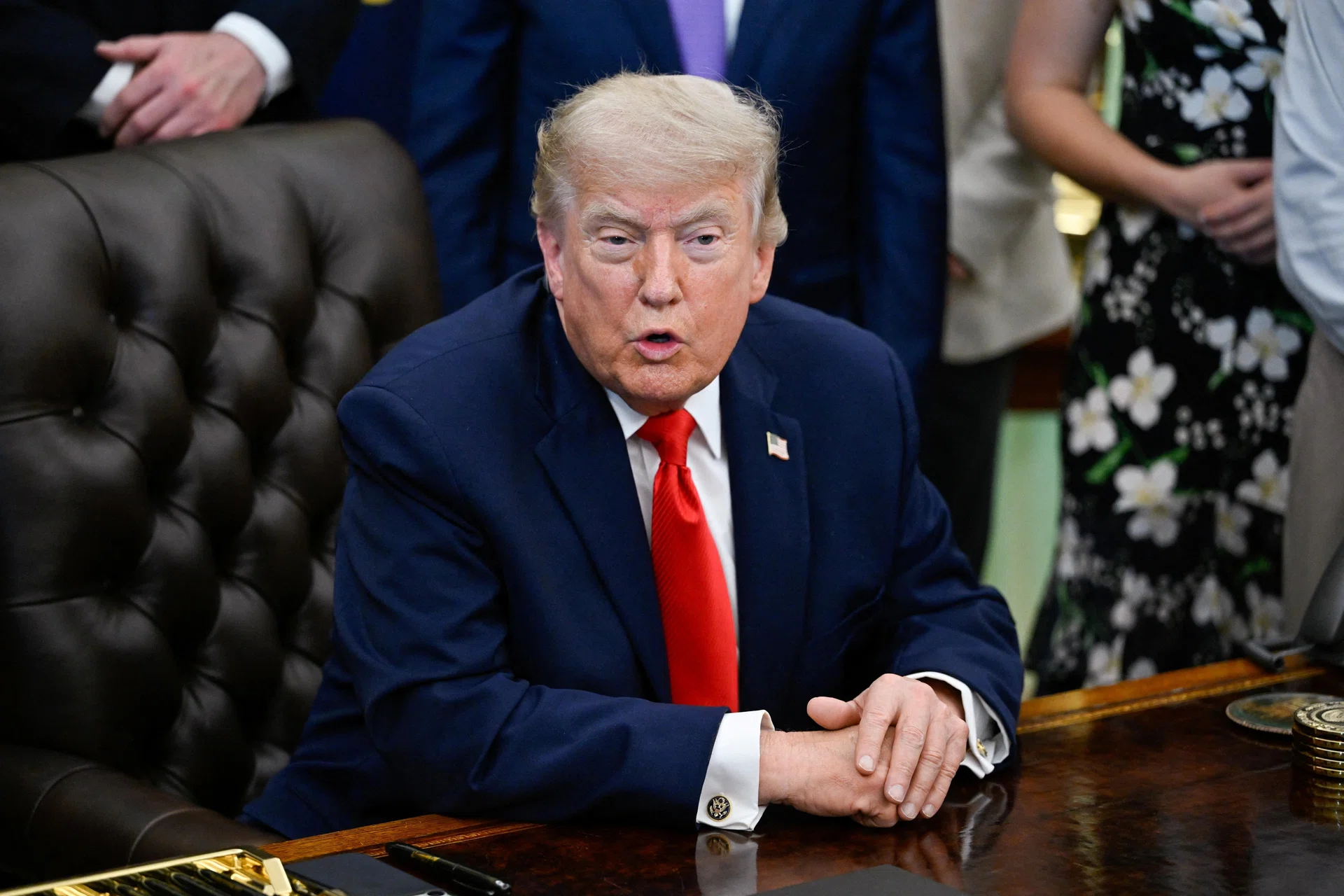
Speaking after the announcement, Trump hailed the accord as a major victory for diplomacy and regional stability. He said the reopening of the Strait of Hormuz would allow global shipping and energy markets to return to normal operations after a period of uncertainty.
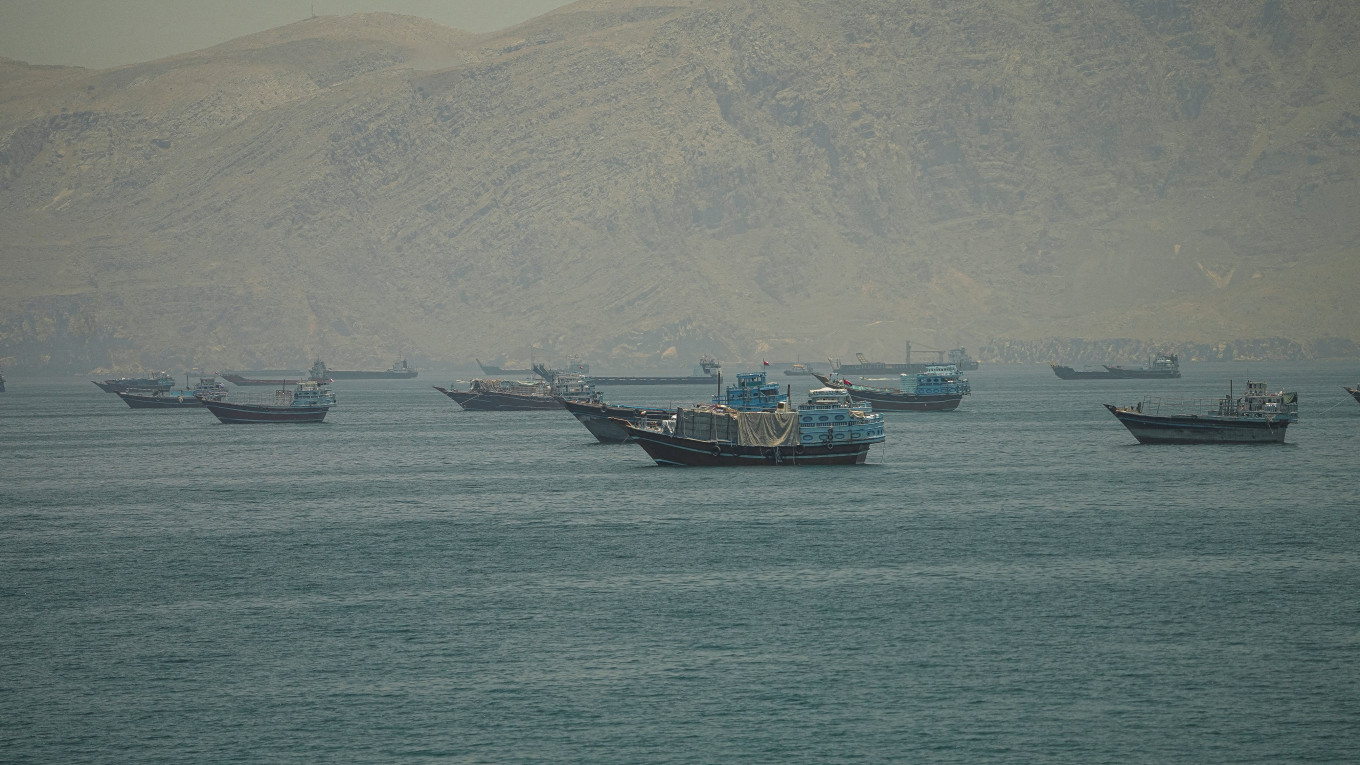
The Strait of Hormuz, a narrow waterway connecting the Persian Gulf to international waters, is one of the world’s most important energy transit routes. Any disruption to traffic through the strait has the potential to affect global oil supplies and international trade.
Governments around the world cautiously welcomed the development. Australia called on both Washington and Tehran to continue pursuing “a durable and lasting peace,” emphasizing the importance of sustained dialogue and adherence to the agreement’s terms.
Despite the optimism surrounding the announcement, reactions across the region have been mixed. In Lebanon, many residents expressed skepticism about whether the agreement would lead to lasting stability, citing previous ceasefires and diplomatic initiatives that ultimately failed to prevent renewed tensions.
Israel had not issued an official response in the hours following the announcement, leaving questions about how one of the United States’ closest regional allies will react to the deal and its broader implications for Middle East security.
Financial markets responded positively to the news, with investors betting that reduced geopolitical risks could ease pressure on global energy prices and shipping costs. Analysts noted that the successful reopening of the Strait of Hormuz would be a key early test of the agreement’s effectiveness.
While significant challenges remain, the accord marks one of the most significant diplomatic developments between Washington and Tehran in recent years. Negotiators from both sides are expected to continue discussions in the coming weeks to finalize implementation details and build on the momentum created by the agreement.
For now, attention is focused on Friday’s planned reopening of the Strait of Hormuz, a move many hope will signal the beginning of a more stable chapter for the region and the global economy.