





UK to Ban Under-16s from Major Social Media Platforms Under New “Australia-Plus” Plan
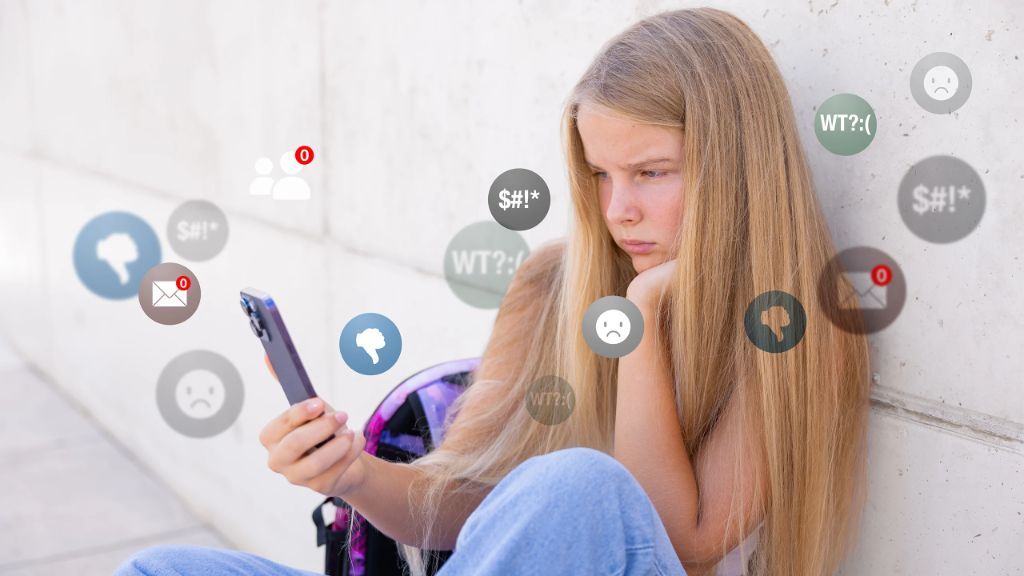
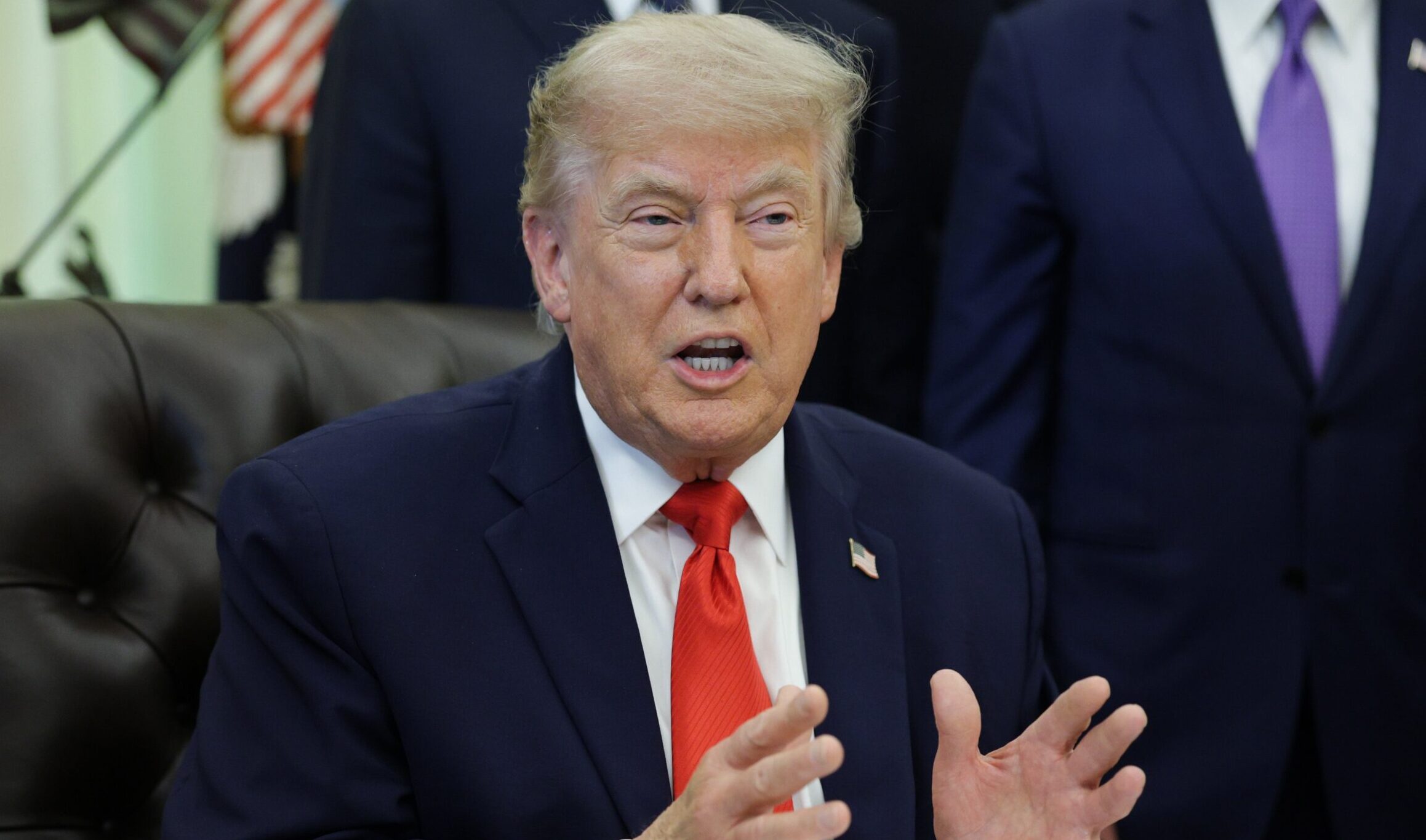
Prime Minister Sir Keir Starmer is expected to announce a sweeping ban preventing children under the age of 16 from accessing major social media platforms, in what the government is calling a tougher “Australia-plus” approach to online safety.
The proposed policy would block under-16s from using platforms including TikTok, Snapchat, Instagram, Facebook, X (formerly Twitter), Reddit, YouTube, Twitch, Threads and Kick. The move follows Australia’s landmark decision in December 2025 to introduce the world’s first outright social media ban for under-16s.
Under the UK plan, restrictions would also go beyond social media access. Children would be prevented from livestreaming on platforms deemed “safer” and from communicating with strangers through gaming apps. Ministers are also considering the introduction of digital curfews for children, although further details are expected to be released next month.
Speaking ahead of the announcement, Sir Keir said the government was taking a firm stand on online harms affecting young people. “This is a choice about whose side we’re on: families across the country, or a status quo that isn’t working,” he said. He added that the government would “call time on a system that’s failing our kids.”
Whitehall sources say the policy is designed to build on Australia’s framework but expand its scope significantly, reflecting growing concerns over children’s exposure to harmful content, addictive algorithms and online exploitation.
A government consultation found that a majority of respondents supported stronger age restrictions on social media use, particularly for younger teenagers. Officials argue that existing safety measures have not been sufficient to protect children in a rapidly evolving digital environment.
However, the proposals are expected to face opposition from digital rights groups and some child safety campaigners, who warn that strict bans could have unintended consequences. Critics argue that such measures may push children toward unregulated platforms or make enforcement difficult without extensive digital monitoring.
Technology companies are also likely to come under pressure to redesign age verification systems and strengthen parental controls if the policy is implemented.
The announcement marks one of the most significant interventions in children’s digital lives in the UK in recent years and is expected to spark a broader global debate over how governments regulate access to social media.
Full details of the legislation and enforcement mechanisms are expected to be published in the coming weeks, with the government signaling that protecting children online will be a central policy priority going forward.