








Bangladesh Prime Minister Seeks Investment and Jobs in First Foreign Visit to Malaysia and China
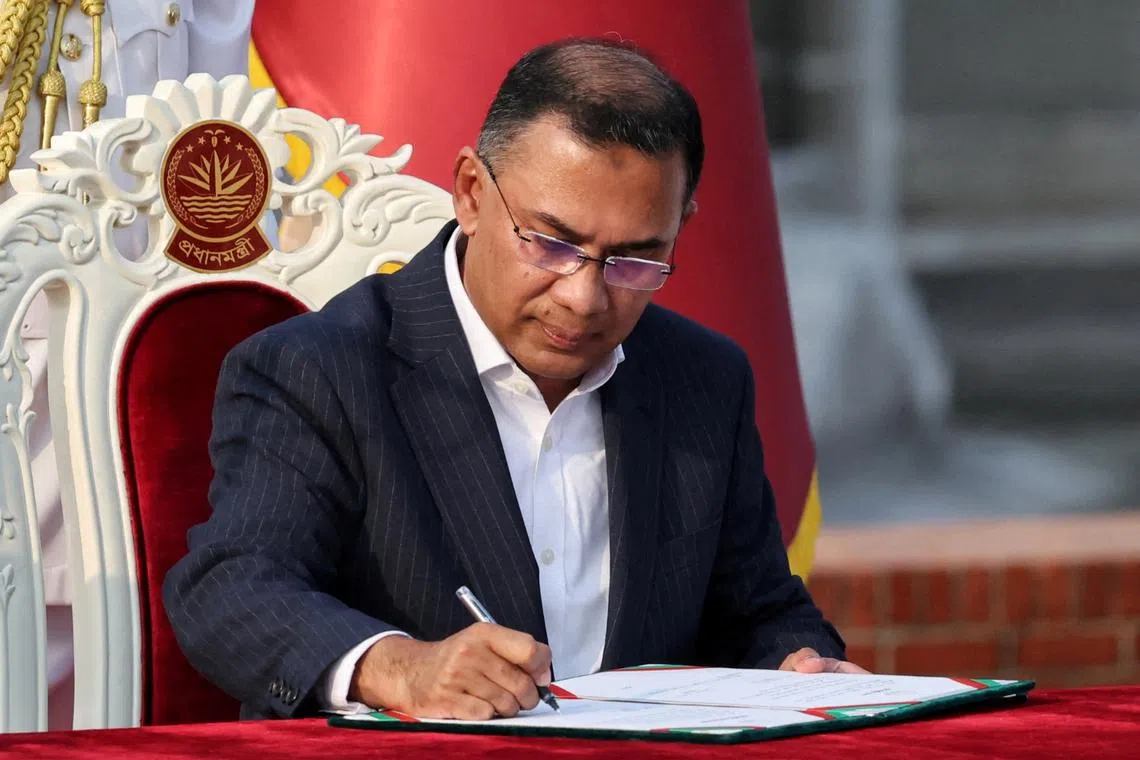
Bangladesh’s Prime Minister Tarique Rahman is set to begin his first overseas diplomatic visit since taking office, traveling to Malaysia and China in a move aimed at strengthening economic ties, attracting foreign investment, and expanding overseas employment opportunities for Bangladeshi workers. The trip marks an important early step in defining the country’s foreign policy direction under the new leadership.
The multi-nation visit is expected to focus heavily on economic cooperation, with Bangladesh seeking to secure new investment commitments in infrastructure, energy, manufacturing, and technology sectors. Officials have emphasized that boosting foreign direct investment is a key priority as the country looks to accelerate growth, create jobs, and stabilize its economic outlook amid global uncertainty.
Malaysia is expected to be a central stop in the visit, given its long-standing role as a major destination for Bangladeshi migrant workers. Discussions are likely to include expanding legal employment pathways, improving worker protections, and increasing recruitment opportunities in sectors such as construction, services, and manufacturing. Overseas employment remains a critical source of remittances for Bangladesh’s economy, making labor cooperation a top agenda item.
China, meanwhile, is expected to play a significant role in discussions on large-scale investment projects and trade partnerships. Bangladesh has increasingly relied on Chinese financing and expertise for infrastructure development, including energy projects, transportation networks, and industrial zones. The visit is likely to explore further collaboration in these areas, as well as potential new initiatives aligned with Bangladesh’s long-term development goals.
The Prime Minister’s trip also carries diplomatic significance, as it signals Bangladesh’s intention to balance relationships with major regional partners while prioritizing economic diplomacy. By engaging with both Southeast and East Asian powers, the government aims to diversify investment sources and strengthen its position in the global economic landscape.
Analysts view the visit as an opportunity for Bangladesh to reinforce its image as an emerging investment destination, particularly as the country seeks to expand its export-oriented industries and improve employment prospects for its growing workforce. Successful agreements during the trip could have a meaningful impact on job creation and economic stability in the coming years.
As the visit unfolds, attention will be focused on any agreements or memoranda of understanding signed with Malaysia and China, particularly in sectors that directly affect employment and infrastructure development. The outcomes are expected to shape Bangladesh’s economic strategy and foreign relations trajectory in the early phase of the new administration.