


Trump’s Claim That UK Prime Minister “Will Resign” Sparks Political Shock and Pushback in Britain
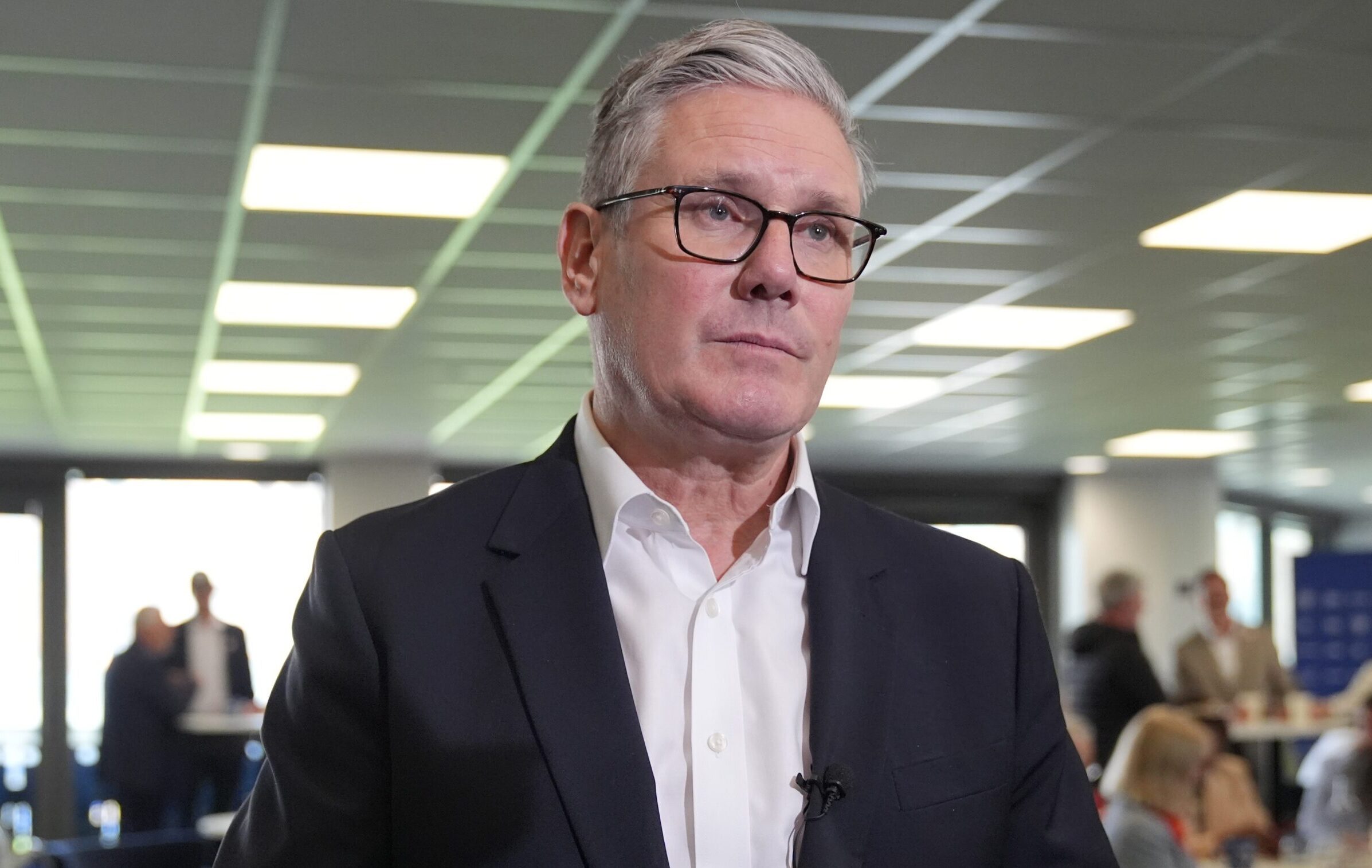
A social media post by US President Donald Trump asserting that British Prime Minister Keir Starmer “will resign” has triggered a wave of political reaction in the United Kingdom, with officials and commentators describing the intervention as unusual and destabilising amid already intense speculation about Starmer’s leadership.
Doubts about Starmer’s political future have circulated for weeks, driven by internal Labour Party tensions, mixed polling performance, and growing debate over potential challengers within the party. However, Trump’s public declaration introduced a new international dimension to the discussion, amplifying scrutiny of the prime minister’s position and drawing immediate attention across British media and political circles.
Downing Street has not officially responded to the US president’s remarks, but senior government figures have privately dismissed the claim as speculation with no basis in fact. Ministers have stressed that Starmer remains focused on domestic policy priorities, including economic stability, public services, and ongoing international commitments.
Opposition politicians, meanwhile, seized on the episode as evidence of political uncertainty at the highest levels of government. Some suggested that foreign commentary on internal leadership questions risked inflaming speculation at a sensitive time, while others argued it reflected broader global interest in Britain’s political direction.
Political analysts in London noted that while speculation about leadership changes is not uncommon in Westminster politics, direct intervention or commentary from foreign leaders—particularly sitting US presidents—is highly unusual. One analyst described the situation as “an extraordinary overlap between domestic political fragility and international political theatre.”
The remarks come at a time when Starmer is facing mounting pressure within parts of his party over policy direction and electoral strategy. Although he retains the formal support of much of the Labour leadership, internal debates have intensified over how best to respond to economic challenges and shifting voter sentiment.
Despite the controversy, there is currently no formal leadership challenge underway, and Starmer continues to operate as prime minister with full cabinet backing. Party officials have reiterated that leadership speculation is “not grounded in current political reality,” while acknowledging the pressures that naturally accompany governing during a difficult economic period.
Trump’s post has nonetheless added fuel to an already active political conversation, raising questions about the influence of international figures on domestic political narratives in the age of social media. For now, attention in Westminster remains focused on whether internal tensions within Labour will ease or continue to build in the weeks ahead.