




South Korea’s Former Justice Minister Sentenced to 25 Years Over Failed Martial Law Attempt in Landmark Political Case
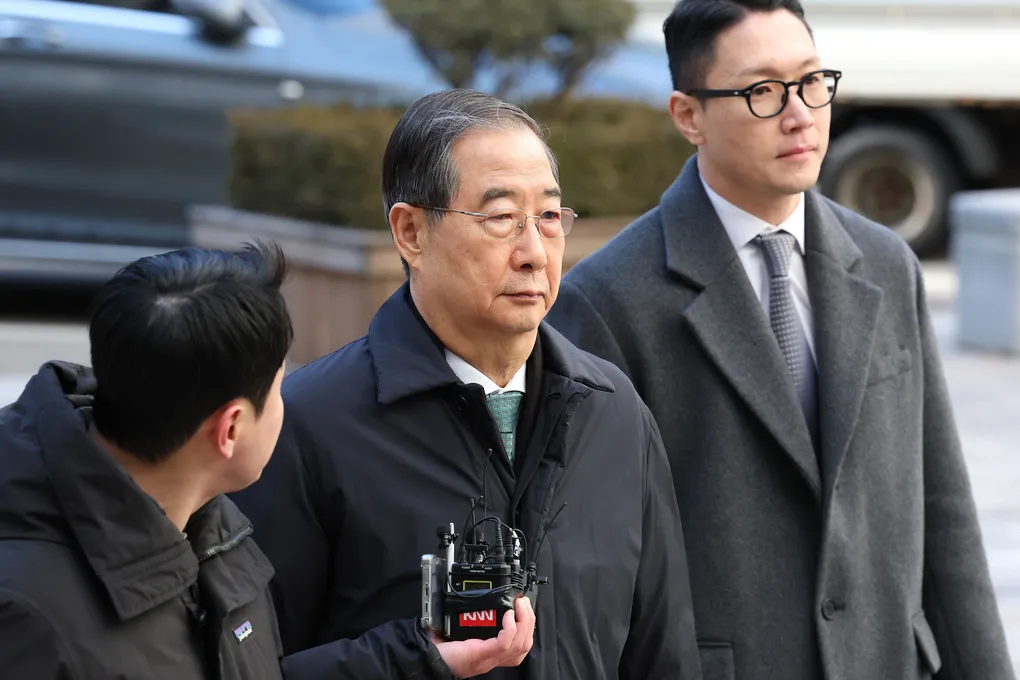
South Korea has been shaken by another major political verdict after former Justice Minister Park Sung-jae was sentenced to 25 years in prison for his involvement in a failed attempt to impose martial law, according to Yonhap News Agency. The ruling marks one of the most severe sentences handed down in connection with the controversial political crisis linked to former President Yoon Suk Yeol.
The court found Park guilty of participating in the December 2024 martial law declaration, a move widely condemned as an unconstitutional attempt to consolidate executive power during a period of political tension. The declaration was short-lived, as South Korea’s parliament swiftly intervened and forced its withdrawal within hours, preventing what officials described as a potential breakdown of democratic order.
Park’s sentencing comes amid ongoing legal and political fallout from the failed move, which has continued to dominate South Korea’s domestic agenda. Former President Yoon Suk Yeol is already serving a life sentence after being convicted of masterminding the declaration, deepening the crisis surrounding the former administration and its senior officials.
The court’s decision reflects the severity with which South Korean authorities have treated the attempted imposition of martial law, viewing it as a direct challenge to constitutional governance. Legal experts say the 25-year sentence underscores the judiciary’s determination to hold senior political figures accountable for actions that threatened democratic institutions.
Public reaction in South Korea has been sharply divided. While many citizens and civic groups have welcomed the ruling as a strong reaffirmation of democratic principles, others have raised concerns about the long-term political implications and the extent of punishment handed down to former officials.
The case has also reignited debate about civil-military relations in South Korea and the safeguards in place to prevent the misuse of emergency powers. Analysts say the crisis has exposed vulnerabilities in political oversight mechanisms, prompting calls for stronger institutional checks to prevent similar incidents in the future.
With both the former president and a senior cabinet member now convicted and imprisoned, South Korea continues to grapple with the aftermath of one of the most serious constitutional crises in its recent history. The ruling against Park is expected to further shape political discourse and judicial scrutiny in the months ahead as the country works to restore stability and public trust in its democratic institutions.