








Venezuela Earthquake Aftermath Raises Fears of Worsening Health Crisis Amid Overcrowded Shelters
Medical experts and aid workers are warning of a growing public health emergency in Venezuela following the country’s devastating twin earthquakes, as overcrowded shelters, damaged infrastructure, and a lack of clean water heighten fears of disease outbreaks among displaced survivors.
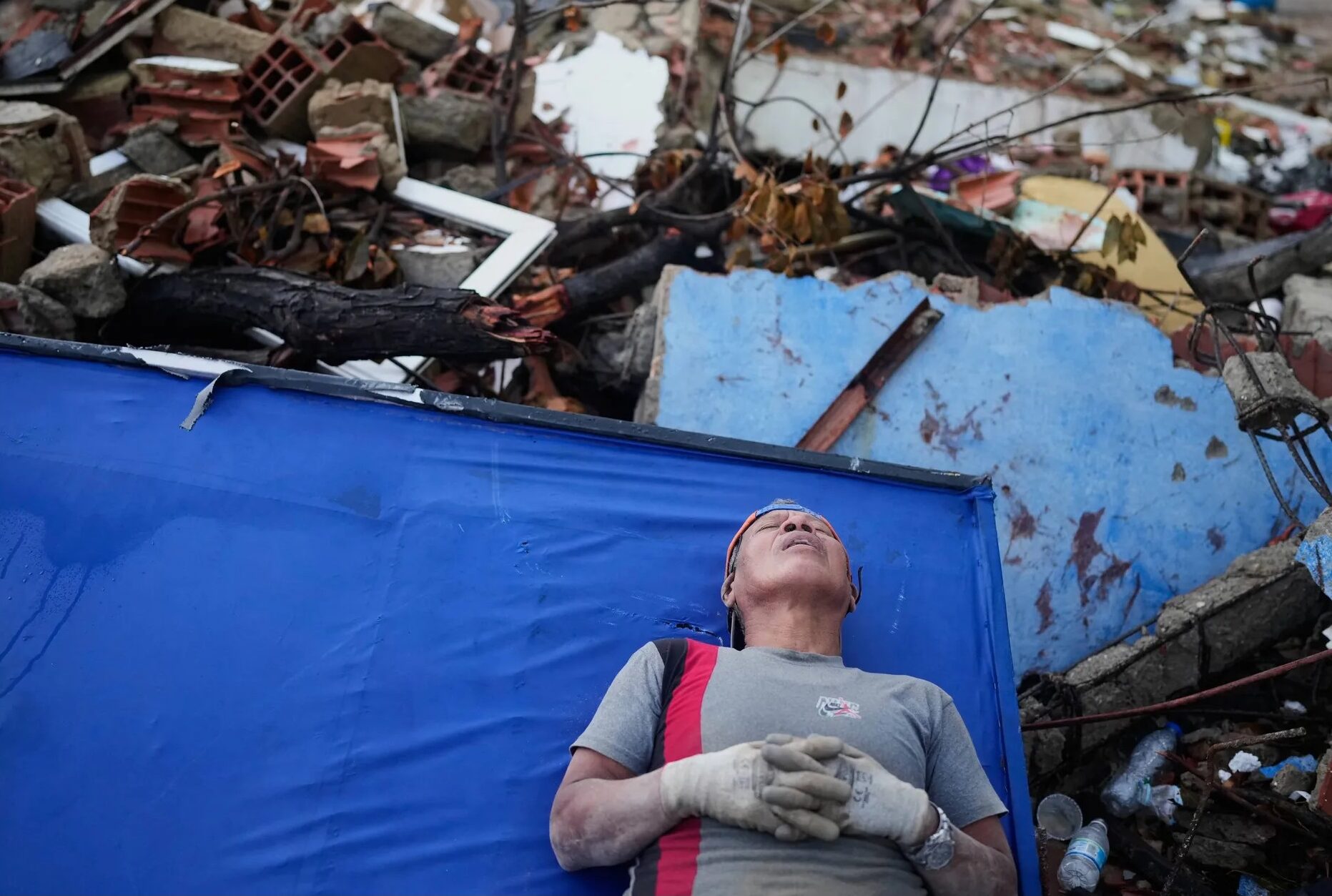
The earthquakes, which struck on June 24 and were followed by a powerful 7.5-magnitude aftershock, have killed at least 2,295 people and injured more than 11,000, according to officials. More than 70,000 people are also reported missing, while thousands of survivors are now living in temporary shelters or sleeping outdoors in difficult conditions.
In the hardest-hit regions, relief centers are struggling to cope with the scale of displacement. Many facilities are overcrowded, and access to safe drinking water and sanitation remains severely limited. Aid workers say these conditions are creating a fertile environment for infectious diseases to spread.
Doctors in Caracas have warned that patients exposed to prolonged displacement face an increasing risk of infection on top of untreated injuries from the disaster itself. Eugenio Cova, head of the trauma unit at Hospital Jose Gregorio Hernandez, said medical teams are now preparing for a second wave of health complications linked to unsanitary living conditions.
“The issue we foresee just around the corner is the infections that patients who have been exposed to the disaster for the longest time might bring,” Cova said, adding that trauma cases will continue while infections are likely to rise.
Humanitarian workers on the ground report growing cases of diarrhoeal illness and other waterborne diseases in shelters, where sanitation facilities are insufficient. Aid agencies have urged authorities to urgently improve access to portable toilets, clean water, and better shelter organization to reduce overcrowding and limit the spread of disease.
Reporting from La Guaira, journalists described families struggling in makeshift camps where basic hygiene facilities are scarce. Relief workers say the combination of damaged infrastructure and mass displacement is making it increasingly difficult to prevent a wider outbreak.
With rescue and recovery operations still underway, health officials warn that the full impact of the disaster may yet deepen, as vulnerable populations continue to face harsh and unsanitary conditions in the aftermath of one of the region’s deadliest earthquakes in recent years.