







UK Mayoral Devolution Plan Could Hand Leaders Sweeping Control Over Health, Education and Public Services
Mayors across England could be given unprecedented control over major public services, including social care, childcare, education, skills and parts of the health system, under proposals outlined in a policy paper linked to Labour’s devolution planning circles.
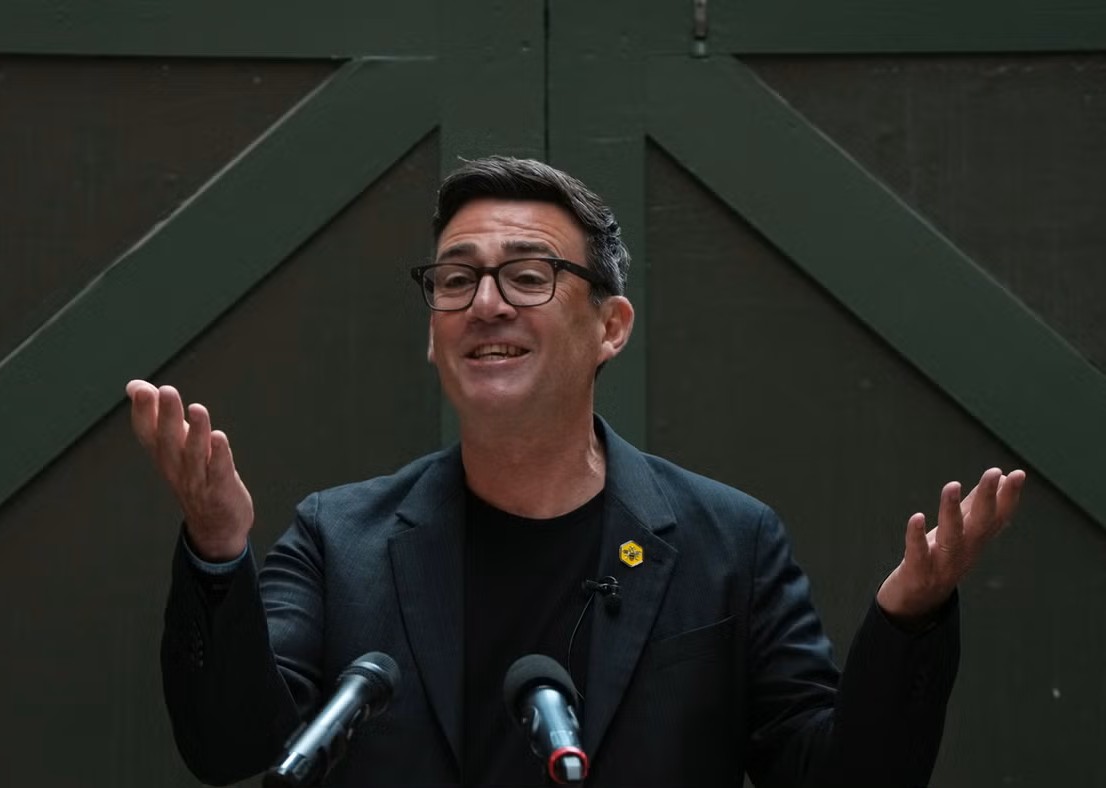
The paper, written by JP Spencer, head of devolution policy at thinktank ThinkLabour, argues that local mayors should take charge of large sections of public service delivery as part of a wider restructuring of the state away from centralised Whitehall control. The proposals are being discussed as part of emerging policy thinking associated with Andy Burnham’s broader devolution agenda as he seeks to position himself as a potential future prime minister.
Spencer’s paper suggests that mayors could appoint dedicated health and education commissioners to oversee services such as schools, GP provision and childcare. These commissioners would operate in a similar way to police and crime commissioners, but with a wider remit covering core social infrastructure.
Under the proposals, mayors would also gain direct responsibility for sixth-form colleges and the national skills agenda, potentially managing more than £4bn in funding from the growth and skills levy. This shift would represent a major redistribution of power and resources from central government to regional authorities.
The paper further recommends that health commissioners appointed by mayors would have oversight of public health and primary care services, while local leaders would also play a stronger role in policing structures. It supports reducing the number of police forces in England and Wales, with alignment to mayoral boundaries to improve accountability and coordination.
The proposals come amid ongoing debate about regional inequality in the UK, with critics of the current system arguing that excessive centralisation has left many northern and regional areas economically disadvantaged compared with London and the South East. Spencer described existing “national command and control systems” as insufficient for addressing complex modern challenges, calling instead for a “radical reshaping of the state” built around local democratic authority supported by a central government that enables rather than directs.
The ideas have previously been examined within government, including by housing and local government secretary Steve Reed, although ministers ultimately chose not to extend reforms beyond the current devolution framework, which allows mayors to request additional powers on a case-by-case basis.
Supporters of greater devolution argue that local leadership can make public services more responsive and better tailored to community needs. However, critics caution that expanding mayoral authority over sensitive areas such as health and education could risk uneven service standards and create complex layers of accountability.
The debate is expected to intensify as discussions continue over the future shape of governance in England and the balance of power between Westminster and regional authorities.