
America is moving towards another high-stakes political battle as the 2026 midterm elections approach, with President Donald Trump and the Republican Party facing growing pressure over the economy, the cost of living and the direction of the country.
Although Trump is not on the ballot, his presidency is increasingly becoming a central issue in the campaign. Republicans are attempting to defend their control of Congress while Democrats are looking to turn voter dissatisfaction with economic conditions into gains in the House and Senate.
The political environment is being shaped by concerns over prices and household finances. Inflation and the cost of living remain important issues for voters, creating a difficult political challenge for Republicans as they attempt to present the administration's economic policies as a success.
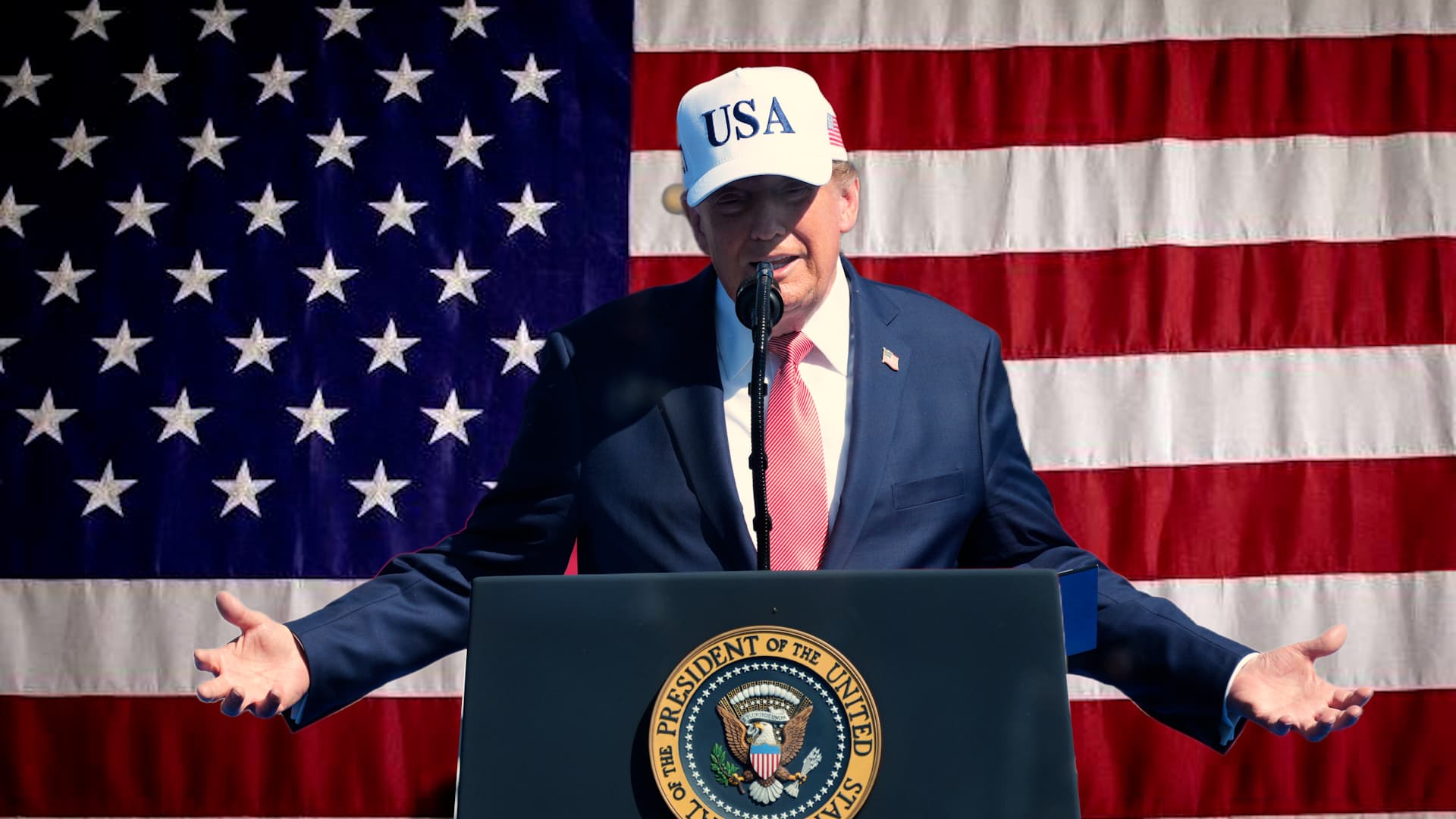
At a Republican gathering in Dallas this week, Trump sought to shift the political focus towards the Democrats rather than the economy, urging voters to judge the opposition while promoting his administration's agenda.
The strategy reflects a broader reality facing the Republican Party. Trump remains one of the most influential figures in American politics, but his popularity and political impact are increasingly being debated inside the party as candidates prepare for competitive races.
Some Republicans are concerned that Trump's presence on the campaign trail could create difficulties for candidates fighting for seats in closely contested states and districts. Others continue to view his political base as essential to Republican turnout and believe that his ability to energise voters remains one of the party's greatest advantages.
For Democrats, the elections provide an opportunity to challenge Republican control of Congress by focusing on economic pressure, government policy and concerns about the direction of the administration.
The campaign is also unfolding amid intense arguments over immigration, voting rules and the role of government. Trump's efforts to restrict aspects of mail-in voting have already faced legal challenges, adding another major political and constitutional dispute ahead of the elections.
Election security and voter privacy are also attracting attention. In Georgia, concerns have been raised about whether the design of voting systems could potentially allow individual ballots to be linked to voters, although the reported vulnerability does not affect vote counts.
The political battle is therefore likely to extend well beyond the traditional Republican-versus-Democrat divide. Questions about the economy, immigration, voting, government spending, national security and the future of American institutions are all expected to influence voters.
With the midterms approaching, both parties face a difficult task. Republicans must persuade voters that the administration's policies are improving their lives, while Democrats must convince voters that they offer a credible alternative.
The outcome could determine the balance of power in Washington and shape the final years of Trump's presidency. For voters, the election will provide an opportunity to judge not only individual candidates but also the broader political direction of the United States.
America's next political battle is already underway, and as November approaches, the question will become increasingly clear: will voters reward Trump's Republican agenda, or use the midterms to send Washington a different message?