
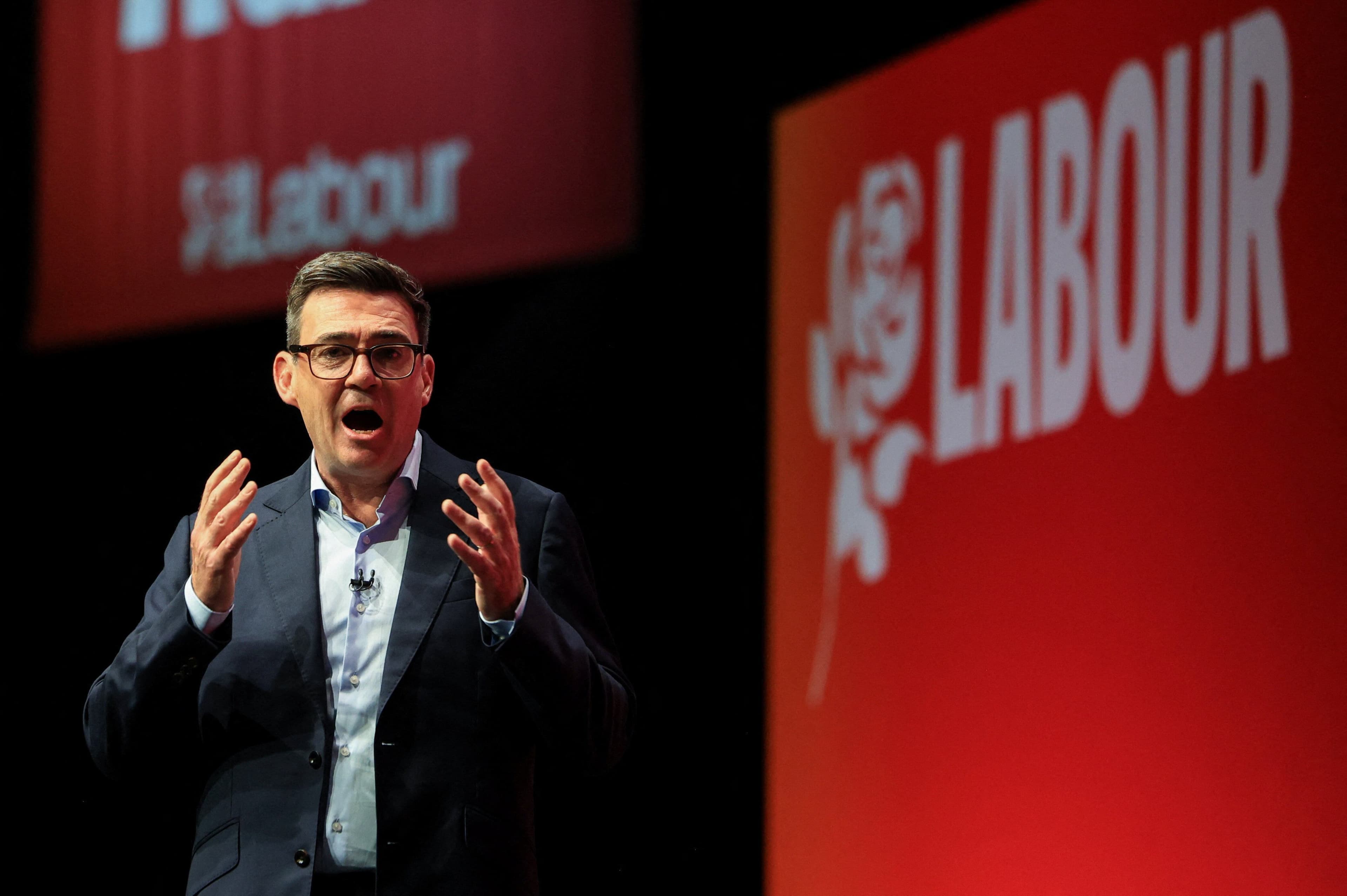
British Prime Minister Andy Burnham is facing one of the biggest political tests of his leadership after reopening the debate over Britain’s long-term relationship with the European Union, including the possibility of the country eventually rejoining the bloc.
Burnham used his Labour Party conference speech to argue that Brexit had done “more harm than good” and said Britain could no longer assume that its current relationship with Europe was the best option. He has promised to examine a range of possibilities, from maintaining the existing arrangement to closer cooperation, a customs union, single-market membership or ultimately returning to the EU.
The intervention represents a major change in tone from previous Labour leadership and has immediately placed Brexit back at the centre of British politics. Burnham has not called for an immediate second referendum, but his willingness to discuss EU membership has broken a political taboo that had dominated Westminster since the 2016 referendum.
The issue also presents a difficult calculation for Burnham. Recent polling suggests support for closer European ties has grown significantly, with a new poll published on October 3 finding that 49% of voters would support Britain rejoining the EU, while 28.5% opposed it. The same research suggested that Labour could potentially benefit electorally from taking a stronger pro-European position.
But the political risks are substantial. Several senior Labour ministers represent constituencies that voted to leave the EU, creating divisions within Burnham’s government over how far the prime minister should go. Critics also warn that reopening Brexit could give Reform UK and its leader Nigel Farage a powerful political opportunity.
Burnham’s strategy is therefore not simply about Europe. It is also about whether Labour can convince voters that closer ties with the EU would improve economic growth, trade and living standards without reopening the bitter divisions of the Brexit era.
Brussels has welcomed the change in tone but remains cautious. European officials have made clear that any future British return to the bloc would involve difficult negotiations and adherence to core EU principles, including free movement, regulatory alignment and the role of European institutions.
Burnham is expected to develop his proposals ahead of a UK-EU summit scheduled for November. Until then, the prime minister faces a delicate balancing act: responding to growing public support for closer European ties while maintaining political unity at home.
For Burnham, the Brexit question could become a defining test of his leadership — and one that could shape British politics well beyond his current government.