
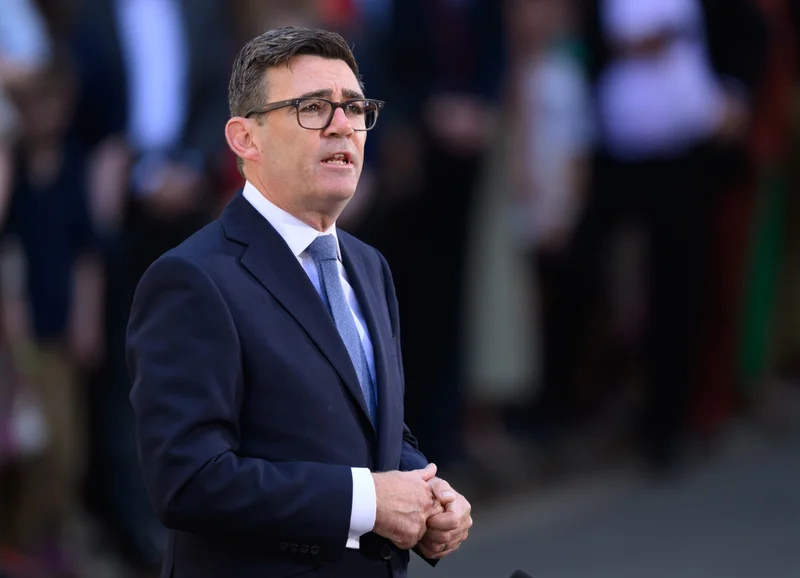
Britain’s economic future is set to dominate Westminster on Wednesday as Prime Minister Andy Burnham faces parliamentary scrutiny ahead of Chancellor John Healey’s Budget statement, with rising energy costs, mounting borrowing pressures and demands for household support placing the government under renewed pressure.
The Prime Minister is scheduled to face questions in the House of Commons at noon, followed by the Chancellor’s Budget statement at approximately 12.30pm. The announcements come at a difficult moment for the government, as the economic consequences of the US-led war on Iran push up energy prices and intensify concerns about inflation and the cost of living.
Healey is expected to pursue a cautious approach, seeking to ease pressure on households without triggering further increases in government borrowing costs. Among the measures outlined in advance are proposed higher taxes on banks, gambling companies and online marketplaces, with the revenue intended to help fund targeted assistance for households facing high energy bills.
The Chancellor is also expected to address fuel costs, regional economic development and investment in sectors including artificial intelligence, defence and green energy. However, the final impact will depend on the measures confirmed in his statement and the accompanying economic forecasts.
The challenge facing the government extends beyond the immediate cost of living. Britain’s public debt exceeds £3 trillion, while higher government bond yields have increased concerns about the cost of servicing that debt. Financial markets are particularly sensitive to the prospect of unfunded spending commitments or tax decisions that could undermine confidence in the government’s fiscal plans.
For Burnham, the parliamentary session offers an early test of his government’s ability to defend its economic strategy under pressure. Opposition MPs are likely to scrutinise whether the proposed measures provide meaningful relief to families and businesses while preserving the resources needed for public services and longer-term investment.
The Budget will also face examination beyond the Commons chamber. Following the statement, MPs will debate the proposals, while the Treasury’s detailed documents and independent economic forecasts will help establish the implications for growth, inflation, borrowing and taxation.
The central question for the government is whether it can offer practical help to households confronting higher costs without unsettling investors or weakening its commitment to fiscal discipline. Wednesday’s announcements will provide an important indication of how ministers intend to navigate that balance.