
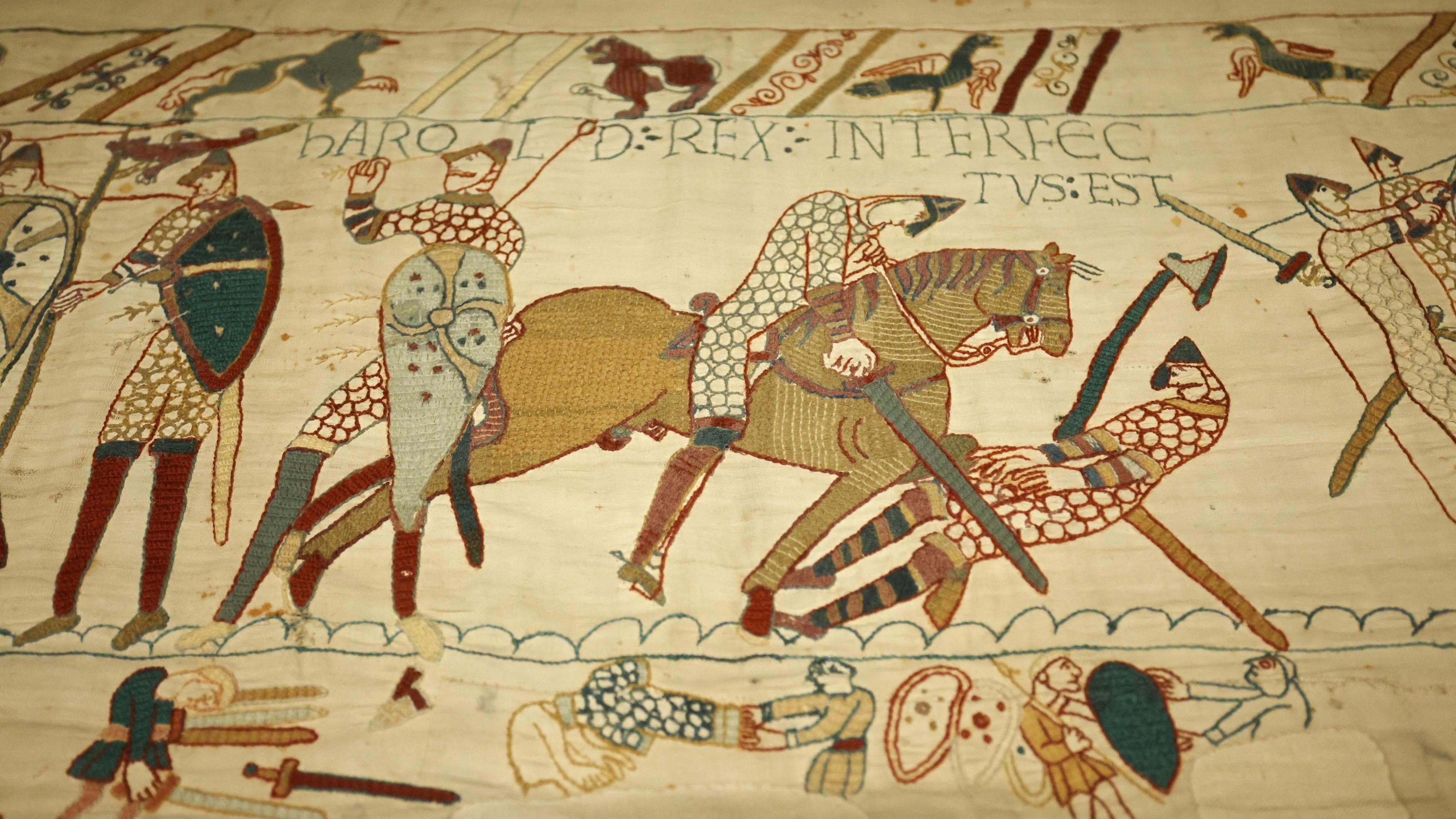
The British Museum is introducing new measures to manage growing crowds around one of Europe’s most famous medieval treasures, the Bayeux Tapestry, as intense visitor interest creates long queues at the London institution.
The museum plans to extend opening hours and introduce additional measures designed to make the experience more comfortable for visitors waiting to see the historic artwork. An audio guide and additional seating are also being introduced as part of the effort to improve the visitor experience.
The changes highlight the continuing power of major cultural treasures to draw international audiences, with the Bayeux Tapestry proving particularly popular among visitors eager to see the extraordinary medieval work in person.
The tapestry, which depicts the Norman conquest of England and the events surrounding the Battle of Hastings in 1066, is one of the world's best-known pieces of medieval art. Its combination of storytelling, history and remarkable craftsmanship has made it an enduring cultural attraction for generations.
Unlike a conventional painting, the tapestry tells its story through a long sequence of embroidered scenes. Battles, ships, soldiers, horses and political events unfold across the work, offering visitors a visual window into one of the defining moments in British and European history.
Its popularity also reflects a wider trend in cultural tourism, as travellers increasingly seek experiences connected to history and heritage rather than simply visiting traditional tourist landmarks.
For the British Museum, however, that popularity presents a practical challenge. Large crowds can create long waiting times, making it harder for visitors to enjoy the experience and placing additional pressure on museum staff and facilities.
Extending opening hours could help spread visitor numbers across a longer period, while seating is intended to make queues more manageable. The audio guide could also provide visitors with greater context about the tapestry and its historical significance while they wait or explore the exhibition.
The changes come as museums around the world continue to balance accessibility with the preservation and protection of cultural heritage. Some of the world's most important historical objects are also among its most popular tourist attractions, creating a difficult equation: the more people want to see them, the greater the pressure on the institutions responsible for displaying them.
The Bayeux Tapestry is particularly significant because of its historical rarity. Created nearly a millennium ago, it has survived political upheaval, wars and centuries of changing attitudes toward art and history.
Its continued ability to attract large audiences demonstrates that medieval history remains remarkably relevant in the modern age.
For visitors planning a trip to London, the museum's changes could make seeing the famous tapestry easier and more comfortable. But the queues themselves are also a reminder of the extraordinary cultural pull of an artwork that has been telling its story for almost 1,000 years.
As museums adapt to rising demand, the challenge is no longer simply how to preserve the past. It is how to give millions of modern visitors a meaningful opportunity to experience it.