
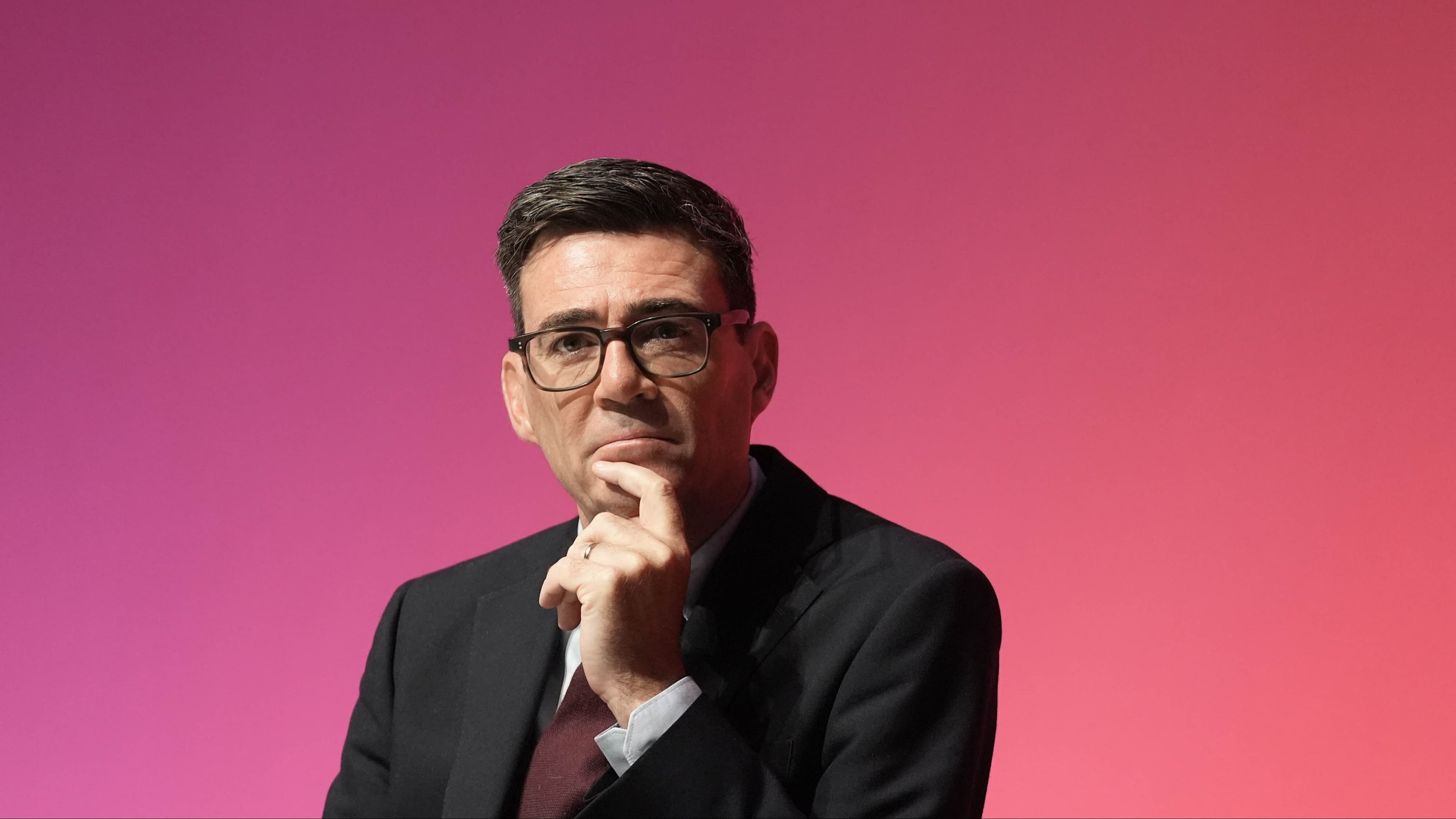
Britain’s Labour government is confronting one of its most consequential political debates as Prime Minister Andy Burnham prepares to argue that solving the country’s deepest problems will require choices that may prove difficult and unpopular.
Addressing the Labour Party conference in Liverpool on Tuesday, Burnham is expected to call for an “honest conversation” about the challenges facing Britain, placing social care at the centre of his government’s long-term agenda. His plans for a national care service are expected to provide free care at the point of use, with the costs spread across society.
The question of how such a system would be funded has quickly become one of the most sensitive issues surrounding the government. Ministers have reaffirmed that Labour will maintain the state pension triple lock during the current Parliament, but senior figures have declined to rule out changing the policy in a future manifesto.
The triple lock currently guarantees that the state pension rises each year by whichever is highest among inflation, average earnings growth or 2.5%. Reforming it could reduce future government spending, but would also change the way pension incomes increase over time.
Burnham has framed the wider debate around a willingness to confront problems that successive governments have struggled to resolve. He has argued that Britain cannot continue with “politics as usual” and is expected to present his government as offering a longer-term programme rather than short-term political fixes.
His conference agenda extends beyond social care. Burnham is also expected to announce plans for a publicly owned “Great British Grid”, aimed at expanding public control of energy infrastructure and helping reduce energy costs over the longer term.
The debate now reaches beyond one policy. It is about how Britain balances the demands of an ageing population, rising public-service pressures and limited government finances. Burnham has indicated that the full social-care proposal would be put to voters at the next general election, expected by mid-2029, rather than implemented during the current parliamentary term.
For Labour, the coming years will test whether its promise of long-term reform can be translated into a programme that is financially credible while addressing problems that have resisted successive governments.