
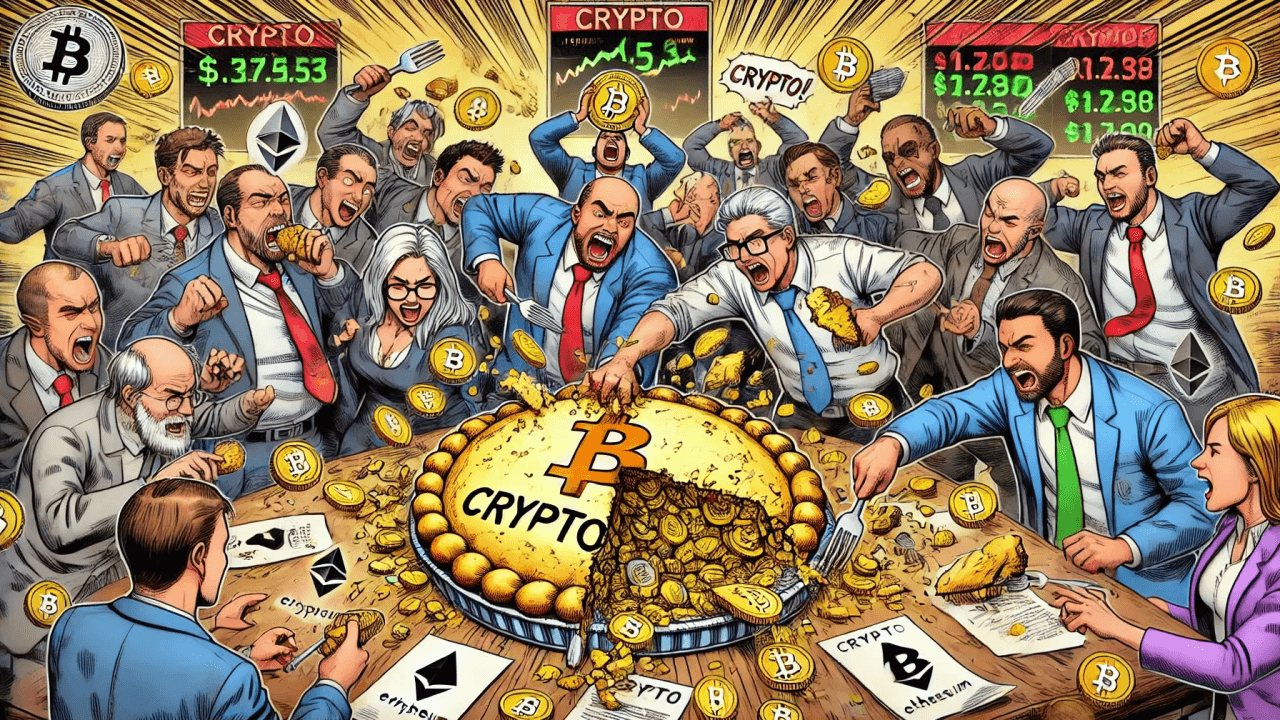
Meme coins have moved from the fringes of the cryptocurrency market into a major part of the digital-asset conversation, attracting investors who are looking for rapid gains but also exposing them to some of the market's highest risks.
Unlike traditional investments, meme coins are often driven less by established business models and more by online communities, social-media trends, celebrity attention and speculation. A coin can gain enormous visibility within hours, only for its value to fall just as quickly.
For people attempting to make money from the market, the biggest challenge is not simply finding a coin that is rising. It is identifying whether the demand behind that rise is genuine and whether there is sufficient liquidity for investors to enter and exit without suffering significant losses.
Some traders focus on newly launched tokens, attempting to identify projects before they become widely known. Others follow trading volume, wallet activity, liquidity and social-media momentum in an effort to determine whether interest in a particular coin is increasing.
The growth of artificial intelligence is also changing the way some traders monitor the market. Automated systems can track thousands of tokens, analyse price movements, monitor trading activity and identify unusual changes in liquidity or large-wallet transactions much faster than a human trader.
But technology cannot eliminate the fundamental risks. Meme coins can experience extreme price volatility, and some projects may have concentrated ownership, limited liquidity or anonymous developers. In the worst cases, investors can lose most or all of their money.
For entrepreneurs, however, the meme-coin economy offers another opportunity that does not necessarily depend on buying and selling tokens. Communities can be built around entertainment, online brands, games, digital products and social-media platforms, with cryptocurrency becoming one part of a wider business ecosystem.
This distinction is becoming increasingly important. Making money from a meme coin does not necessarily mean simply buying a token and waiting for its price to rise. Businesses can generate revenue from advertising, sponsorships, merchandise, digital services, community memberships and other activities surrounding a popular brand.
The strongest meme projects may therefore be those that can turn temporary internet attention into a sustainable community. A funny name or viral image can attract an audience, but maintaining that audience requires consistent content, transparency and a reason for people to remain involved.
Investors also need to distinguish between speculation and manipulation. Artificially creating demand, spreading false information, using undisclosed promotions or manipulating trading activity can cause serious financial and legal consequences.
The attraction of meme coins is understandable. A relatively small investment can sometimes produce extraordinary returns when a token becomes a viral phenomenon. But the opposite is equally possible, with prices collapsing rapidly when attention disappears.
For that reason, the emerging meme-coin economy is best viewed as a combination of technology, entertainment, marketing and speculation rather than simply another form of cryptocurrency investment.
The question for investors is no longer just which meme coin will become the next big winner. It is whether the people behind a project can turn attention into a genuine community, a community into a business and a business into something capable of surviving after the next internet trend has disappeared.
For anyone entering the market, the potential rewards remain significant—but so does the possibility of losing everything. In the world of meme coins, opportunity and risk continue to move together.