
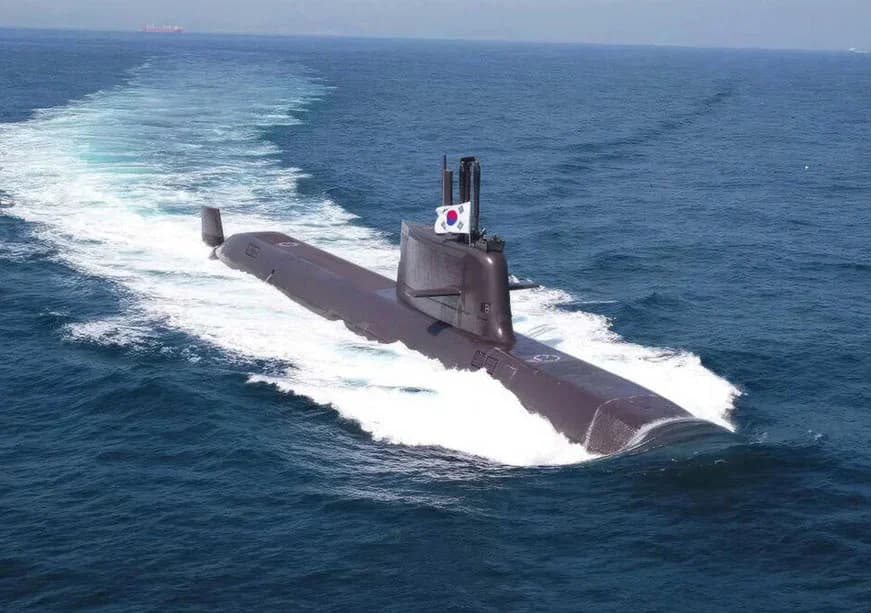
North Korea has warned that tensions across the Asia-Pacific could intensify after the United States approved South Korea’s plans to develop nuclear-powered submarines, describing the decision as a dangerous step that could reshape the region’s military balance.
Pyongyang’s criticism came after Washington gave its backing to Seoul’s plan to build nuclear-powered submarines, a major development for South Korea’s defence capabilities. The programme is intended to strengthen Seoul’s ability to respond to growing threats from North Korea, including its expanding submarine fleet and nuclear and missile programmes.
North Korean officials have condemned the agreement, arguing that the introduction of nuclear-powered submarines would add another layer of military competition to an already heavily armed region. Pyongyang has repeatedly accused Washington and Seoul of pursuing hostile policies and using military cooperation to threaten its security.
The dispute comes at a particularly sensitive moment on the Korean Peninsula, where tensions have remained high over North Korea’s development of nuclear weapons and increasingly sophisticated ballistic missiles. The country has also been expanding its maritime capabilities, including efforts to develop submarines capable of launching nuclear-armed missiles.
For South Korea, nuclear-powered submarines could represent a significant shift in its military strategy. Unlike conventional submarines, nuclear-powered vessels can remain underwater for much longer periods and travel greater distances without needing to surface frequently for refuelling. Supporters argue that this could improve Seoul’s ability to monitor and respond to threats from North Korea.
The United States’ decision also highlights the increasingly close security relationship between Washington and Seoul. Both countries have sought to strengthen deterrence against Pyongyang while coordinating with Japan and other regional partners as security concerns grow across the Indo-Pacific.
North Korea, however, sees such moves through a very different lens. Its leadership has consistently argued that the country needs a powerful nuclear deterrent because of what it describes as threats from the United States and its allies.
The submarine agreement now risks becoming another flashpoint in an already volatile security environment. As South Korea moves toward developing its nuclear-powered fleet, North Korea could respond by accelerating its own naval and missile programmes.
What began as a defence initiative for Seoul could therefore become part of a wider regional arms race, raising fresh concerns over stability in one of the world's most heavily militarised regions.