
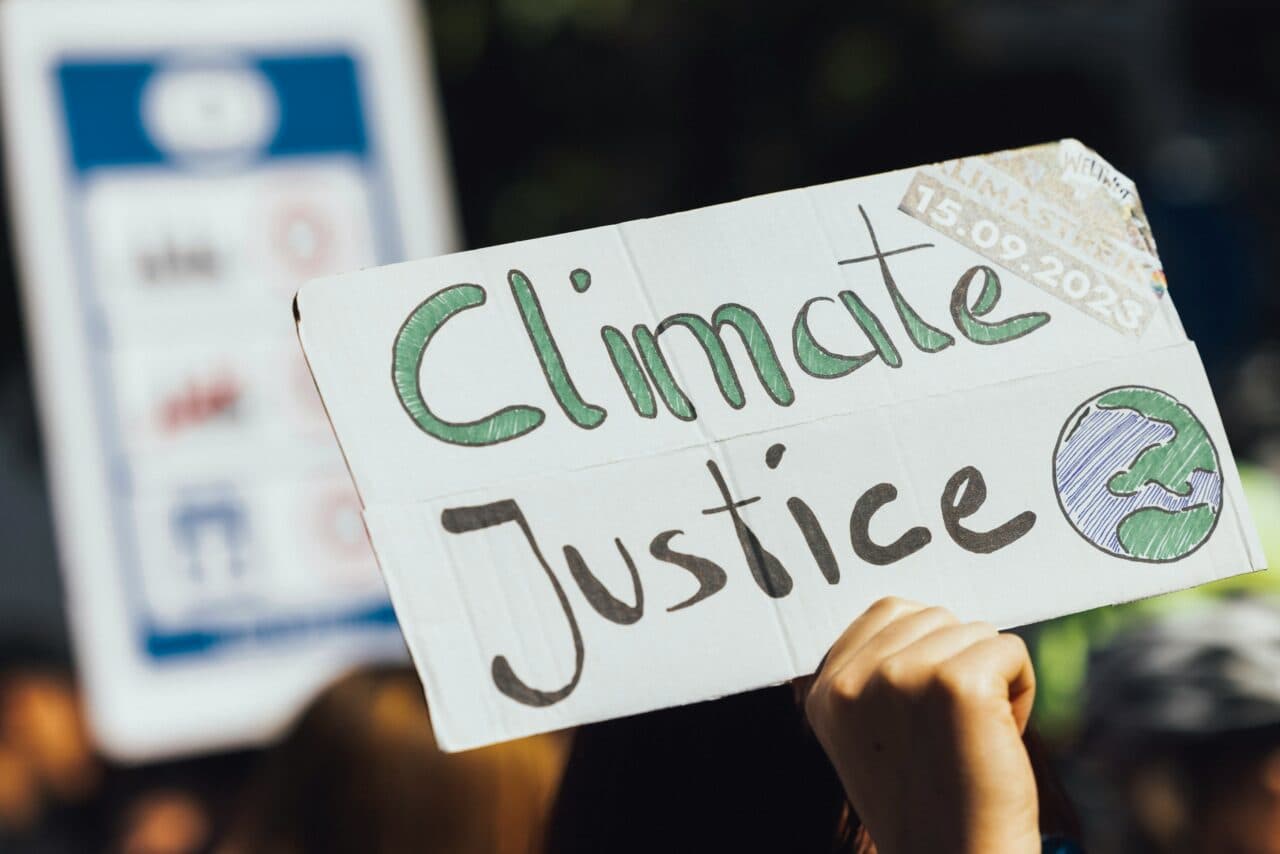
The climate crisis is no longer a distant warning buried in scientific reports. It is unfolding in real time, reshaping landscapes, threatening communities and pushing natural systems toward limits that are becoming increasingly difficult to ignore.
Across the world, extreme heat is becoming a defining feature of a warming planet. Record-breaking temperatures are placing pressure on hospitals, power networks and water supplies, while prolonged heat can turn cities into dangerous environments for millions of people. At the same time, some regions are facing the opposite extreme, with torrential rainfall and devastating floods destroying homes, roads and farmland.
The oceans are changing just as dramatically. Rising temperatures are fueling marine heatwaves and putting coral reefs and other fragile ecosystems under enormous stress. For coastal communities, the danger is compounded by rising sea levels, which increase the threat of erosion, flooding and saltwater contamination of freshwater resources.
Far from the coast, glaciers are retreating and mountain ice is disappearing. These frozen reservoirs provide water for millions of people, but their continued loss threatens to alter river systems and water supplies in the decades ahead.
The consequences extend into agriculture and food security. Changing rainfall patterns, extreme temperatures and prolonged drought can reduce crop yields and place additional pressure on food prices and supplies. Farmers are being forced to adapt to conditions that are increasingly difficult to predict, while communities dependent on natural resources face growing uncertainty.
Climate-driven disasters can also leave economic scars long after the headlines disappear. Homes must be rebuilt, infrastructure repaired and businesses restarted. Governments face rising costs while vulnerable communities often have the fewest resources to recover.
The crisis is also changing the natural world. Wildlife is losing habitats, ecosystems are shifting and species are being forced to adapt to rapidly changing conditions. Some may be able to move or adjust; others may not.
What happens next will depend heavily on decisions made now. Cutting greenhouse-gas emissions can limit future warming, while stronger infrastructure, better early-warning systems and climate adaptation can reduce the damage already becoming unavoidable.
The defining question is no longer whether climate change will affect the world. It already does. The question is how much more dramatically the planet—and human life along with it will change in the years ahead.