
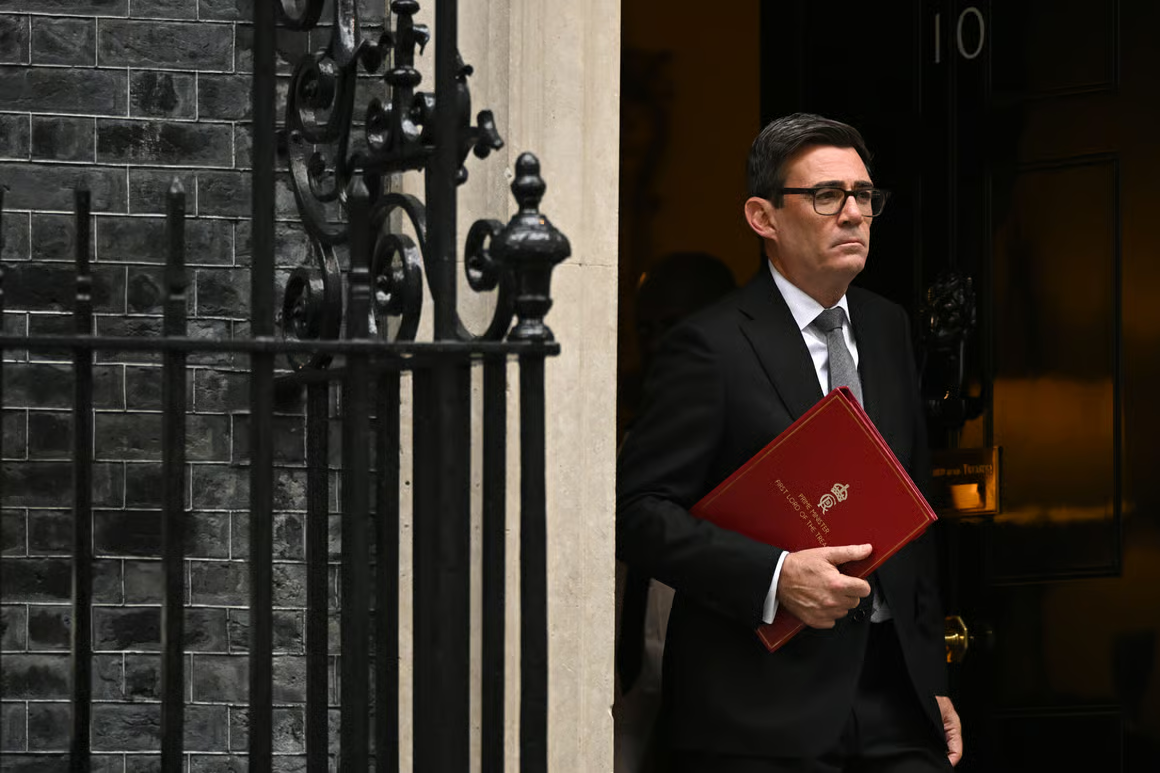
Britain’s latest budget has placed Prime Minister Andy Burnham’s government at the centre of a difficult economic balancing act: helping households struggling with rising living costs while creating the conditions for stronger growth. Presented by Chancellor John Healey on October 28, the 2026 Budget promises immediate financial relief, business support and a longer-term effort to strengthen the economy. But with families still under pressure and public finances demanding careful management, the government faces a major test of credibility.
One of the most prominent announcements is a £2.6 billion Household Energy Payment scheme, offering £100 to eligible households in council tax bands A to D in England from January 2027. The government says the measure could support up to 20 million households. It has also extended the temporary VAT reduction on domestic electricity until July 2027, a move expected to reduce the annual energy price cap by around £50 in April.
Motorists will receive some relief too, with the 5p fuel duty cut and freeze extended until July 2027. The government is also promising changes to energy pricing, including plans to remove standing charges from household gas bills.
However, the measures raise an important question: can short-term assistance deliver lasting economic improvement? While direct payments may help families manage immediate expenses, they cannot alone resolve deeper challenges such as weak productivity, expensive housing, pressure on public services and uncertainty facing businesses.
The government is also attempting to encourage investment, support high streets and expand housing opportunities. Yet businesses will be looking for more than announcements. They need predictable policies, affordable energy, skilled workers and confidence that the economy can sustain growth.
The political challenge for Burnham is equally significant. Households want visible improvements in their everyday lives, while businesses expect a stable environment in which to invest and create jobs. If economic progress remains slow, public patience could quickly weaken.
Ultimately, this budget is more than a financial statement; it is an early test of the government’s ability to turn promises into results. Burnham’s administration has offered families some breathing space, but the harder task lies ahead: building an economy that delivers opportunity, stability and a meaningful improvement in living standards. Britain will judge this budget not by its announcements, but by what changes in people’s lives.