




Zelenskyy Warns Allies Over Lack of Clear Security Guarantees
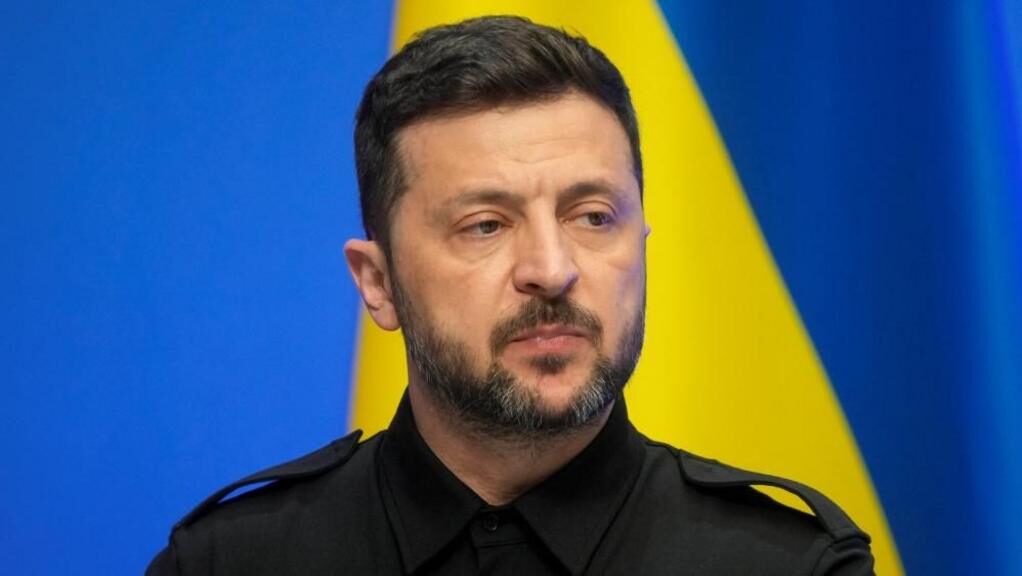
Ukrainian President Volodymyr Zelenskyy has raised serious concerns over the absence of concrete security guarantees from international allies, emphasizing that Ukraine’s safety remains uncertain amid ongoing tensions with Russia. Speaking after the second day of high-level negotiations in Paris, Zelenskyy urged Western partners to commit to legally binding assurances that would protect Ukraine in the event of future aggression.
The Paris talks, described by Ukrainian officials as “milestone” discussions, brought together representatives from the United States, European nations, and Ukraine to explore frameworks for peace, military support, and economic assistance. While Zelenskyy acknowledged progress on several fronts, he stressed that the lack of definitive commitments leaves Kyiv vulnerable, particularly in contested regions along the eastern front and around critical infrastructure.
“The discussions are constructive, but words alone will not protect our citizens,” Zelenskyy said in a televised briefing. “Ukraine needs guarantees that are clear, legally enforceable, and backed by our partners’ capabilities. Without them, the threat from Russia remains real and persistent.”
The Ukrainian leadership’s call comes amid continued Russian strikes targeting southeastern cities, which have left tens of thousands without power, disrupted water supplies, and damaged transportation networks. Reports from Odesa and other port regions indicate casualties from shelling and ongoing threats to civilian areas, underscoring the urgency of securing robust defensive measures.
Analysts note that Kyiv is seeking a combination of security assurances, military aid, and economic support that could deter further Russian advances while providing a foundation for a sustainable peace settlement. Western leaders, however, have been cautious about offering legally binding commitments, citing the complexities of international law, NATO protocols, and the risk of direct confrontation with Russia.
Zelenskyy’s remarks reflect a broader tension in international diplomacy, as Ukraine balances the need for immediate defense capabilities with long-term strategic partnerships. The president’s office indicated that follow-up meetings are planned in the coming weeks to clarify the scope of support, including potential troop deployments, military hardware transfers, and formal security guarantees.
For Kyiv, the stakes are high. The effectiveness of international support will not only determine Ukraine’s capacity to repel aggression but could also shape the regional balance of power for years to come. Zelenskyy’s warning serves as a clear message to allies: words of solidarity must translate into tangible protection if Ukraine is to maintain its sovereignty and stability.