










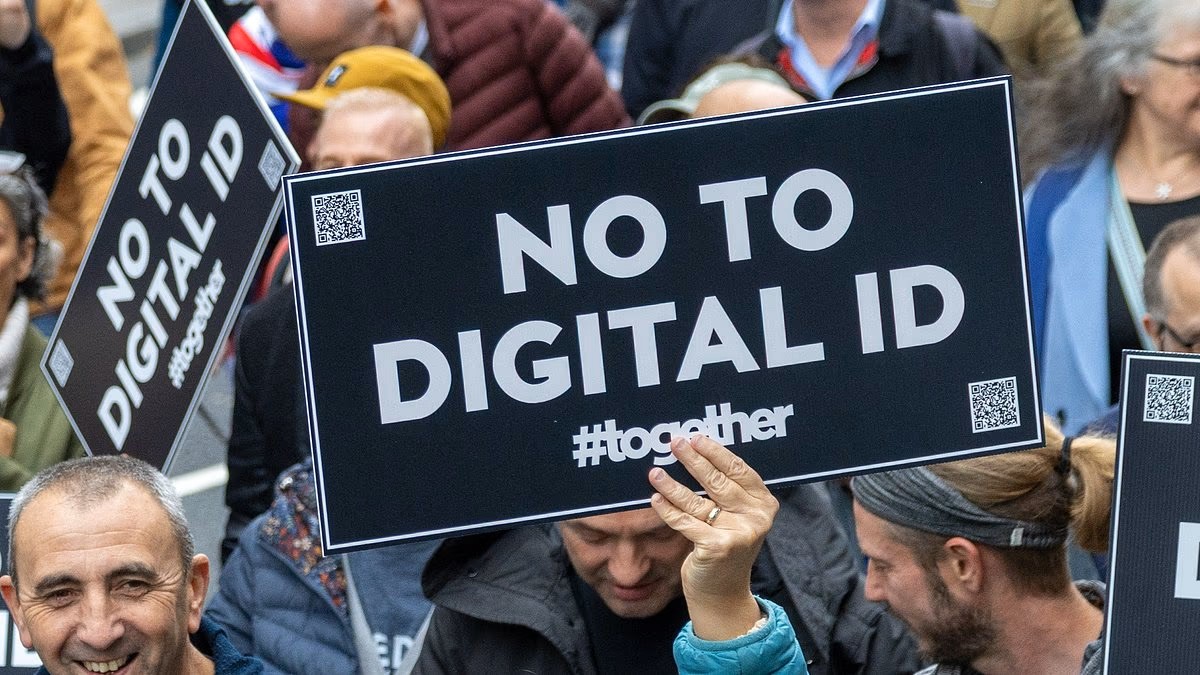
UK Government Abandons Controversial Digital ID Card Plan
The UK government has announced it is scrapping plans to make digital identity cards mandatory for all workers, marking a significant policy reversal after months of debate and public concern. The decision comes amid widespread criticism over privacy, civil liberties, and the potential costs of implementing the system.
The plan, originally introduced by the Labour government under Prime Minister Keir Starmer, would have required workers across both public and private sectors to carry a government-issued digital ID to prove their identity for employment purposes. Critics argued that the scheme risked creating an intrusive surveillance system and could disproportionately affect vulnerable groups.
In a statement, a government spokesperson said the policy would now be voluntary, allowing individuals and employers to opt in without facing legal consequences. “We have listened to the concerns of citizens, businesses, and privacy advocates,” the spokesperson said. “Our priority is to balance the need for secure identification with respect for personal freedoms and civil liberties.”
Opposition parties quickly welcomed the decision, with Conservative MPs describing the U-turn as “a victory for common sense.” Civil rights organizations also praised the move, highlighting fears that mandatory digital ID could have set a precedent for further government overreach.
Experts note that while the decision removes immediate pressure, the debate over digital identification is unlikely to disappear. Advocates argue that secure digital ID systems could improve fraud prevention, streamline access to government services, and enhance workplace security. Detractors, however, warn that centralizing personal information could make citizens vulnerable to hacking and misuse.
The announcement comes at a time when the government faces growing scrutiny over its handling of technology and data privacy. Recent reports have raised questions about the security of government databases and the potential risks of linking personal information across multiple platforms.
While the mandatory aspect of the scheme has been shelved, officials indicate that discussions will continue on how to implement digital ID systems in a manner that protects privacy while meeting security and employment verification needs.
The U-turn on digital ID represents one of the most high-profile policy reversals of the current Labour government, reflecting both public concern and political realities. As debates continue, the government is expected to focus on creating a framework that balances technological innovation with citizens’ rights, ensuring that future digital ID initiatives are both secure and voluntary.