







Gaza Breakthrough: Rafah Crossing to Reopen After Years of Blockade
In a major development, Israel announced that the Rafah border crossing between Gaza and Egypt will reopen for limited operations on Monday, offering a rare opportunity for movement after nearly two years of near-total closure. The announcement has sparked hope among Gazans who have faced prolonged restrictions, while international observers watch closely amid ongoing tensions in the region.
The reopening, described as a pilot operation, will allow a controlled number of people to cross in both directions on foot. Authorities emphasized that security checks and movement limitations will remain in place, reflecting concerns over safety and regional stability. The move comes after weeks of negotiations and coordination between Israel, Egyptian authorities, and international humanitarian agencies.
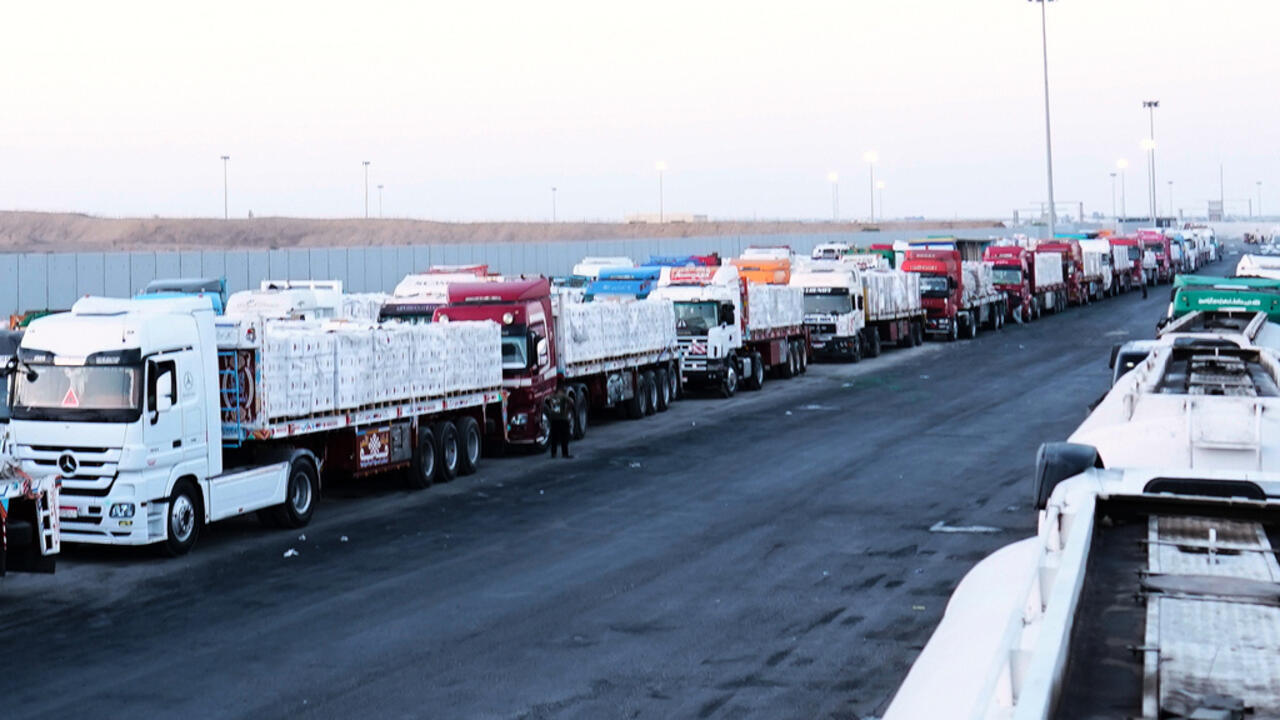
For residents of Gaza, the reopening of Rafah represents not just a chance to travel, but a vital lifeline. Many families have been separated, essential supplies have been constrained, and urgent medical cases have struggled to access treatment abroad. Humanitarian organizations have welcomed the announcement, noting that even limited passage could alleviate some of the immediate pressures on the densely populated enclave.
Officials also stressed that the operation will be closely monitored, with adjustments made based on security conditions and crowd management. While the announcement has been met with cautious optimism, analysts note that full reopening is unlikely in the short term, and the situation remains fragile.
The Rafah crossing has long been a focal point in the Israeli-Palestinian conflict, representing a critical gateway for goods, travel, and humanitarian support. Its limited reopening is expected to draw attention from global media, international agencies, and policymakers who have been advocating for improved access to Gaza.
As Gazans prepare for the first movement across Rafah in years, emotions run high — relief, anticipation, and lingering uncertainty. The operation underscores both the humanitarian urgency in the region and the complex political realities that continue to shape the lives of millions.
With Monday’s opening, the Rafah crossing could mark a small but meaningful step toward easing one of the world’s most enduring crises, offering a glimmer of hope in an area long defined by isolation and conflict.