






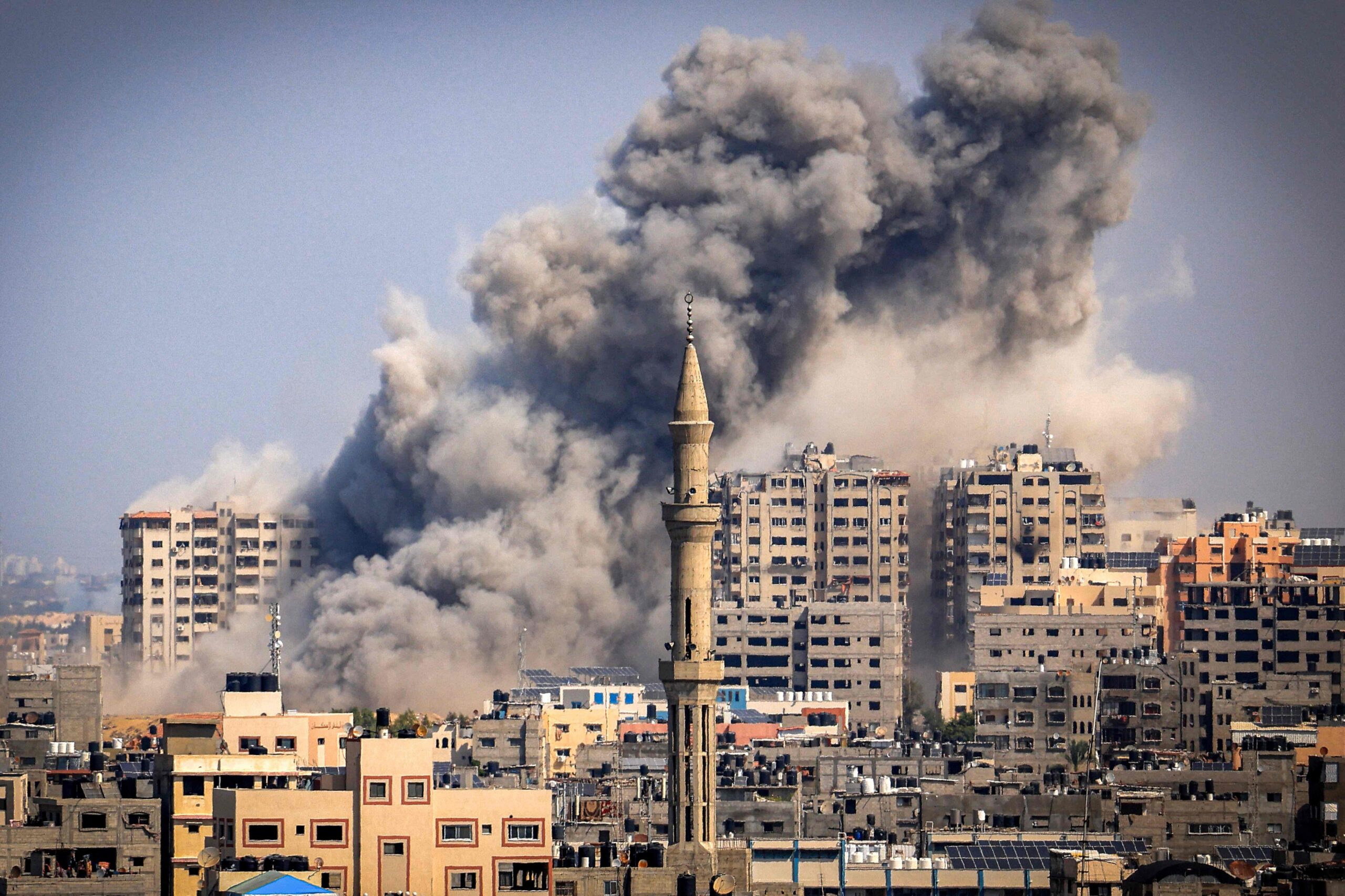
Middle East on Edge: Rising Tensions Spark Global Alarm and Diplomatic Rush
The Middle East is once again gripped by escalating tensions, placing the region and much of the world on high alert. A series of political confrontations, military warnings, and strategic maneuvers have intensified uncertainty, raising fears that a fragile balance could tip toward wider conflict.
In recent weeks, sharp exchanges between regional rivals have grown increasingly hostile. Officials on multiple sides have issued stern warnings, while military forces have reportedly increased readiness levels in sensitive border zones and coastal areas. Fighter jets, naval patrols, and missile defense systems are being closely monitored by international observers, signaling that the situation remains volatile.
The region’s importance to global energy markets has amplified concerns. The Middle East accounts for a significant portion of the world’s oil production and export routes. Any disruption, particularly around critical maritime corridors, could trigger spikes in oil prices and ripple effects across global economies. Financial markets have already shown signs of caution, with investors reacting nervously to each new development.
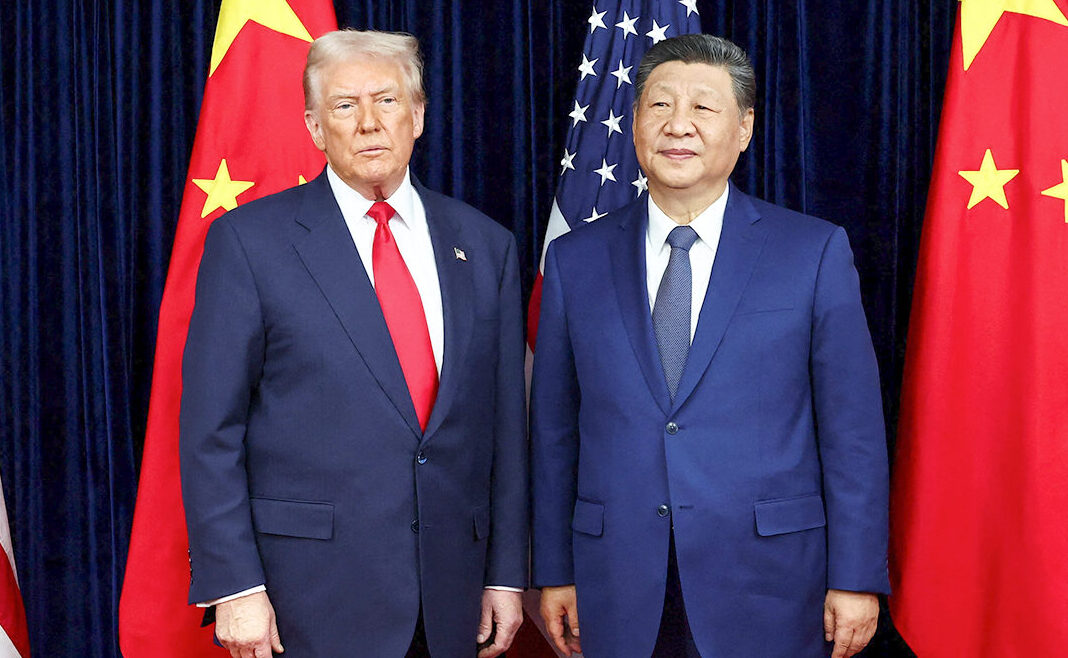
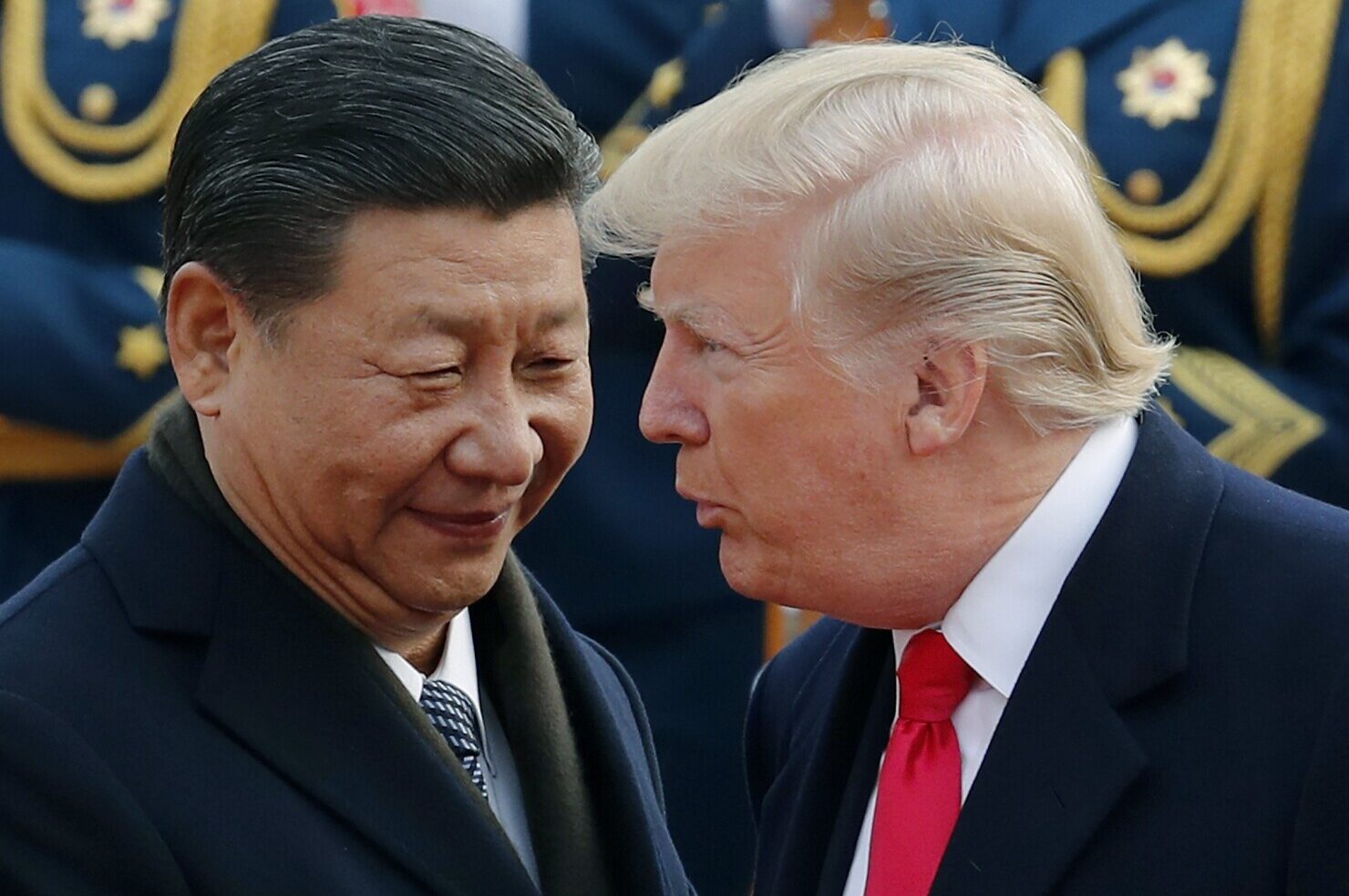
Diplomatic channels are working intensely behind the scenes. World powers have urged restraint and called for immediate dialogue to prevent further escalation. Emergency consultations are reportedly taking place between regional governments and international mediators. While public statements remain firm, there are indications that quiet negotiations are underway to reduce tensions and avoid unintended confrontation.
Security analysts note that the current strain is not the result of a single incident but rather a culmination of long-standing rivalries, unresolved territorial disputes, and competing ambitions for regional influence. Historical grievances and proxy conflicts have long shaped the political landscape, making de-escalation a complex and delicate task.
Meanwhile, ordinary citizens across the region are watching events unfold with concern. Governments have tightened security in major cities and strategic locations as a precaution. Travel advisories and emergency preparedness measures are being reviewed in several countries, reflecting the seriousness of the moment.
International organizations have echoed calls for calm, emphasizing that diplomacy remains the most viable path forward. Experts warn that even limited confrontation could have cascading effects, drawing in additional actors and expanding instability beyond the region.
As tensions continue to simmer, the coming days and weeks will prove critical. The decisions made by regional leaders and global powers could determine whether the Middle East steps back from the brink or moves closer to a period of renewed conflict. For now, the world watches carefully, hoping that dialogue prevails over division and that stability can be preserved in a region that has long stood at the crossroads of global affairs.