




The fight to control the narrative in the Afghan-Pakistan conflict
As clashes continue along the Afghanistan-Pakistan border, the conflict has increasingly become a battle over perception as well as territory. Both governments and affiliated media are vying to control the narrative, using traditional outlets and social media platforms to influence domestic and international opinion.
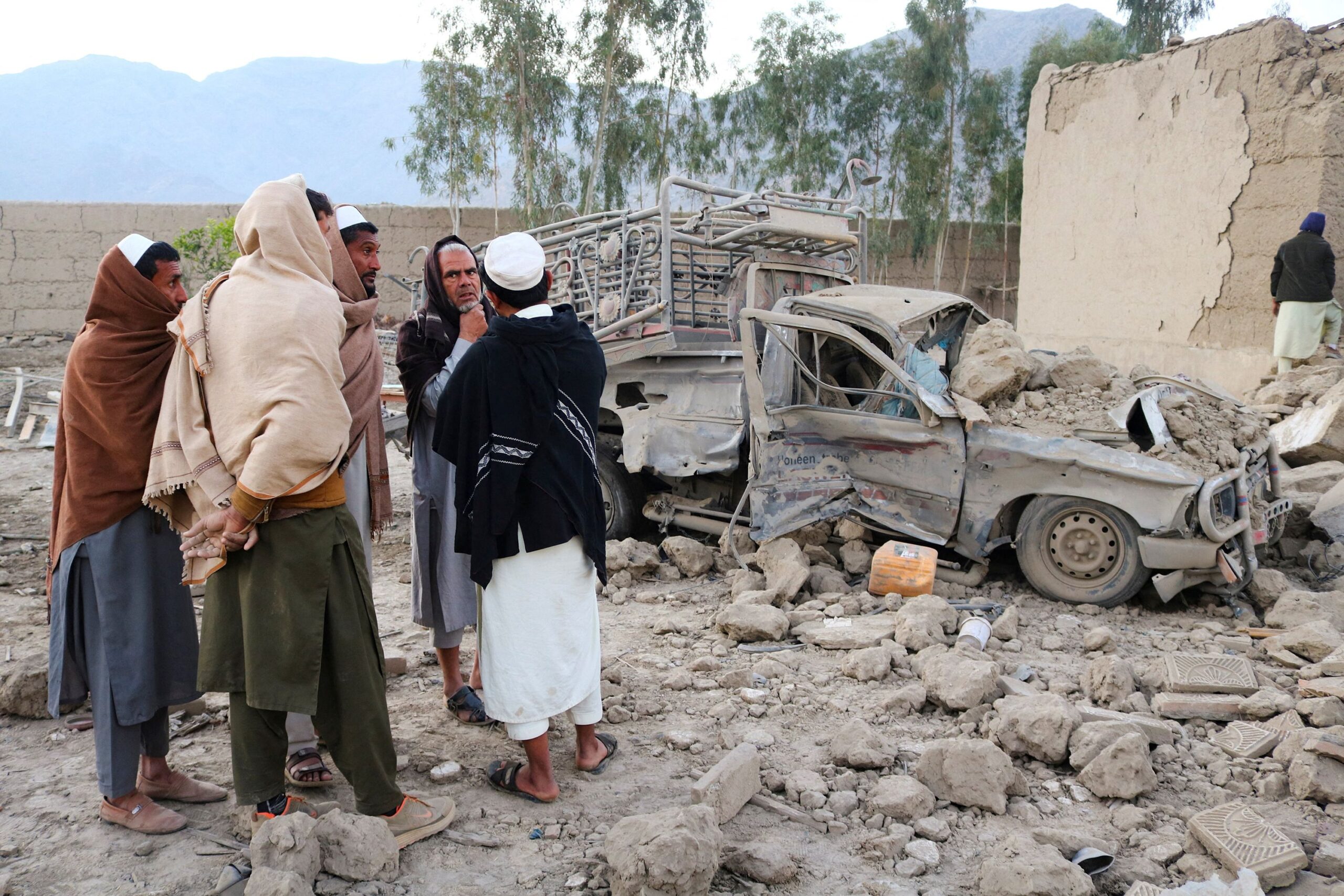
The current tensions escalated in late February when Pakistan conducted airstrikes inside Afghanistan, targeting areas it claimed were hideouts of insurgent groups. Afghan authorities have disputed these claims, reporting civilian casualties and property damage, while accusing Pakistan of violating Afghan sovereignty. Both sides have sought to present their version of events as the truth, resulting in sharply contrasting narratives across media channels.
In Afghanistan, online networks and independent news outlets have amplified civilian accounts, shared images and videos from affected provinces, and used hashtags and social media campaigns to draw international attention to what they describe as Pakistani aggression. The goal is to gain global sympathy and support while highlighting the human cost of cross-border operations.
Conversely, Pakistani officials and mainstream media have focused on the country’s security concerns, particularly threats from militant groups such as Tehrik-e-Taliban Pakistan operating in Afghan territory. Islamabad frames its actions as defensive measures necessary to protect its population from terrorist attacks, portraying Afghanistan as failing to address militant activity.
This battle over narrative has implications beyond domestic audiences. International observers and mediators, including China, Qatar, Saudi Arabia, and Turkey, face challenges in negotiating peace when each side presents a different account of the conflict. Analysts note that the competition to control information can prolong tensions, deepen mistrust, and shape public perception of the conflict as much as military developments do.
The Afghan-Pakistan conflict illustrates how modern warfare extends into the digital sphere. Both governments are using media strategically to reinforce their positions, sway international opinion, and justify military actions. As the situation evolves, understanding the narratives being promoted on both sides will be critical for diplomats, journalists, and global audiences attempting to make sense of the ongoing crisis.