






Food Prices Likely to Rise as Iran War Disrupts Global Supply Chains, Farmers’ Union Warns
Food prices are expected to rise in the coming months as the ongoing conflict involving Iran continues to disrupt global supply chains, the National Farmers’ Union (NFU) has warned. The union says the war is pushing up the cost of key agricultural inputs, including fuel and fertiliser, costs that are likely to be passed on to consumers.
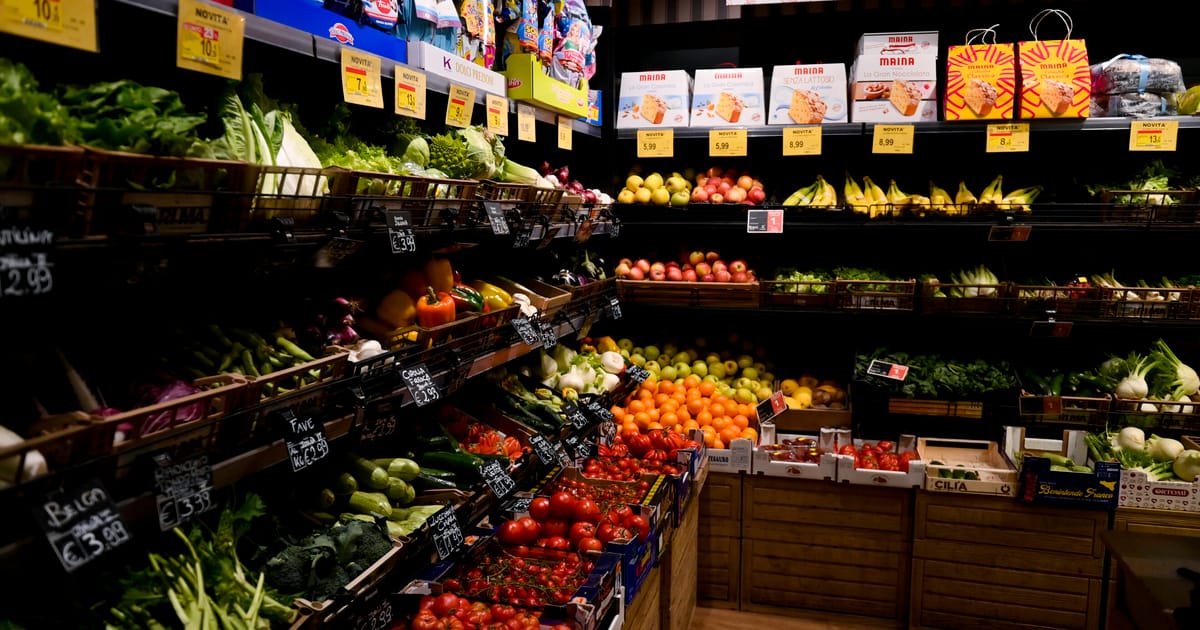
Staple crops such as cucumbers, tomatoes, and other fresh produce could see price increases within the next six weeks, while broader impacts on grains, dairy, and other farm products may emerge over the next three to six months if current trends persist. Farmers have reported steep rises in diesel and fertiliser prices, making planting and production more expensive at a critical time in the growing season.
Shipping disruptions through the Strait of Hormuz, a major corridor for global oil and fertiliser exports, have further compounded the problem. Delays in transport and rising energy costs are pushing production costs higher worldwide, creating a ripple effect across food markets. The NFU warns that continued disruptions could trigger sustained increases in retail food prices, particularly for perishable goods.
American and European farmers have already experienced sharp increases in nitrogen-based fertiliser prices, with some reporting rises of up to 40 percent. Reduced access to fertiliser could also impact crop yields if farmers are unable to secure enough supply before planting, raising concerns about future shortages. Experts warn that these higher production costs are likely to be passed on to consumers, contributing to broader inflation in grocery prices.
International organisations have also expressed concern about the impact on global food security. Rising prices and supply disruptions may exacerbate hunger and food insecurity in vulnerable regions, particularly in countries dependent on imported food and agricultural inputs. Analysts say that if the conflict continues, pressure on global food markets will intensify, creating additional challenges for both producers and consumers.
The NFU has called for urgent measures to support farmers and mitigate the expected rise in consumer prices. Policymakers are being urged to monitor supply chains closely and take steps to ensure the stability of food production and distribution during the conflict.
With the war showing no signs of ending soon, families may soon feel the impact at the supermarket, as both fresh produce and essential food items are expected to become more expensive in the weeks and months ahead.