






Iran War Fuel Crisis Upends Everyday Life Across Asia
Ordinary life across Asia is being disrupted as the ongoing conflict involving Iran fuels a global energy crisis. Soaring oil prices, triggered by geopolitical tensions and supply disruptions, are hitting households, businesses, and governments alike, forcing urgent adjustments to daily routines and budgets.
The crisis stems largely from disruptions in the Strait of Hormuz, a key chokepoint through which about 20 percent of the world’s oil and liquefied natural gas passes. With tanker traffic slowed or halted, crude prices have surged, sending shockwaves across Asian economies, which rely heavily on imported fuel.
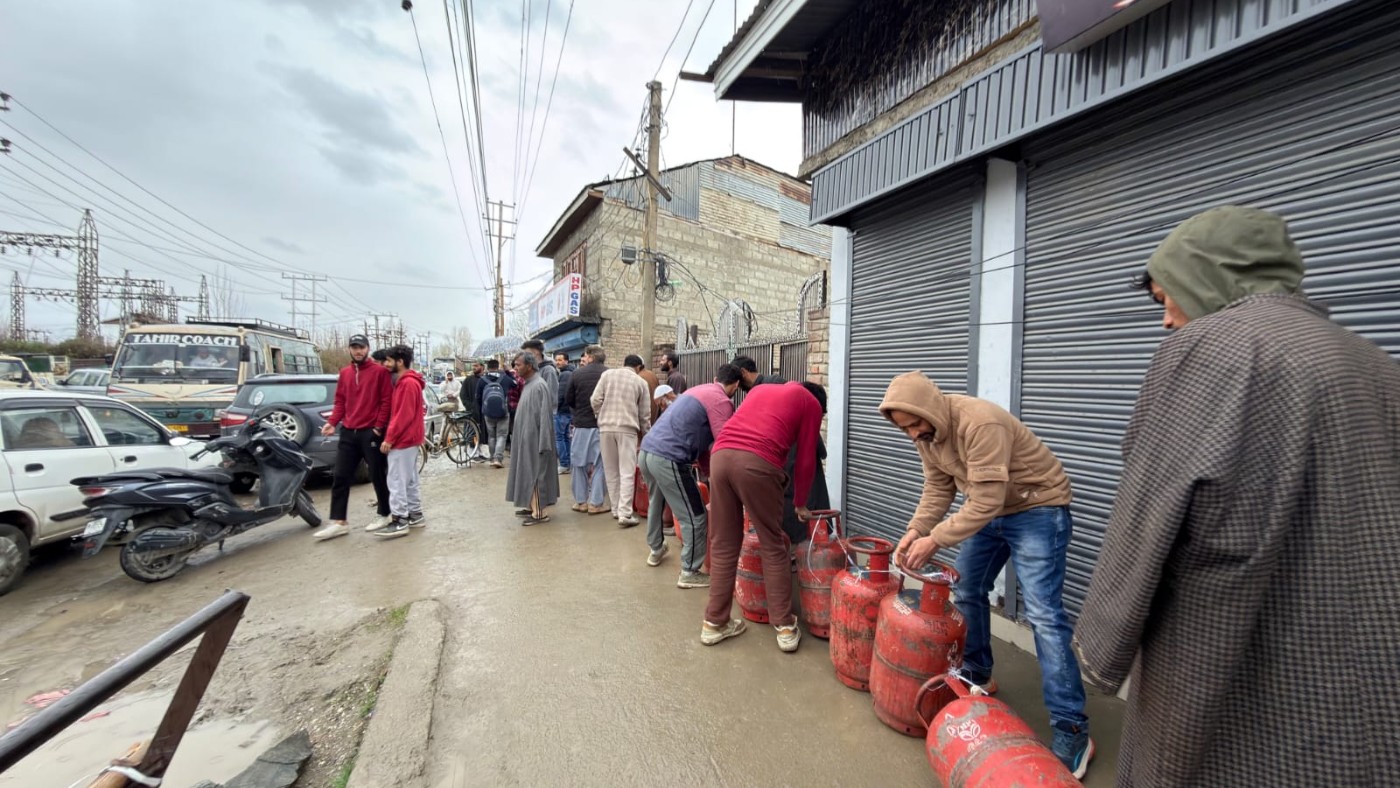
Motorists in cities from Hanoi to Manila are facing long queues at gas stations amid fears of further shortages. Diesel and petrol prices have spiked sharply, increasing pressure on household budgets already stretched by rising food and essentials costs. Small businesses, particularly those dependent on transport, are grappling with higher operating costs, which are beginning to ripple through local economies.
Governments in the region are responding to the crisis. India, for example, has established multiple task forces to assess the war’s impact on energy supplies, essential goods, and supply chains. Officials are racing to implement short-term measures to ease the burden on consumers while seeking long-term energy security strategies.
Experts warn that Asia’s dependence on imported fuel makes the region highly vulnerable to geopolitical shocks. Limited domestic storage and underdeveloped alternative energy infrastructure mean that any disruption in supply quickly translates into higher costs for families and businesses.
At the same time, the crisis is accelerating interest in sustainable energy solutions. Electric vehicles, renewable energy projects, and energy efficiency initiatives are gaining traction as countries and consumers look for ways to reduce dependence on imported oil and build resilience against future volatility.
For now, millions of people across Asia are adjusting to a new reality in which fuel scarcity and price swings have become a part of daily life. The Iran conflict underscores how events thousands of miles away can directly shape local routines, economic stability, and long-term planning.
As the crisis continues, governments, businesses, and individuals are all being forced to rethink energy consumption, supply strategies, and lifestyle choices in ways that could have lasting effects well beyond the immediate conflict.