






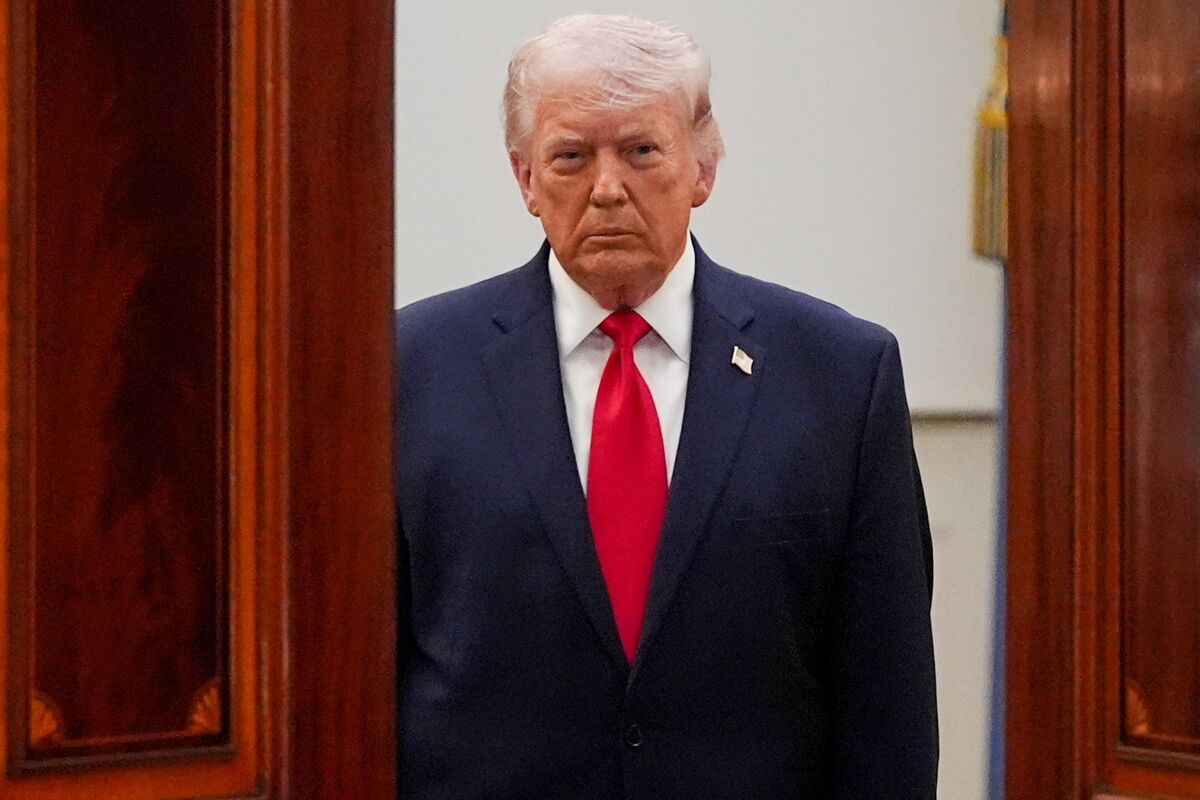
Trump Faces Political Backlash Over Massive Defense Spending Amid War
President Donald Trump is facing mounting political resistance over his proposal to funnel billions of dollars into defense and Department of Homeland Security spending, as the U.S. grapples with escalating conflict in the Middle East. Lawmakers, particularly Democrats, have described the request as “morally bankrupt,” criticizing the timing and scale of the funding amid growing human and economic costs of war.
The proposed budget increase comes as tensions between the United States and Iran continue to rise. The recent downing of a U.S. fighter jet over Iranian territory, which left one crew member missing, has intensified calls for military preparedness, prompting Trump to push for expanded resources to strengthen America’s defense posture.
Congressional Democrats argue that while national security is essential, the proposed spending lacks accountability and fails to consider the long-term consequences of escalating military engagements. “This is not just about dollars—it’s about lives, global stability, and fiscal responsibility,” one senior Democratic lawmaker stated. Critics also point out that the proposal comes at a time when domestic priorities, such as healthcare, education, and infrastructure, face funding gaps.
Republicans largely support the president’s plan, framing it as a necessary step to ensure U.S. military readiness and deter further aggression from Iran and other adversaries. They argue that rapid allocation of funds is crucial to respond to unforeseen developments in the Gulf, especially with the ongoing search for the missing airman and the broader risks of regional escalation.
Analysts warn that the political debate over defense funding could have broader implications for Trump’s agenda and U.S. foreign policy. While the administration emphasizes military strength and preparedness, congressional pushback reflects growing concern over balancing aggressive defense measures with diplomatic solutions.
As the debate unfolds, both lawmakers and the public are closely watching how Congress will respond to the president’s request, knowing that decisions on funding could influence the trajectory of the U.S.–Iran conflict and shape America’s strategic posture in the Middle East.
The outcome of this funding battle will likely set the tone for the administration’s handling of both military operations and domestic priorities, highlighting the complex intersection of politics, defense, and global conflict.