




Myanmar Coup Leader Min Aung Hlaing Elected President, Deepening Civil War
Myanmar’s long-time military strongman Min Aung Hlaing, who triggered a brutal civil war by overthrowing the elected government in 2021, has been elected president by a pro-military parliament, formalising his grip on power in the war-torn Southeast Asian nation.
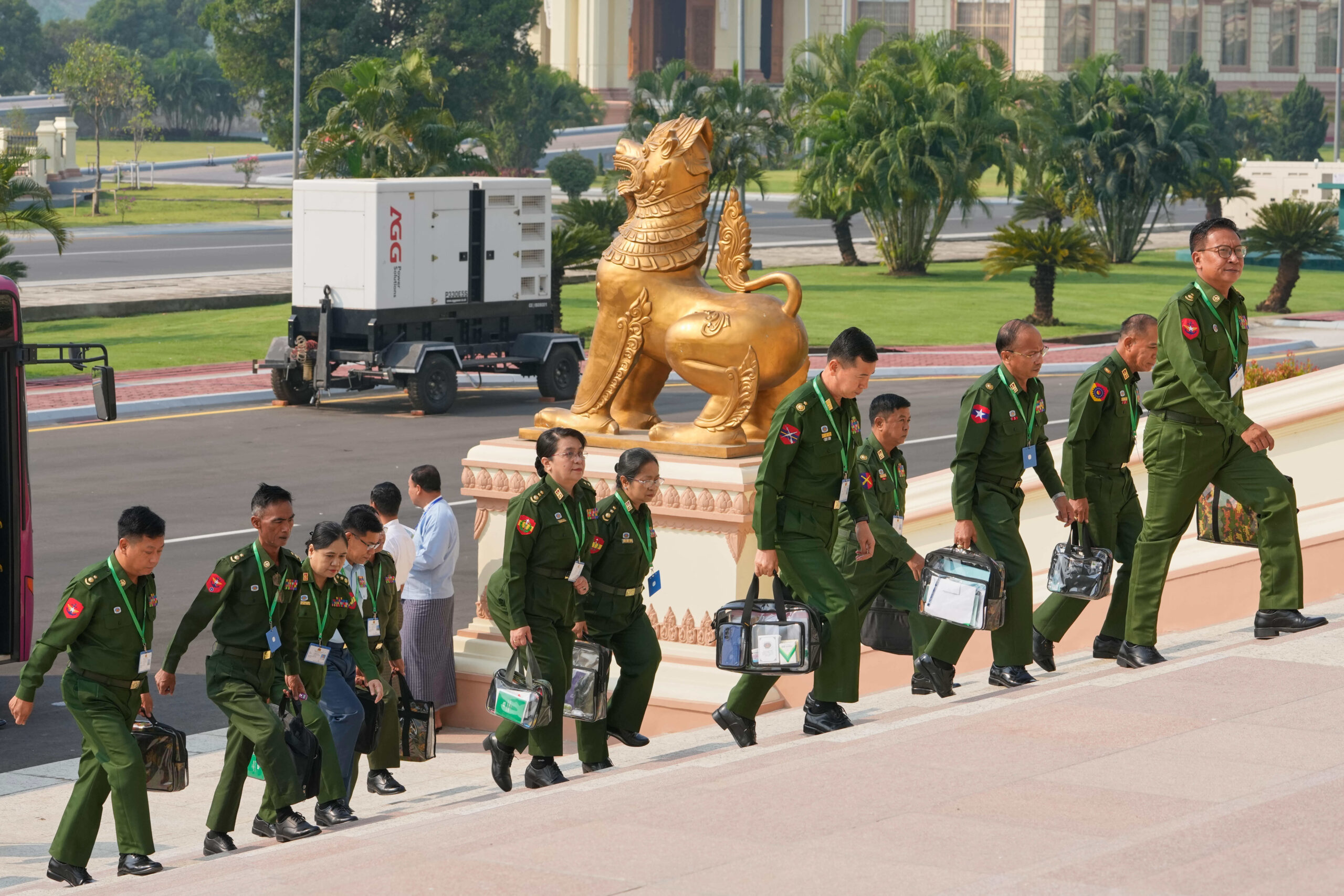
On April 3, 2026, lawmakers dominated by the Union Solidarity and Development Party (USDP) and military-appointed legislators voted to install the 69-year-old general as the country’s new president, five years after he dismantled Myanmar’s fragile democracy. In the vote held in the capital Naypyidaw, Min Aung Hlaing secured a majority of parliamentary ballots, consolidating military rule under the facade of a civilian title.
The transition comes after a controversial election cycle concluding in late January, which critics and international observers described as neither free nor fair. Opposition parties, including the ousted National League for Democracy (NLD) once led by Nobel Peace Prize laureate Aung San Suu Kyi, were either excluded or chose to boycott the polls, citing repression and an uneven political environment.
Min Aung Hlaing first seized power with a coup on February 1, 2021, detaining Suu Kyi and top civilian leaders on politically motivated charges. The coup sparked widespread protests that were violently suppressed, eventually escalating into a full-scale armed conflict involving ethnic armed organizations and pro-democracy militias. The resulting civil war has devastated Myanmar’s economy, displaced millions, and drawn severe criticism from international human rights groups.
Human rights organizations and United Nations experts have accused the military of atrocities against civilians during the conflict, allegations that the junta has repeatedly denied. International courts, including the International Criminal Court, have pursued investigations into alleged crimes against humanity related to the junta’s actions, particularly against minority groups.
Despite his ascent to the presidency, significant portions of Myanmar remain outside the junta’s control, with resistance groups continuing armed opposition. Some ethnic minority armies and pro-democracy factions have recently united under a new coalition aimed at dismantling military rule and establishing a federal democratic government, though analysts say they face substantial military pressure and limited resources.
Min Aung Hlaing’s election has drawn a mixed international response, with allies highlighting stability and continuity, while Western governments and rights advocates condemn the process as a consolidation of authoritarian power. Observers warn that his presidency is unlikely to ease the political and humanitarian crisis gripping Myanmar and may further entrench divisions within the country.