






UK refuses to join US-led Strait of Hormuz blockade as global tensions escalate
The United Kingdom will not support a United States-led naval blockade of the Strait of Hormuz, Prime Minister Sir Keir Starmer has confirmed, marking a clear split between Washington and London over how to handle the escalating crisis in one of the world’s most critical shipping routes.
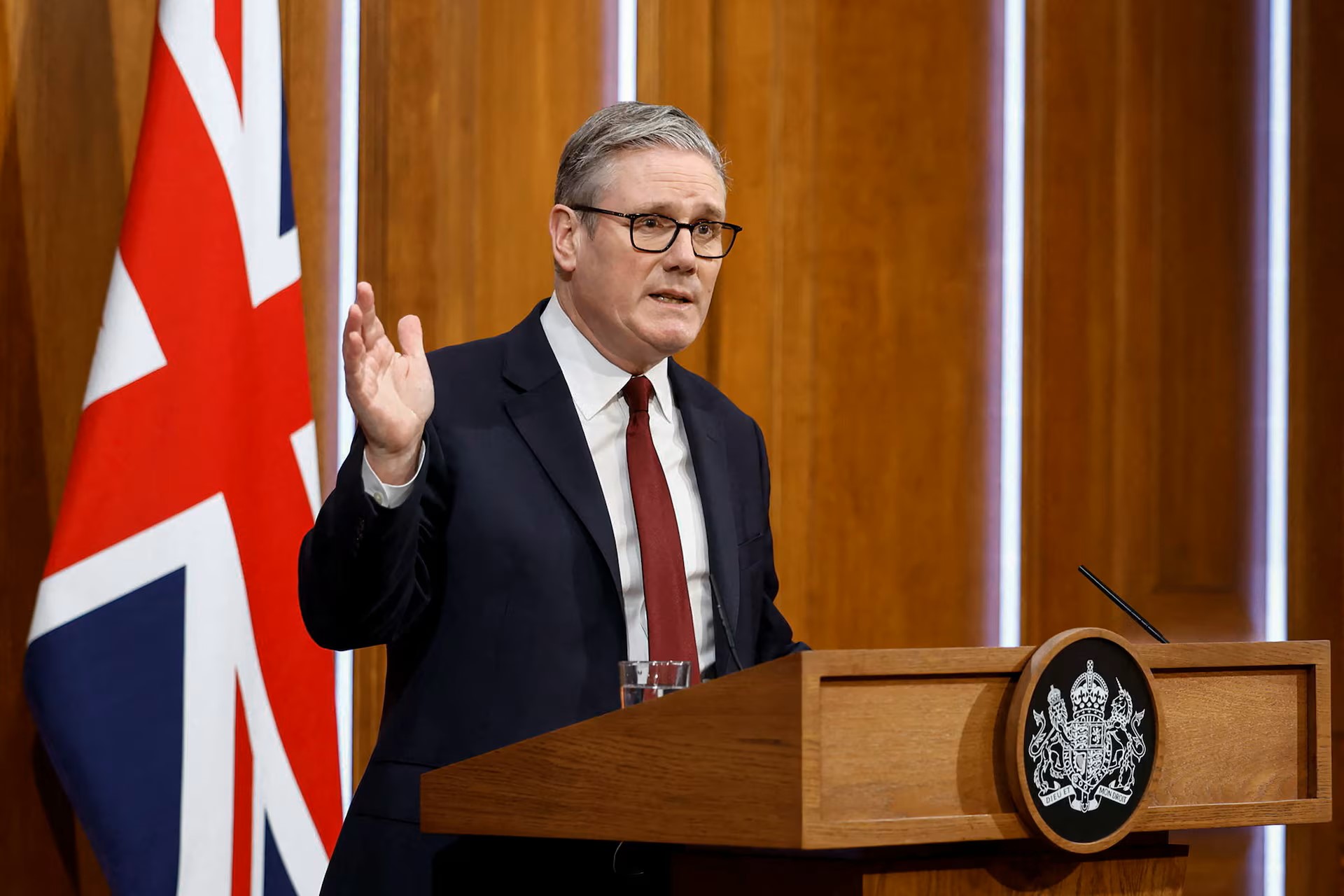
Speaking amid rapidly shifting diplomatic and military developments in the Gulf, Starmer said Britain would not participate in any blockade operation, emphasising instead a focus on keeping the waterway open to international trade and avoiding further escalation.
The decision comes as the United States moves ahead with a naval blockade targeting Iranian-linked shipping routes in and around the Strait, a narrow but strategically vital passage through which a significant share of global oil supplies flows.
The move has already triggered sharp market reactions, with energy prices rising and shipping routes becoming increasingly volatile. Several vessels have reportedly altered course or delayed transit due to heightened risk in the region.
The Strait of Hormuz, bordered by Iran and the Arabian Peninsula, has long been a geopolitical flashpoint. Any disruption to traffic through the waterway carries immediate consequences for global energy markets, inflation expectations and supply chains.
Downing Street said the UK’s priority remains “freedom of navigation” and the protection of global trade routes, rather than direct military involvement in enforcement actions. British officials are instead understood to be working with European and regional partners on diplomatic efforts aimed at de-escalation.
The split highlights growing differences among Western allies over how to respond to the crisis, with some countries backing stronger military measures while others warn of the risks of widening the conflict.
Analysts say the UK’s position reflects concern over being drawn into a broader regional war, as well as the economic consequences of prolonged instability in global energy markets.
The United States has argued that tighter control of shipping linked to Iran is necessary to reduce threats to commercial vessels and enforce security in the region. However, critics warn that such measures risk further destabilising an already fragile situation.
As tensions continue to rise, attention is now turning to whether diplomatic channels can be revived to prevent further escalation and secure safe passage through the Strait.
For now, the divide between key allies underscores the complexity of the crisis—and the high stakes for global energy security and international stability.