








Climate Breakdown Extends Pollen Season Across UK and Europe, New Research Finds
New research indicates that rising global temperatures are significantly extending pollen seasons across the United Kingdom and mainland Europe, adding to growing evidence that climate breakdown is already reshaping environmental and public health conditions.
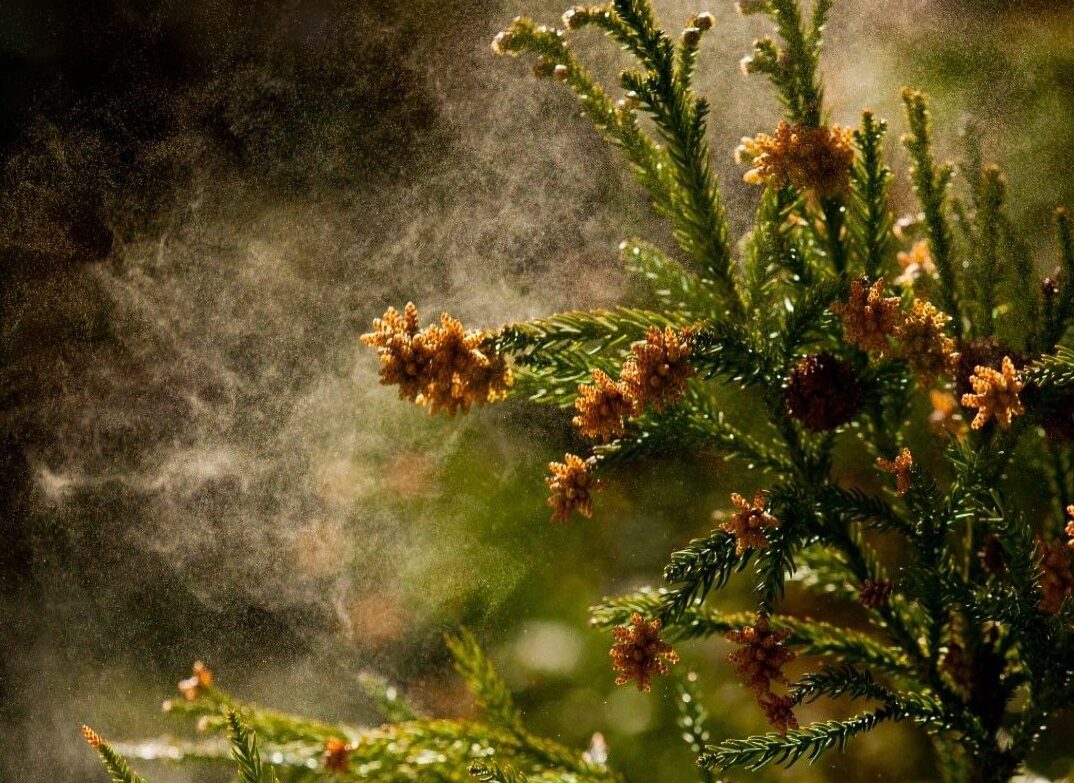
Scientists report that warmer temperatures are causing plants to begin pollinating earlier in the year and continue releasing pollen for longer periods into the autumn. This extended exposure is increasing the duration and intensity of seasonal allergies for millions of people.
Experts say that global heating is not only lengthening pollen seasons but also worsening related climate impacts such as heatwaves and droughts. These combined effects are placing additional pressure on healthcare systems, particularly during peak allergy months when respiratory symptoms become more widespread.
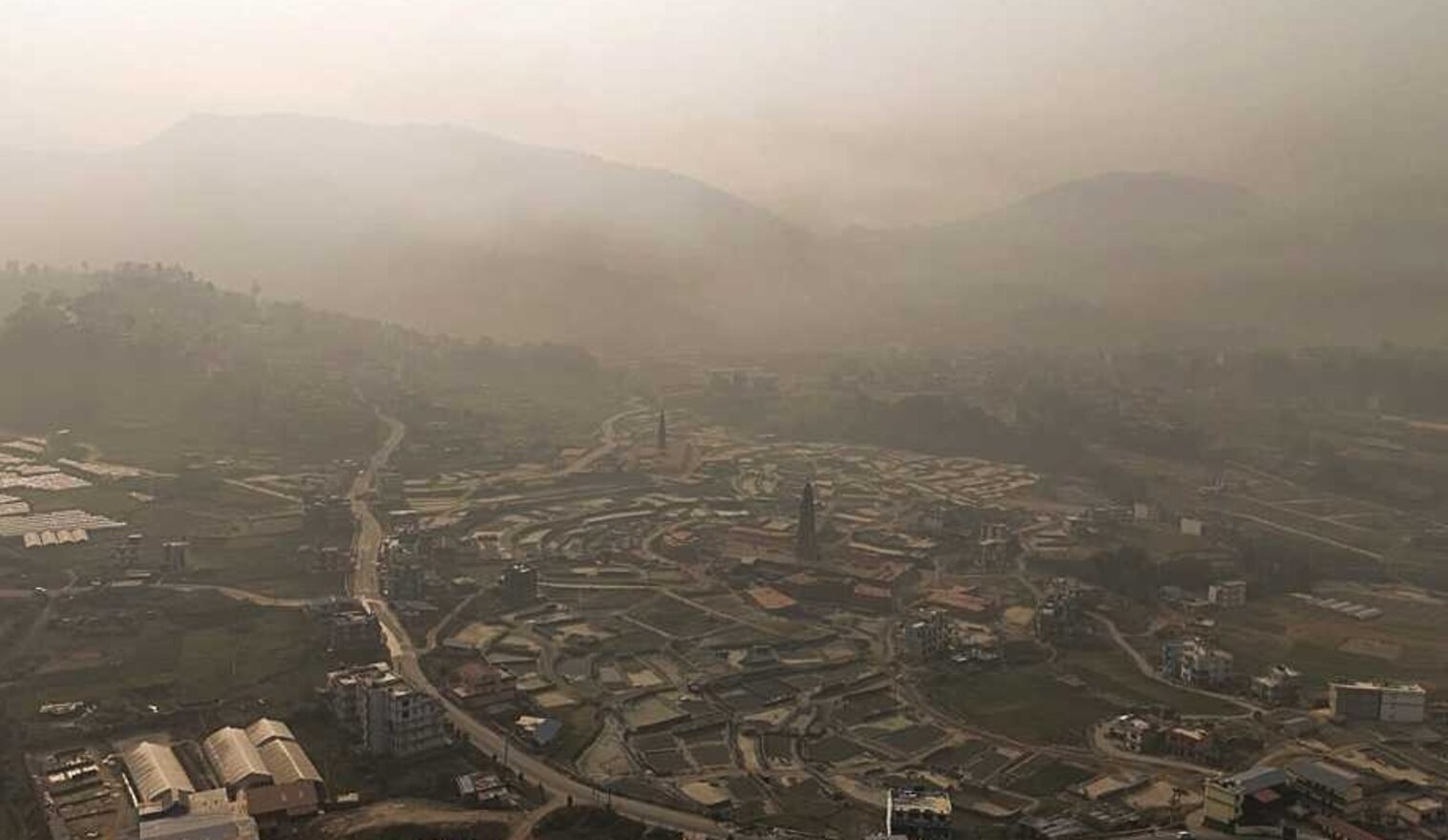
Health researchers warn that longer pollen seasons could lead to higher rates of hay fever and asthma-related complications, especially among children, older adults, and individuals with pre-existing respiratory conditions. Urban areas may be particularly affected due to higher pollution levels interacting with airborne allergens.
The findings highlight a broader pattern of climate-driven environmental change, where gradual increases in temperature are producing cascading effects on ecosystems, agriculture, and human health. Scientists emphasize that these changes are already being observed rather than projected for the future.
Climate specialists say that reducing greenhouse gas emissions remains critical to limiting further intensification of these trends. Without significant action, they warn that pollen seasons may continue to expand, further increasing health risks across temperate regions.
For now, the study adds to a growing body of evidence showing that climate change is not a distant threat, but a present-day reality affecting everyday life across Europe and beyond.