






Maldives Strengthens Financial Position with USD 400 Million Swap Settlement and INR 30 Billion India Facility
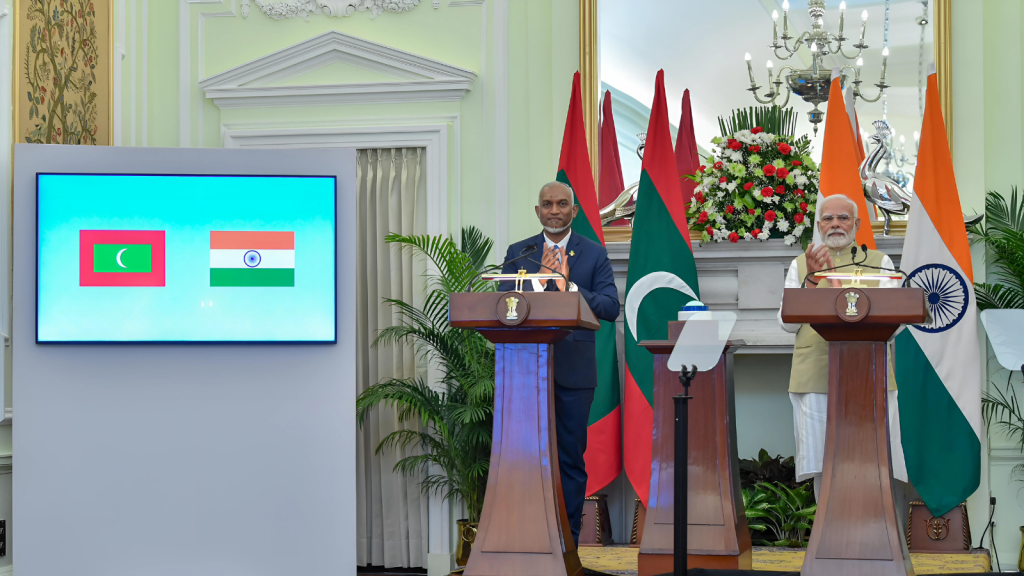
The Maldives has reinforced its external financial position following the settlement of a USD 400 million bilateral currency swap arrangement and the introduction of an INR 30 billion financial facility from India, marking a significant step in strengthening liquidity and economic resilience.
Officials confirmed that the settlement of the USD 400 million swap facility reflects the country’s commitment to maintaining stable financial obligations and preserving credibility with international partners. Currency swap agreements are widely used by governments to manage short-term foreign exchange needs, support import financing, and stabilize external reserves during periods of economic pressure.
In parallel, the new INR 30 billion facility extended by India is expected to provide additional support for the Maldives’ balance of payments and enhance its ability to manage essential import costs. The arrangement further highlights the continued economic partnership between the two countries, which has expanded in recent years through financial assistance, infrastructure cooperation, and trade ties.
Economists note that for small, tourism-dependent economies like the Maldives, access to such liquidity arrangements plays a crucial role in maintaining macroeconomic stability, particularly during periods of global uncertainty and fluctuating foreign inflows.
The Maldives economy remains heavily reliant on tourism revenues, making it sensitive to external shocks such as global economic slowdowns, fuel price volatility, and shifts in international travel demand. As a result, bilateral financial support mechanisms are often used to bridge short-term financing gaps and support currency stability.
Analysts suggest that the combined impact of the swap settlement and the new facility could help ease pressure on foreign reserves and strengthen investor confidence in the near term. However, they also emphasize that long-term stability will depend on broader structural reforms, fiscal discipline, and sustained growth in key sectors including tourism, fisheries, and infrastructure development.
The latest financial arrangements underscore the importance of regional cooperation in supporting economic resilience, while highlighting the role of strategic partnerships in helping smaller economies navigate global financial challenges.