


War and Diplomacy Collide as Iran Turns to Russia and U.S. Signals Conditional Talks
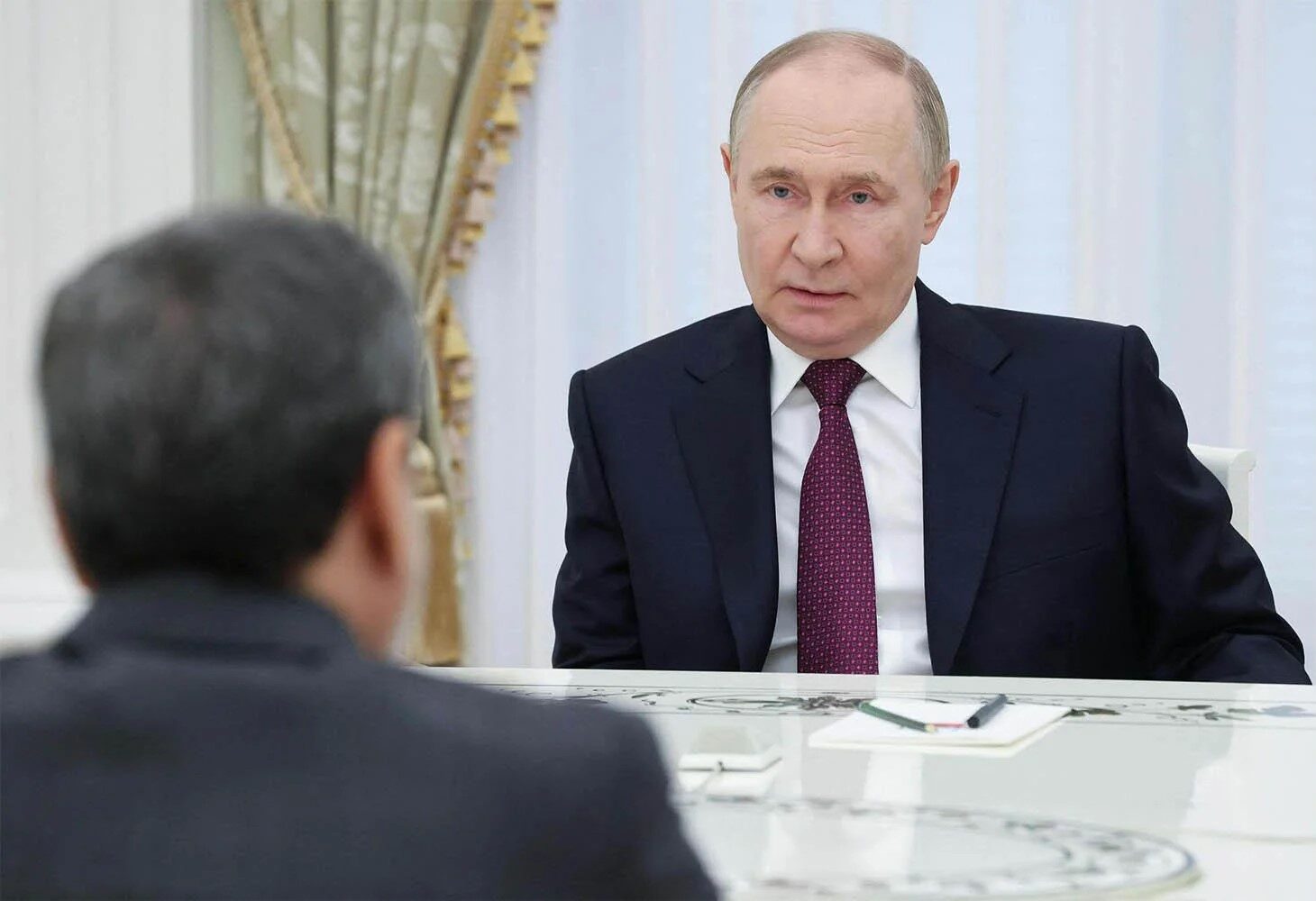
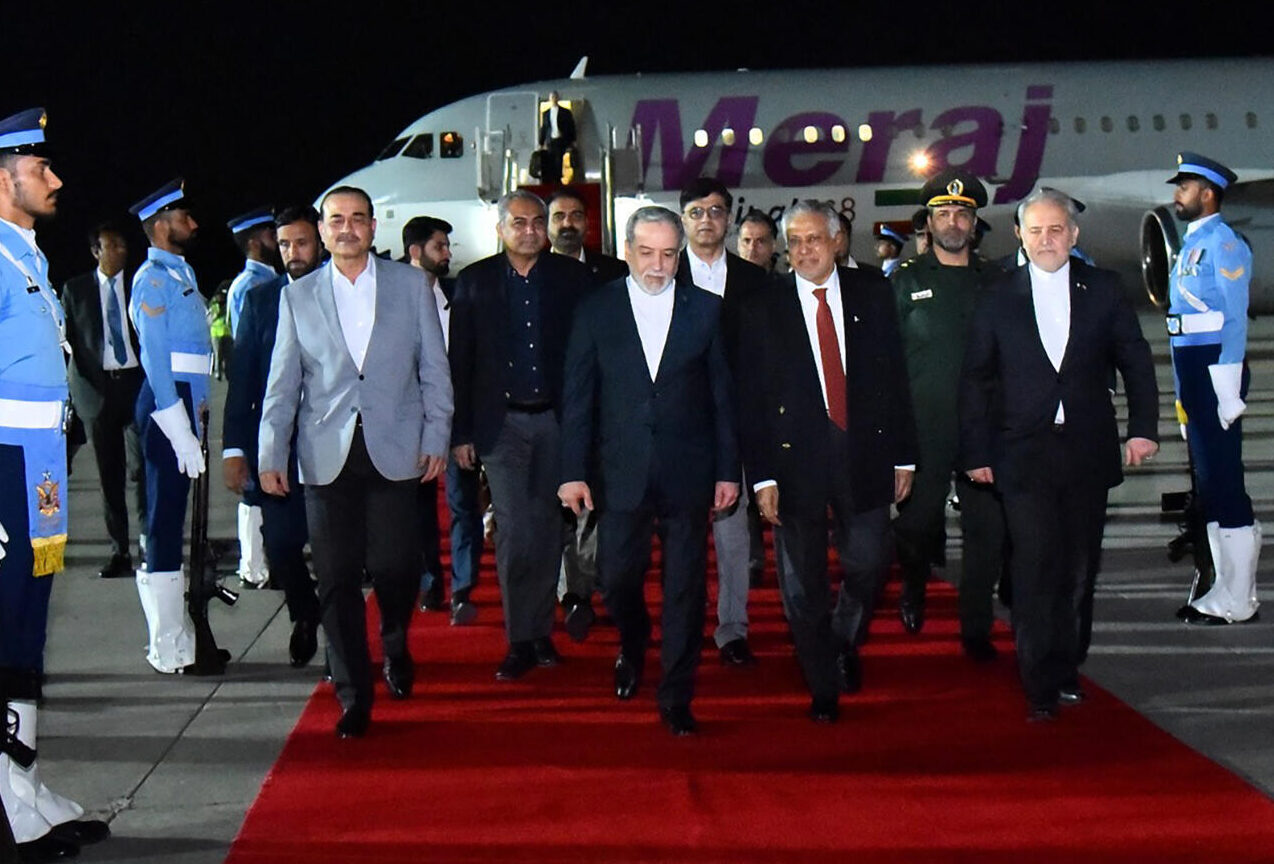
A fragile balance between escalation and diplomacy is unfolding as Iran intensifies its global outreach while the United States signals that talks remain possible but only on its own terms. The latest developments come as Iran’s Foreign Minister Abbas Araghchi prepares for high-stakes discussions with Russian President Vladimir Putin, a move widely seen as an attempt to reshape the diplomatic landscape amid stalled negotiations with Washington.
The visit to Moscow marks a critical moment in the ongoing crisis. With direct dialogue between Iran and the United States at a standstill, Tehran appears to be strengthening ties with key global powers in search of strategic backing. Russia’s role is particularly significant, as it continues to position itself as a major geopolitical player capable of influencing the direction of the conflict.
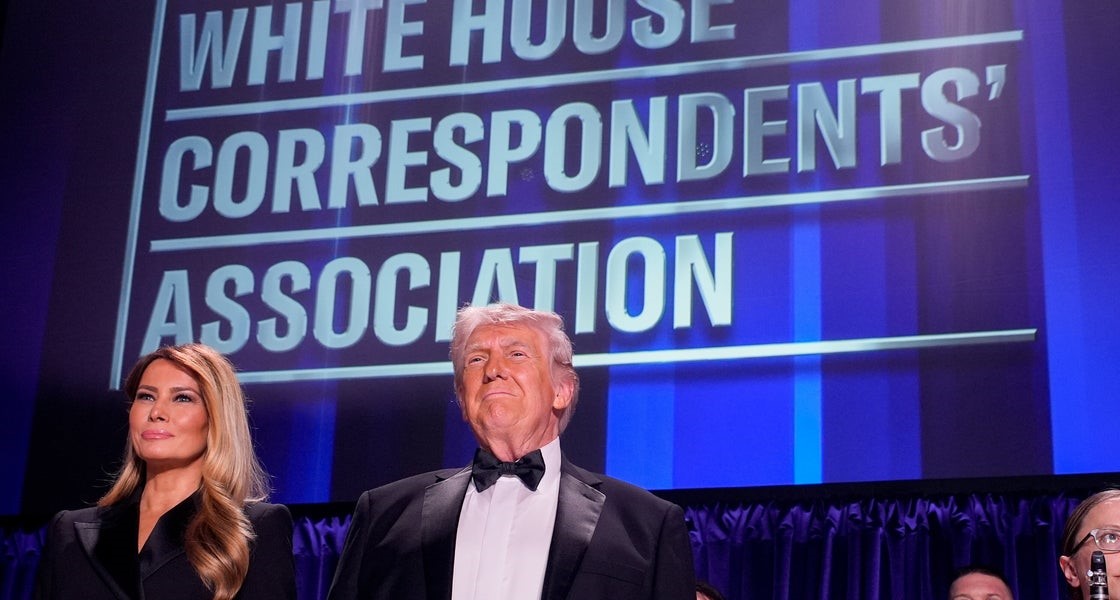
At the same time, U.S. President Donald Trump has indicated that negotiations are not entirely off the table. His message, however, comes with clear conditions: Iran must take the initiative and demonstrate willingness to meet American demands, particularly concerning its nuclear ambitions. This stance underscores a broader reality while both sides leave the door open to diplomacy, neither appears ready to make the first major concession.
The situation reflects a deeper deadlock rooted in mistrust and competing priorities. Iran continues to demand relief from economic sanctions and recognition of its regional influence, while the United States insists on stricter controls over Tehran’s nuclear and military capabilities. These opposing positions have repeatedly derailed previous attempts at reaching a lasting agreement.
Beyond diplomacy, the stakes are rising on the ground. The broader region remains tense, with military activity and proxy conflicts contributing to an atmosphere of uncertainty. Strategic waterways and trade routes are under increased scrutiny, and any further escalation could have far-reaching consequences for global stability and economic markets.
For global observers, the current moment highlights the complex interplay between power politics and diplomacy. Iran’s outreach to Russia suggests a shift toward a more multipolar negotiation strategy, while Washington’s conditional openness reflects a continued reliance on pressure-based tactics.
As talks remain uncertain and tensions persist, the world is watching closely. Whether this moment leads to renewed negotiations or deeper confrontation will depend on the willingness of both sides to move beyond rigid positions. Until then, the crisis stands as a reminder of how quickly geopolitical tensions can shift and how difficult they are to resolve once they reach a breaking point.