




Taiwan Reaffirms Independence Position After Trump Warning Sparks Diplomatic Tension
Taiwan has firmly reiterated its position on self-governance and sovereignty following recent comments from U.S. President Donald Trump that raised fresh questions about cross-strait relations and Washington’s approach to Beijing.
Taipei responded by stressing that it operates as a fully self-governed democracy with its own political system, military, and elected leadership, and that its future can only be determined by its 23 million people. Officials emphasized that Taiwan’s status remains unchanged despite external pressure or shifting geopolitical rhetoric.
The remarks from Trump, which warned of potential consequences tied to rising tensions in the Taiwan Strait, have triggered renewed debate over the delicate balance of power in the Indo-Pacific region. His comments were widely interpreted as part of broader U.S. positioning toward China, particularly amid ongoing disputes over trade, technology, and military influence in the region.
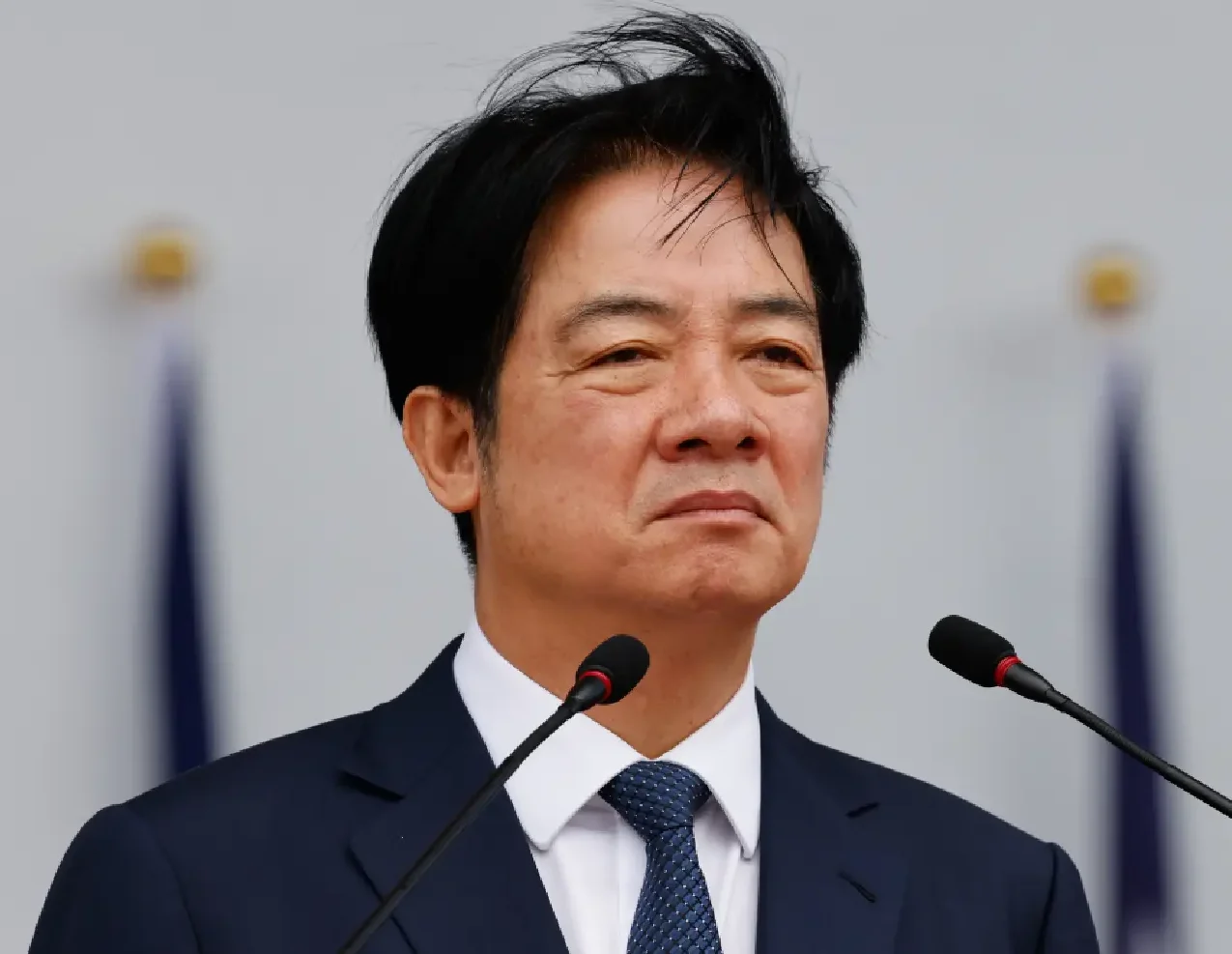
Taiwanese leaders moved quickly to reassure both domestic and international audiences that governance and policy decisions remain entirely under local control. They reiterated that Taiwan continues to strengthen its democratic institutions and expand cooperation with like-minded partners across trade, security, and technology sectors.
The situation has once again drawn attention to the longstanding disagreement between China and Taiwan. Beijing considers Taiwan a breakaway province and has repeatedly stated its intention to pursue reunification, while Taiwan maintains its independent political identity and rejects claims of external sovereignty.
The United States maintains a policy of strategic ambiguity, officially recognizing Beijing diplomatically while continuing informal relations and arms support to Taipei. This balancing act has long been a cornerstone of regional stability, but it also leaves room for periodic diplomatic friction, particularly when high-profile statements escalate tensions.
International observers note that even brief political statements can have outsized effects on financial markets and regional security perceptions, given Taiwan’s critical role in global semiconductor production and supply chains. Any instability in the region is closely monitored by governments and corporations worldwide.
Despite the renewed attention, Taiwanese officials have sought to project stability, emphasizing economic resilience and continued engagement with global partners. They reiterated that Taiwan remains committed to peace, dialogue, and maintaining the status quo in the region, while firmly rejecting any narrative that undermines its self-governing status.
As geopolitical tensions continue to shift between Washington, Beijing, and Taipei, Taiwan’s latest response underscores its consistent position: its future is a matter of self-determination, not external pressure.