




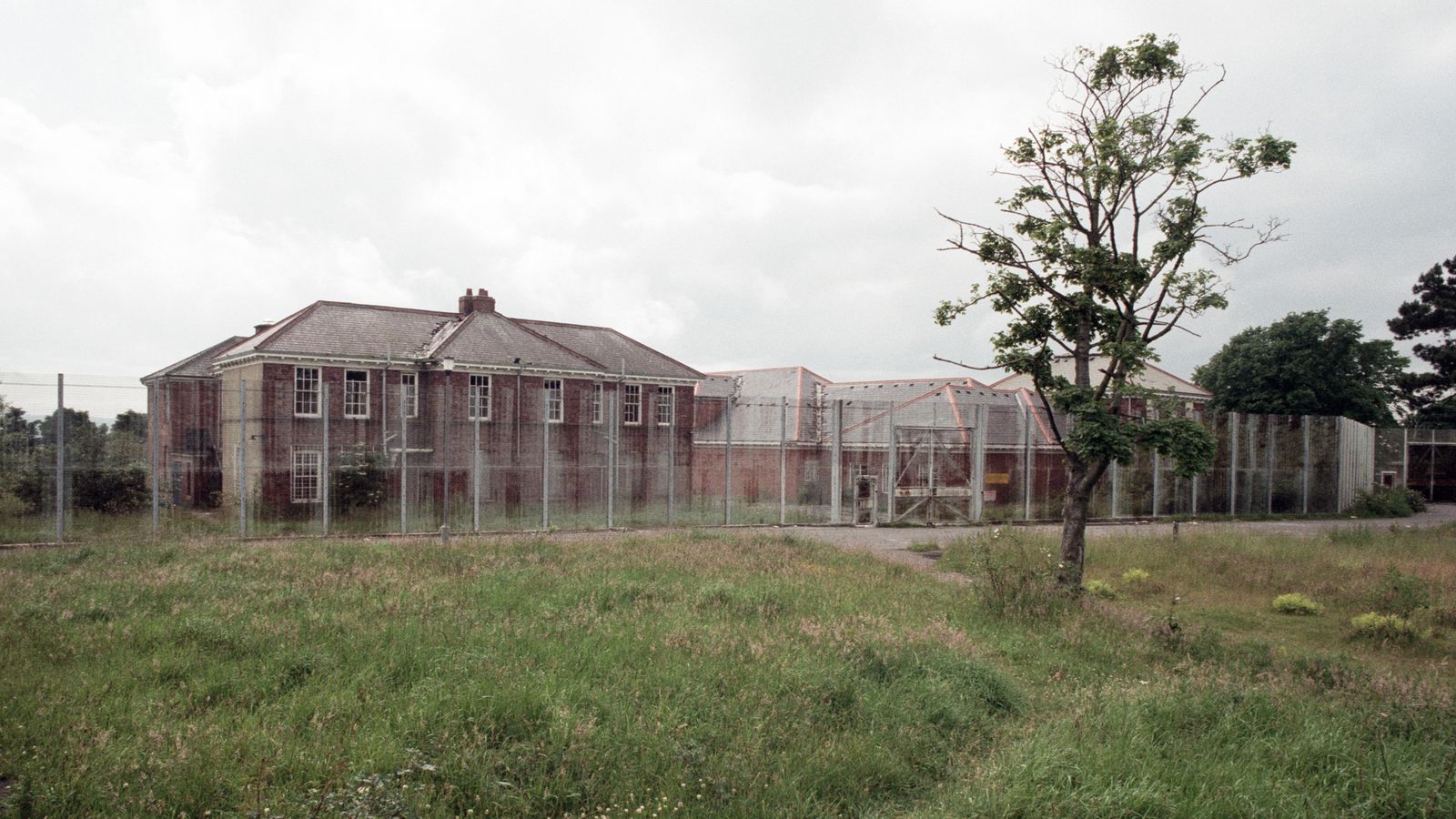





‘Ignored for Decades’: UK Confronts Legacy of Medomsley Abuse Scandal as Government Pledges Reforms
The British government has acknowledged that one of the country’s most disturbing child abuse scandals remained overlooked for decades because many of its victims were working-class boys from northern England, as ministers announced new measures aimed at strengthening safeguards across the youth justice system.
Sentencing and Youth Justice Minister Jake Richards said the abuse at Medomsley Detention Centre in County Durham represented a profound failure of the state to protect vulnerable children. He pledged to implement recommendations designed to prevent similar crimes from occurring in youth custody facilities in England and Wales.
Between 1961 and 1987, Medomsley became the scene of widespread sexual abuse committed by Neville Husband, one of Britain’s most notorious sex offenders. Husband, a detention centre officer, subjected boys in his care to years of rape, sexual assault and physical abuse while allegations repeatedly went unaddressed.
The full scale of the scandal emerged following investigative reporting that prompted a six-year police inquiry by Durham Constabulary. Investigators eventually identified more than 2,000 victims, making Medomsley one of the largest institutional child abuse cases in British history.
A subsequent inquiry by the Prisons and Probation Ombudsman concluded that serious institutional failures allowed the abuse to continue unchecked for decades. The findings led to a formal government apology to survivors and a comprehensive review of safeguarding arrangements throughout the youth custody estate.
Richards said reading the inquiry’s findings shortly after becoming a government minister left him shocked by what he described as “industrial sexual abuse” inflicted on some of the country’s most vulnerable children. He argued that the victims’ social backgrounds contributed to the lack of public attention and institutional response, suggesting the scandal might have received greater scrutiny had those affected come from more privileged communities.
The government’s planned reforms include stronger safeguarding procedures, improved oversight of detention facilities and measures to ensure allegations of abuse are reported, investigated and acted upon more effectively. Officials hope the changes will rebuild confidence in the youth justice system while ensuring that vulnerable young people receive greater protection.
For survivors, however, the announcement represents only one step in a long search for justice. Many have spent decades seeking recognition of the abuse they endured and accountability for the institutional failures that allowed it to continue. As Britain reflects on one of its darkest chapters in youth custody, the Medomsley scandal remains a stark reminder of the consequences of ignoring vulnerable voices and failing to act on repeated warnings.