







TRUMP FILES $5 BILLION DEFAMATION LAWSUIT AGAINST BBC OVER PANORAMA EDIT
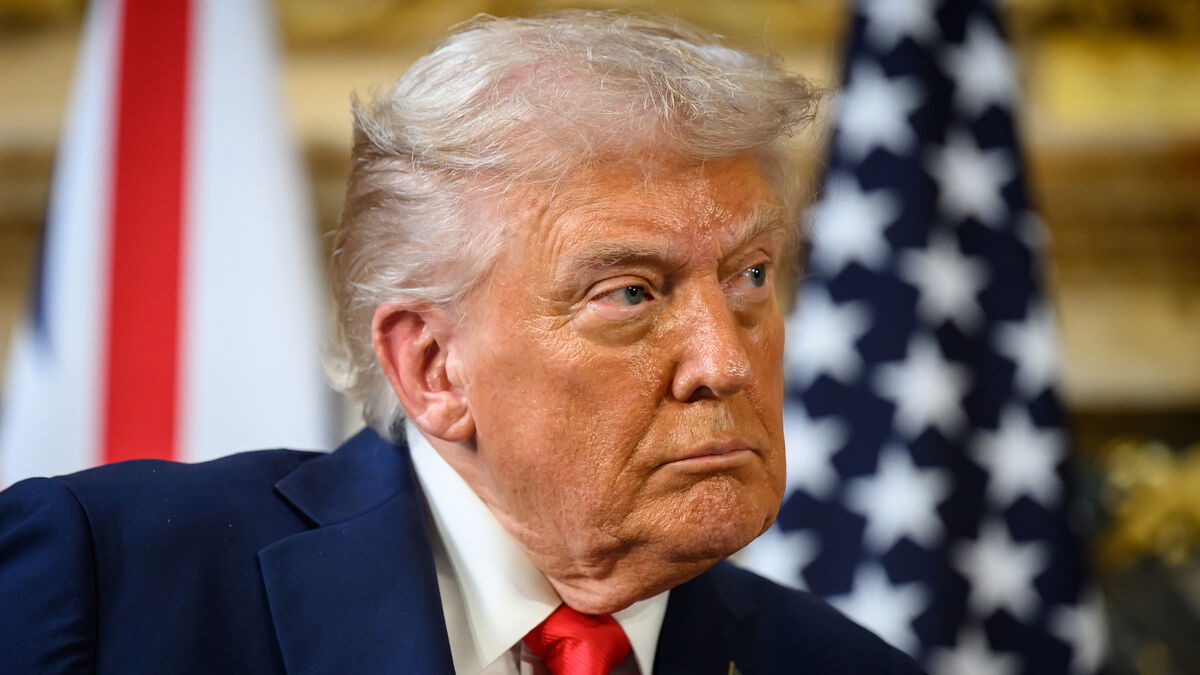
Former United States President Donald Trump has filed a defamation lawsuit seeking $5 billion in damages against the British Broadcasting Corporation (BBC), accusing the broadcaster of misleading editing in a Panorama documentary that featured his January 6, 2021 speech. The legal action marks a major escalation in Trump’s long-running conflict with international media organizations.
The lawsuit, filed in a federal court in Florida, alleges that the BBC deliberately edited Trump’s speech in a way that distorted its meaning and falsely portrayed him as directly inciting violence at the U.S. Capitol. According to the complaint, the programme selectively removed remarks in which Trump called for peaceful protest while emphasising phrases such as “fight like hell,” creating what his lawyers describe as a damaging and deceptive narrative.
Trump claims the edited broadcast harmed his personal reputation, political standing, and business interests, arguing that the BBC acted with malice and reckless disregard for the truth. The lawsuit also includes claims under Florida’s Deceptive and Unfair Trade Practices Act, potentially increasing the total damages sought to $10 billion.
The Panorama episode aired in the United Kingdom ahead of the 2024 U.S. presidential election and examined Trump’s role in the events surrounding the Capitol riot. While the BBC later acknowledged that the editing may have created a misleading impression and issued an apology for what it described as an error of judgment, it has rejected Trump’s legal claims and said it intends to defend the case vigorously.
The controversy has had serious repercussions within the BBC, reportedly leading to internal reviews of editorial standards and the resignation of senior figures involved in news oversight. The broadcaster has maintained that the programme was produced in the public interest and denies intentionally misrepresenting Trump’s words.
Legal experts note that defamation cases involving public figures in the United States face a high bar, requiring proof that false information was published with “actual malice.” Trump’s legal team insists that standard has been met, arguing the editing choices were deliberate rather than accidental.
The lawsuit adds to a series of legal battles Trump has pursued against media organizations he accuses of unfair coverage. Supporters say the case represents a challenge to media bias, while critics warn it could have implications for press freedom and editorial independence.
As the case moves forward, it is expected to draw intense international attention, highlighting ongoing tensions between political power, media responsibility, and the limits of journalistic editing in an era of global scrutiny.