









Calls Grow for Albanese to Step Down After Bondi Attack Sparks Political Storm
Calls for Prime Minister Anthony Albanese to resign intensified today following the deadly incident at Sydney’s Bondi Junction, as public anger and political criticism mounted over national security and government preparedness. The attack, which left several people dead and injured, has triggered an emotional national debate, with some commentators and opposition figures describing the incident as terrorism and accusing the federal government of failing to adequately protect Australians.
Social media platforms were flooded with demands for accountability, with critics arguing that the government had underestimated security threats and ignored warning signs of rising violence. Protesters and online campaigns calling for the prime minister’s resignation gained traction throughout the day, reflecting heightened public anxiety and grief in the aftermath of the tragedy. While authorities have continued their investigation into the attacker’s motives, the incident has nonetheless become a focal point for broader political discontent.
Opposition leaders seized on the moment to question the government’s handling of public safety, border control, and intelligence coordination. They argued that Australians expect strong leadership during times of crisis and claimed the prime minister’s response lacked urgency and clarity. Some critics pointed to earlier policy decisions, suggesting they may have weakened the country’s ability to prevent violent acts.
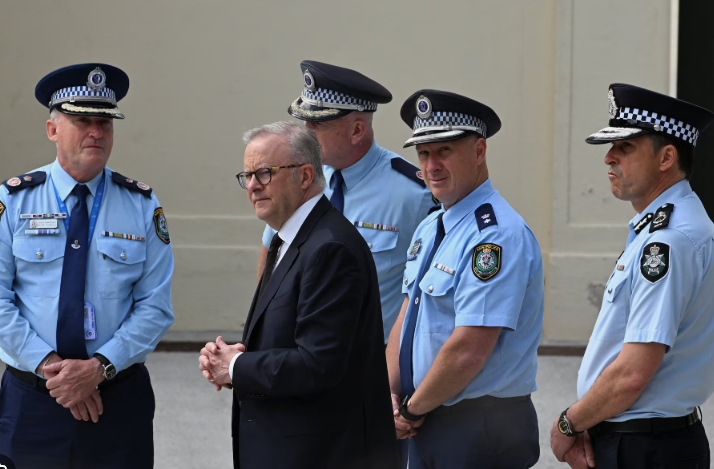
The Albanese government, however, rejected calls for resignation, emphasizing that law enforcement and security agencies are working closely together to determine the facts surrounding the attack. Senior ministers urged the public to avoid speculation and to allow investigators to complete their work. The prime minister expressed condolences to the victims’ families and praised first responders for their swift action, stating that national unity was essential during such a painful period.
Political analysts noted that while calls for resignation are common in the immediate aftermath of major incidents, they do not always translate into lasting political consequences. However, they warned that sustained public pressure, combined with ongoing scrutiny of security policies, could pose a serious challenge for the government if unanswered questions remain.
As Australia mourns the victims of the Bondi incident, the political fallout continues to unfold. The coming days are expected to bring further debate over national security, leadership, and accountability, with the prime minister under intense pressure to reassure the public and restore confidence at a time of national distress.