








Labour Faces Early Tests as It Tries to Reset British Politics
The Labour government is entering a crucial phase as it attempts to turn its election victory into long-term political stability, with early decisions offering a glimpse of how it plans to govern after years of turbulence in Westminster. Promising economic competence, calmer leadership and gradual reform, the new administration faces the difficult task of meeting high public expectations while operating under tight financial constraints.
At the heart of Labour’s challenge is the economy. Voters backed the party largely on the promise of restoring growth, easing pressure on household finances and fixing strained public services. Yet weak productivity, high debt levels and limited room for large-scale spending increases have narrowed the government’s options. Ministers are under pressure to show progress without resorting to unpopular tax rises or breaching fiscal rules designed to reassure markets.
Public services remain another major test. The National Health Service, local councils and schools continue to struggle with staffing shortages and funding gaps. While Labour has pledged reform rather than rapid spending expansion, critics argue that incremental changes may fall short of the scale of the problems. Supporters counter that stability and long-term planning are themselves a break from recent years of short-term policymaking.
Politically, Labour is also seeking to redefine the tone of government. After a period marked by scandals and internal divisions under previous administrations, the party has emphasized professionalism and discipline. This approach appears designed to rebuild trust among voters who may not be deeply ideological but want effective governance. Maintaining unity within the party, however, will be essential as debates emerge over spending priorities, welfare policy and relations with business.
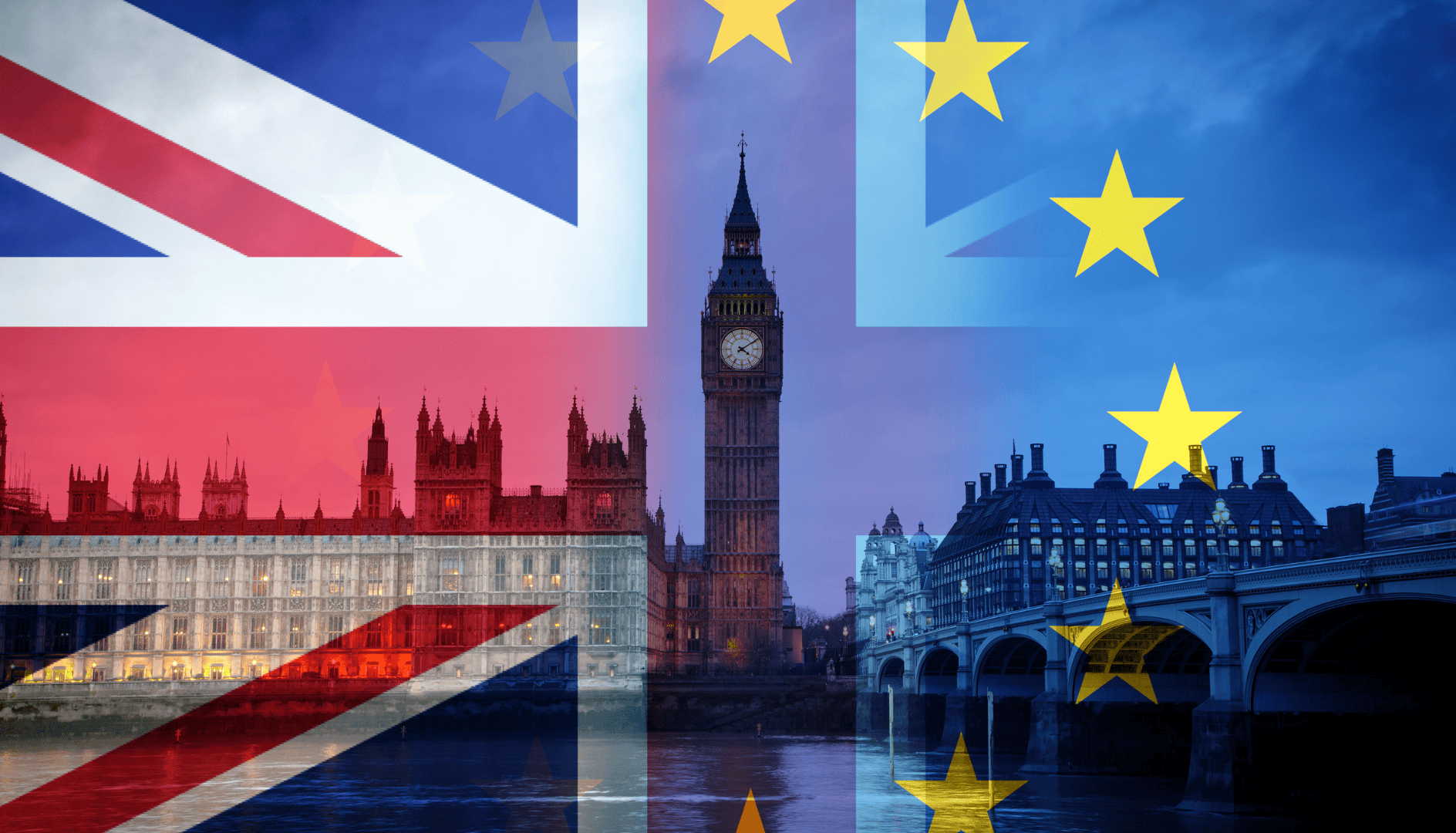
Relations with the European Union are another area attracting attention. While Labour has ruled out rejoining the EU or the single market, it has signaled a more cooperative approach to trade, security and regulation. Any visible improvement in ties could help businesses and exporters, but the government must tread carefully to avoid reigniting divisive Brexit-era arguments.
For now, Labour enjoys a political honeymoon, but it may not last long. Economic pressures, global uncertainty and domestic expectations are already testing its ability to deliver change without disruption. How the government navigates these early months could determine not only its own future, but whether British politics can truly enter a more stable and predictable era.