







Japan and Philippines Sign Defense Pact to Counter Rising China Threat
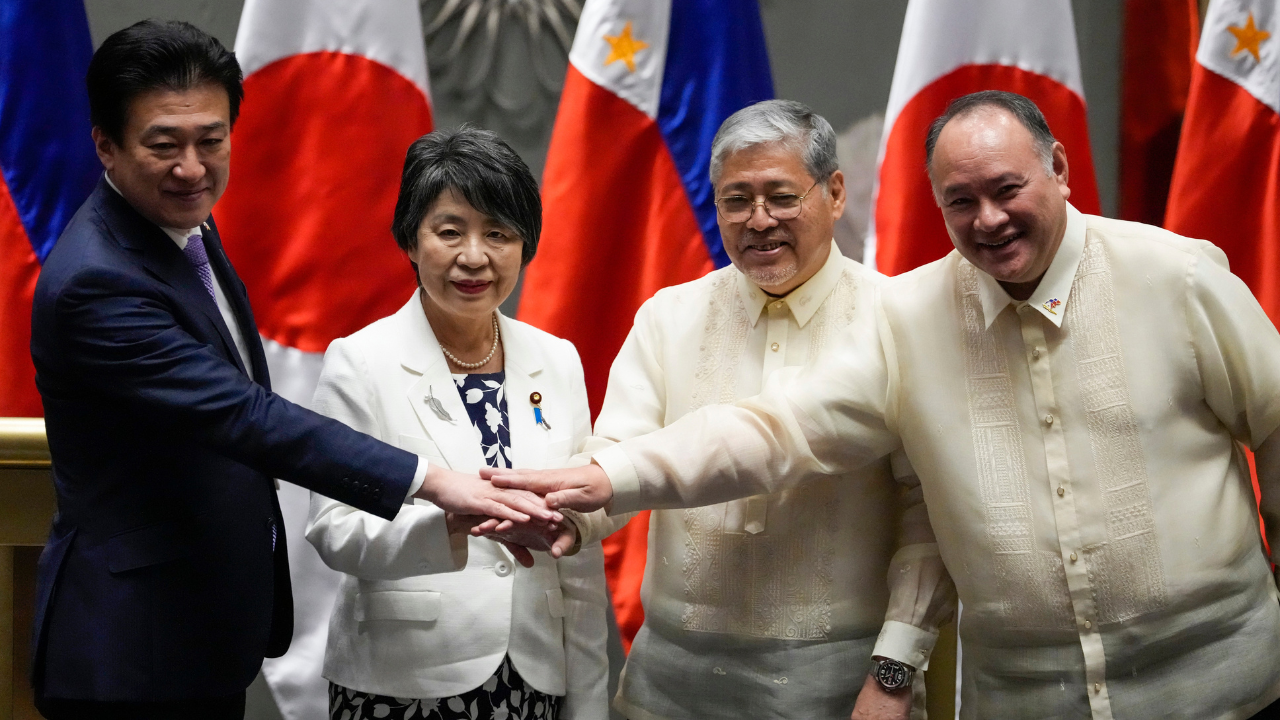
Japan and the Philippines have signed a historic defense agreement to strengthen military cooperation as both nations face increasing pressure from China in the Indo-Pacific region. The pact, formalized in Manila by Japanese Foreign Minister Toshimitsu Motegi and Philippine Foreign Secretary Theresa Lazaro, allows the armed forces of both countries to provide each other with essential supplies, including ammunition, fuel, and food, during joint operations and exercises.
The agreement, which still requires approval from Japan’s legislature, is designed to enhance military interoperability, improve disaster response, and support United Nations peacekeeping missions. Japanese officials also pledged additional security and economic assistance to the Philippines, including funding for facilities related to naval boats donated by Japan and expanded internet access in underserved areas.
This new pact builds on earlier agreements, such as the Reciprocal Access Agreement, which permits Japanese and Philippine troops to conduct joint exercises and operations on each other’s territory. Both governments emphasized that the rising assertiveness of China in the East and South China Seas is a key factor driving closer security ties. Beijing’s maritime claims and increased military patrols have alarmed Manila and Tokyo, prompting them to strengthen bilateral cooperation and reaffirm commitment to a rules-based regional order.
Experts say the agreement signals a broader shift in regional security dynamics, with Japan and the Philippines joining efforts alongside allies like the United States to deter unilateral attempts to change the status quo. Leaders from both countries also indicated ongoing talks on further agreements to enhance intelligence sharing and strategic coordination, reflecting a growing partnership in response to China’s expanding influence.
For Manila and Tokyo, the pact represents both a practical step in military preparedness and a clear political message. By solidifying their defense ties, they aim to maintain stability in contested waters, protect maritime trade routes, and assert their commitment to peace and security in the region.