




Burkina Faso Faces Ongoing Security and Political Challenges Amid Military Rule
Burkina Faso continues to face deepening security and political challenges as the country remains under military rule, with violence linked to armed extremist groups and growing restrictions on political life shaping daily realities for millions of citizens.
Since the military takeover, authorities have emphasized restoring security as their top priority. However, large parts of the country, particularly in the north and east, remain affected by attacks attributed to armed groups linked to extremist networks operating across the Sahel region. These attacks have targeted civilians, local leaders, and security forces, contributing to one of the largest displacement crises in West Africa.
According to humanitarian organizations, millions of people have been forced to flee their homes, seeking safety in urban centers or temporary shelters. Limited access to food, healthcare, and education has worsened conditions for displaced families, while aid groups warn that insecurity continues to hamper relief efforts in remote areas.
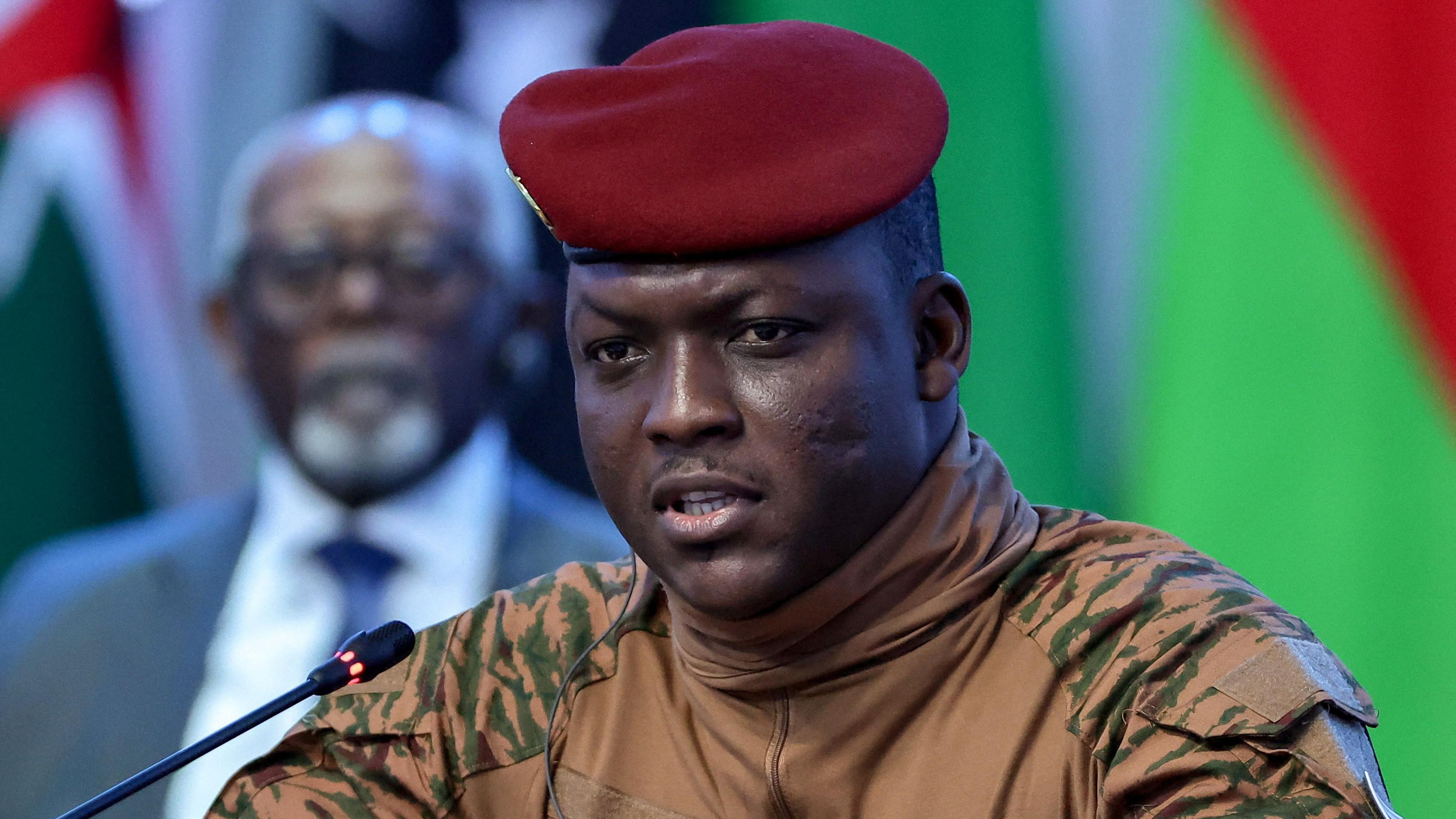
Politically, the military government has tightened its control over state institutions, suspending political activities and restricting public dissent. Officials argue that these measures are necessary to maintain national unity and focus on the fight against insecurity. Critics, however, say the restrictions have reduced civic space and delayed progress toward a return to democratic governance.
Burkina Faso’s foreign relations have also shifted in recent years, reflecting broader changes in the Sahel. The government has re-evaluated partnerships with regional and international allies, emphasizing national sovereignty and security cooperation aligned with its current strategy. These shifts have sparked debate both domestically and abroad about the country’s long-term political direction.
Despite the challenges, authorities say efforts are ongoing to strengthen the national army, improve intelligence capabilities, and regain control of affected territories. Community groups and local leaders continue to call for dialogue, reconciliation, and increased support for civilians caught in the conflict.
As Burkina Faso navigates this complex period, the balance between security, governance, and human rights remains a central concern. The coming months are expected to be critical in determining whether the country can stabilize and move toward lasting peace.