









UK Politics: Starmer Faces Backlash Over EU Policy and AstraZeneca Investment Shift
Prime Minister Keir Starmer is facing growing criticism over his government’s stance on European Union relations and the recent shift of AstraZeneca’s investment strategy. Opposition parties and industry commentators have expressed concern that the UK is losing leverage in negotiations with the EU while allowing major pharmaceutical firms to redirect key operations abroad.
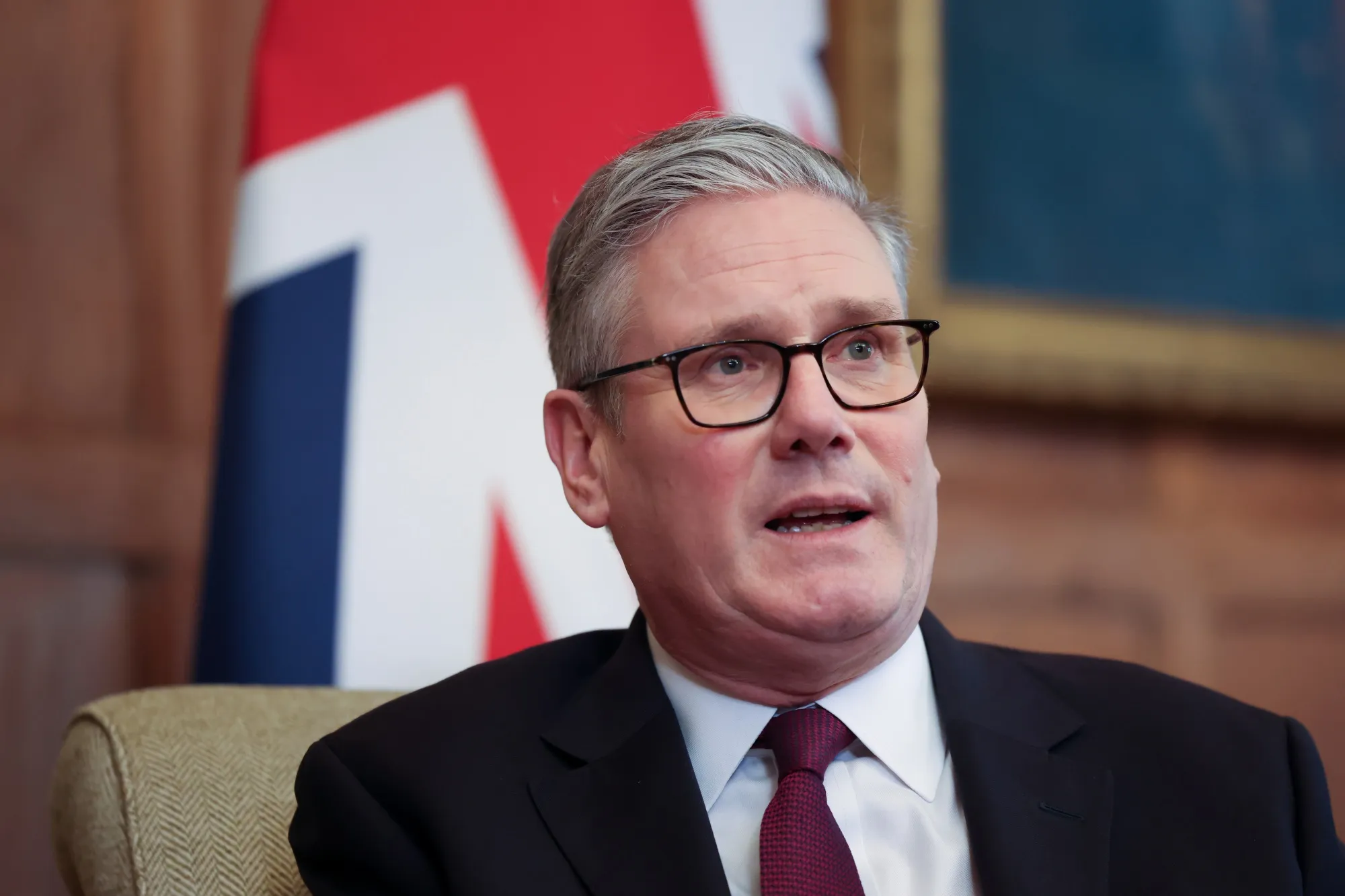
Starmer, speaking at a parliamentary session, defended his approach, saying that closer collaboration with the EU is necessary for long-term trade stability and economic growth. He argued that the UK must maintain constructive engagement with European partners to secure favorable deals on pharmaceuticals, energy, and research initiatives, even as some critics accuse him of being too conciliatory.
The controversy comes after AstraZeneca announced plans to relocate portions of its research and manufacturing investment from the UK to continental Europe. While the company cited strategic alignment with EU regulations and supply chains, political opponents claim the move signals a lack of confidence in the UK’s business climate. Some Members of Parliament have called for urgent parliamentary hearings to examine whether government policies are inadvertently driving companies out of the country.
Labour supporters, however, contend that Starmer’s strategy balances the UK’s sovereignty with pragmatic economic decision-making. Advocates note that continued engagement with the EU can prevent trade barriers, maintain research collaborations, and protect jobs across critical sectors.
Analysts say the backlash reflects wider debates in UK politics about the country’s post-Brexit identity and its position on the international stage. With voters closely monitoring economic policy, trade decisions, and corporate investment, Starmer’s handling of these issues could shape public perception ahead of upcoming local and national elections.
Business leaders have urged calm, noting that multinational companies often adjust operations for logistical and regulatory reasons, and that sustained dialogue between the UK and EU remains vital for future investment. The Prime Minister’s office emphasized that protecting domestic interests while fostering international partnerships remains a key priority for the government.
As discussions continue, Starmer faces the challenge of navigating a politically charged landscape where trade, investment, and European relations intersect — all under the watchful eye of voters, opposition parties, and global markets.