










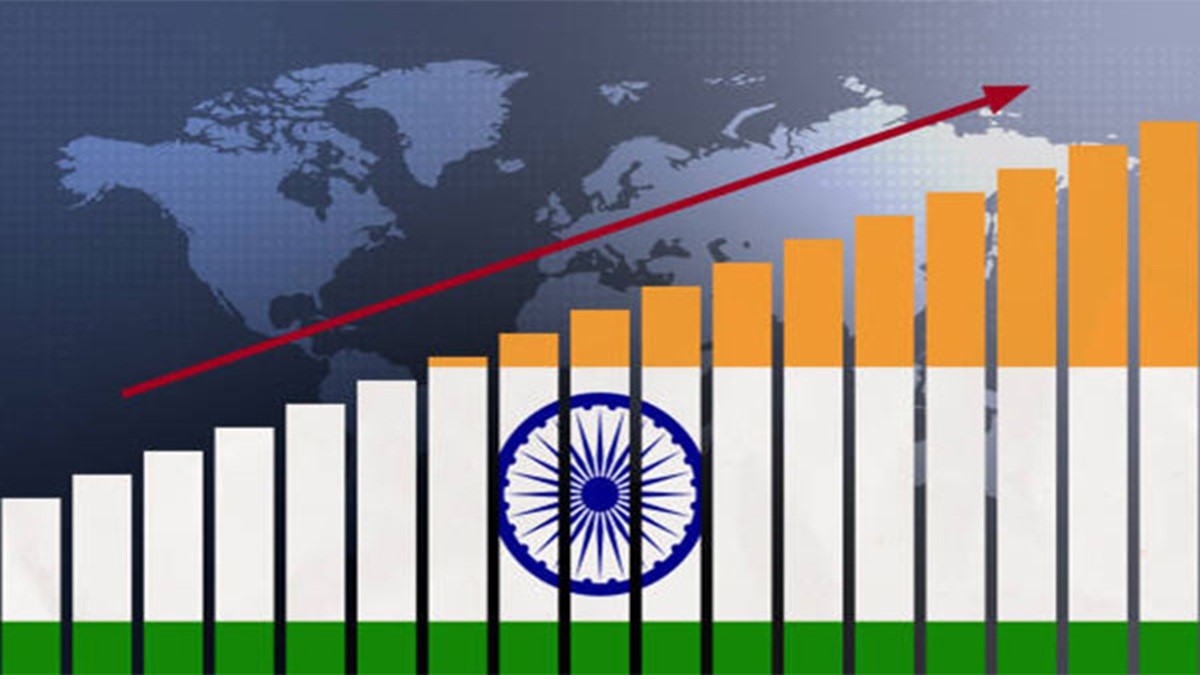
Asia Powers Global Growth as India Surges and Exports Rebound Across the Region
Asia has emerged as the primary engine of global economic growth at the start of 2026, driven by India’s accelerating expansion and a broad-based recovery in exports across key regional economies. As demand steadies in major Western markets and supply chains continue to normalize, Asia’s business landscape is showing renewed confidence after several years of volatility.
India remains at the center of this momentum. Strong domestic consumption, rising government capital expenditure and sustained investment in infrastructure and manufacturing have reinforced its position as one of the world’s fastest-growing major economies. Policymakers and business leaders view the current trajectory as evidence that structural reforms, digitalization and a young workforce are translating into durable economic gains. The country’s growing role in global supply chains has also helped insulate it from external shocks.
Elsewhere in Asia, export-driven economies are reporting a notable turnaround. South Korea and Taiwan have benefited from renewed global demand for semiconductors and electronics, while Japan’s exporters are seeing improved orders as the yen remains competitive. In Southeast Asia, manufacturing hubs such as Vietnam, Thailand and Malaysia are experiencing stronger shipments of electronics, machinery and consumer goods, reflecting diversification away from single-country sourcing.
China, while facing domestic challenges in property and consumer sentiment, continues to play a critical role in regional trade flows. Targeted policy support and a gradual recovery in manufacturing activity have helped stabilize exports, providing spillover benefits to neighboring economies that supply intermediate goods and raw materials.
Business sentiment across Asia has improved alongside these trends. Companies are cautiously expanding capacity, rehiring workers and reviving investment plans that were shelved during periods of global uncertainty. Cross-border capital flows into Asian equities and bonds have also picked up, suggesting investors are repositioning toward growth markets after a prolonged focus on defensive assets.
Economists note that risks remain, including geopolitical tensions, volatile energy prices and the uncertain path of global interest rates. However, the region’s diversified growth drivers and deepening intra-Asian trade links offer a measure of resilience.
As 2026 unfolds, Asia’s ability to sustain export growth while nurturing domestic demand will be closely watched. For now, the region appears to be reclaiming its role as the world’s most dynamic growth hub, reshaping global economic momentum in the process.