





Turkey Steps In to Mediate Between US and Iran
Tensions between the United States and Iran have intensified in recent days, prompting Turkey to step in as a mediator to prevent a potential regional crisis. Ankara has called on both Tehran and Washington to return to the negotiating table and resolve disputes through dialogue rather than military action. The move highlights growing international concern over a conflict that could have far-reaching consequences for the Middle East and beyond.
Turkish Foreign Minister Hakan Fidan met with Iranian officials in Istanbul, urging restraint from both sides. “Military options will not solve these problems,” Fidan said. “Dialogue and negotiation are the only way to ensure stability and security in the region.” President Recep Tayyip Erdoğan also emphasized the importance of diplomacy, proposing that Turkey facilitate trilateral talks between Iran and the United States to reduce hostilities and encourage constructive communication.
Iranian authorities have responded positively to Turkey’s outreach. Iranian Foreign Minister Abbas Araghchi described Ankara’s mediation efforts as “constructive” and welcomed discussions aimed at easing hostilities. Tehran stressed its willingness to engage in negotiations while maintaining its stance on national security and regional sovereignty.
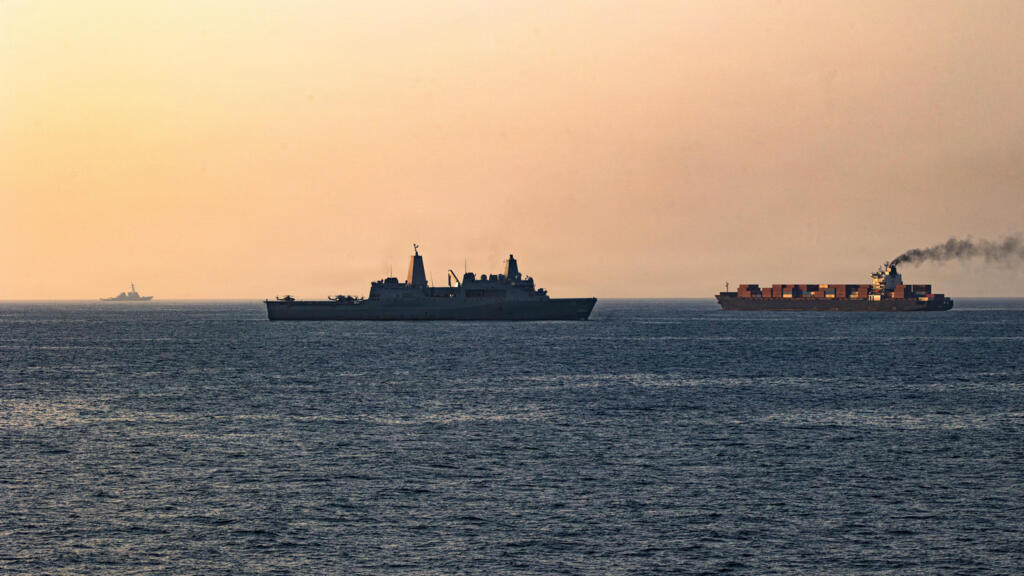
The United States continues to maintain a firm position, combining diplomatic overtures with military deterrence. President Donald Trump has demanded that Iran curb its missile and nuclear programs while warning of consequences for continued provocative actions. U.S. military deployments in the region underscore Washington’s readiness to respond if necessary, but officials have signaled that they remain open to mediated dialogue should Iran demonstrate a willingness to cooperate.
Regional and global observers have expressed support for restraint, warning that escalation could threaten energy security, disrupt international trade routes, and destabilize the Strait of Hormuz. Analysts highlight that Turkey’s role as a neutral mediator could prove crucial in preventing a direct conflict and establishing a framework for ongoing negotiations between the two adversaries.
As diplomatic efforts intensify, the international community is watching closely to see whether Turkey’s mediation can succeed. While challenges remain high, Ankara’s engagement offers a potential pathway toward de-escalation, underscoring the importance of dialogue and measured diplomacy in addressing one of the most sensitive flashpoints in current global politics. The outcome of these efforts could shape the strategic balance in the Middle East and influence broader international relations for months to come.