










Egypt Unveils New Cultural Discovery in Luxor: A Treasure Trove of Ancient Artifacts
In a stunning revelation, Egyptian archaeologists have unveiled a remarkable collection of ancient artifacts found in the tomb of an undiscovered noble in Luxor, the heart of Egypt’s famed archaeological sites. The discovery, announced this week by the Egyptian Ministry of Antiquities, has captivated the global archaeological community and further emphasized Egypt’s prominence in the world of ancient history.
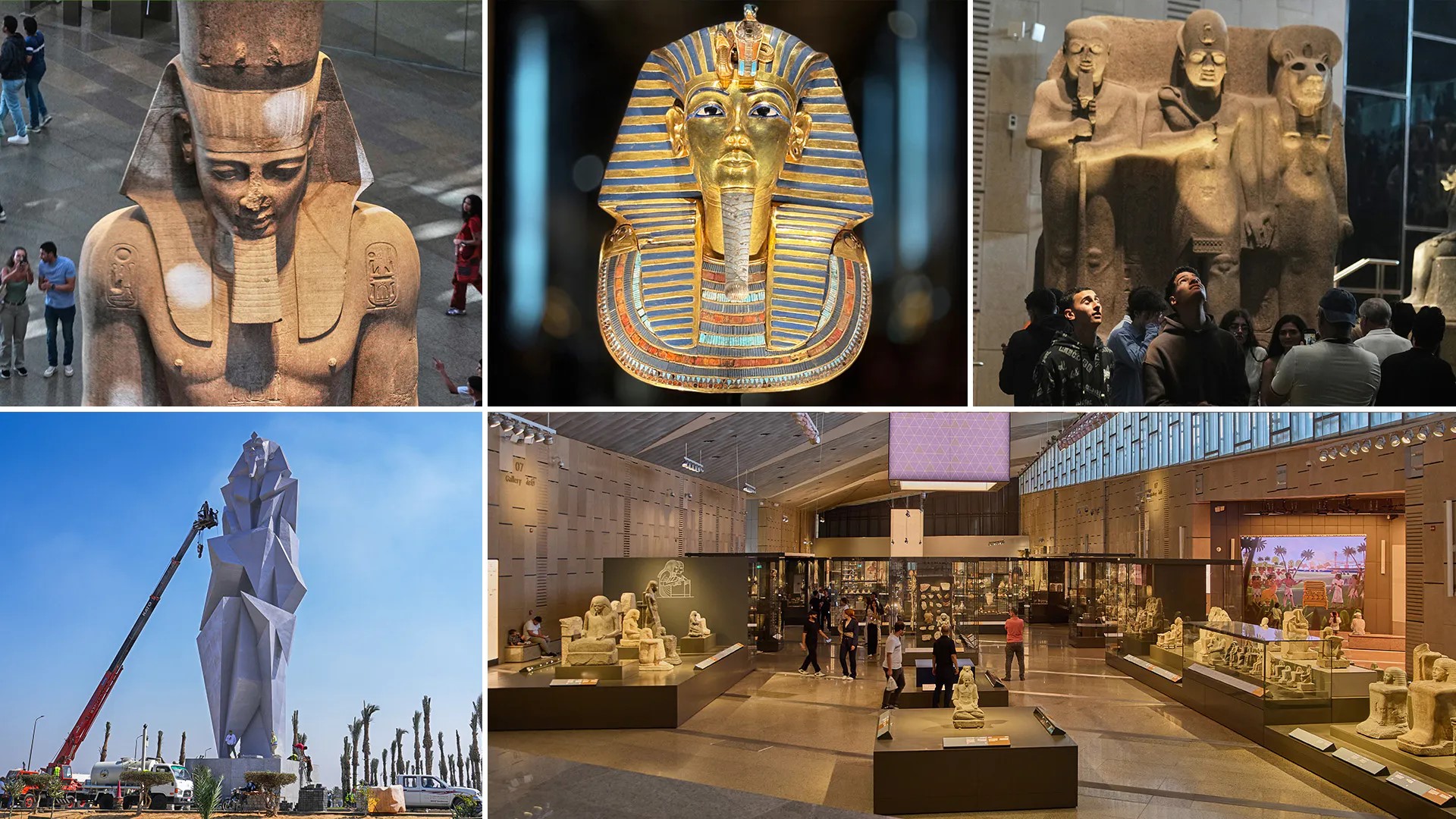
The tomb, dating back more than 3,000 years to the New Kingdom period, was hidden beneath the desert sands of the West Bank in Luxor, near the iconic Valley of the Kings. Within the tomb, archaeologists have unearthed an extraordinary array of objects, including intricately carved statues, gold jewelry, and painted murals depicting scenes from the ancient Egyptian afterlife. The tomb is believed to belong to a high-ranking official or noble, whose identity is yet to be fully confirmed.
One of the most striking findings is a collection of rare bronze statues, believed to represent gods and goddesses worshipped during Egypt’s ancient golden age. Experts believe these statues could offer new insights into the religious practices and beliefs of the time. Additionally, several stone sarcophagi and mummified remains have been discovered, sparking excitement among historians as they open a window into the funerary customs of the elite in ancient Egyptian society.
Egypt’s Minister of Tourism and Antiquities, Ahmed Eissa, hailed the find as a monumental step in understanding the grandeur of Egypt’s past. “Every discovery like this brings us closer to unlocking the mysteries of our civilization. This find underscores Egypt’s ongoing role as a treasure trove of ancient history,” Eissa said in a statement.
The tomb’s location also reveals intriguing details about the organization of royal tombs during the New Kingdom period, potentially shedding light on the social structure of ancient Egypt. Researchers have begun careful restoration efforts on the artifacts and expect to learn more about the tomb’s owner as further analysis is conducted.
This discovery adds to a string of high-profile findings in Luxor, which continues to be one of the most significant archaeological sites in the world. As Egypt reopens its doors to tourists post-pandemic, the country is eager to share these incredible discoveries with the world, cementing its place as a living museum of ancient civilization.
With this latest find, Egypt reminds the world of the timeless allure of its rich culture, which continues to fascinate and inspire people across the globe.