




Diplomacy Under Fire as U.S.–Russia–Ukraine Peace Talks Resume in Geneva
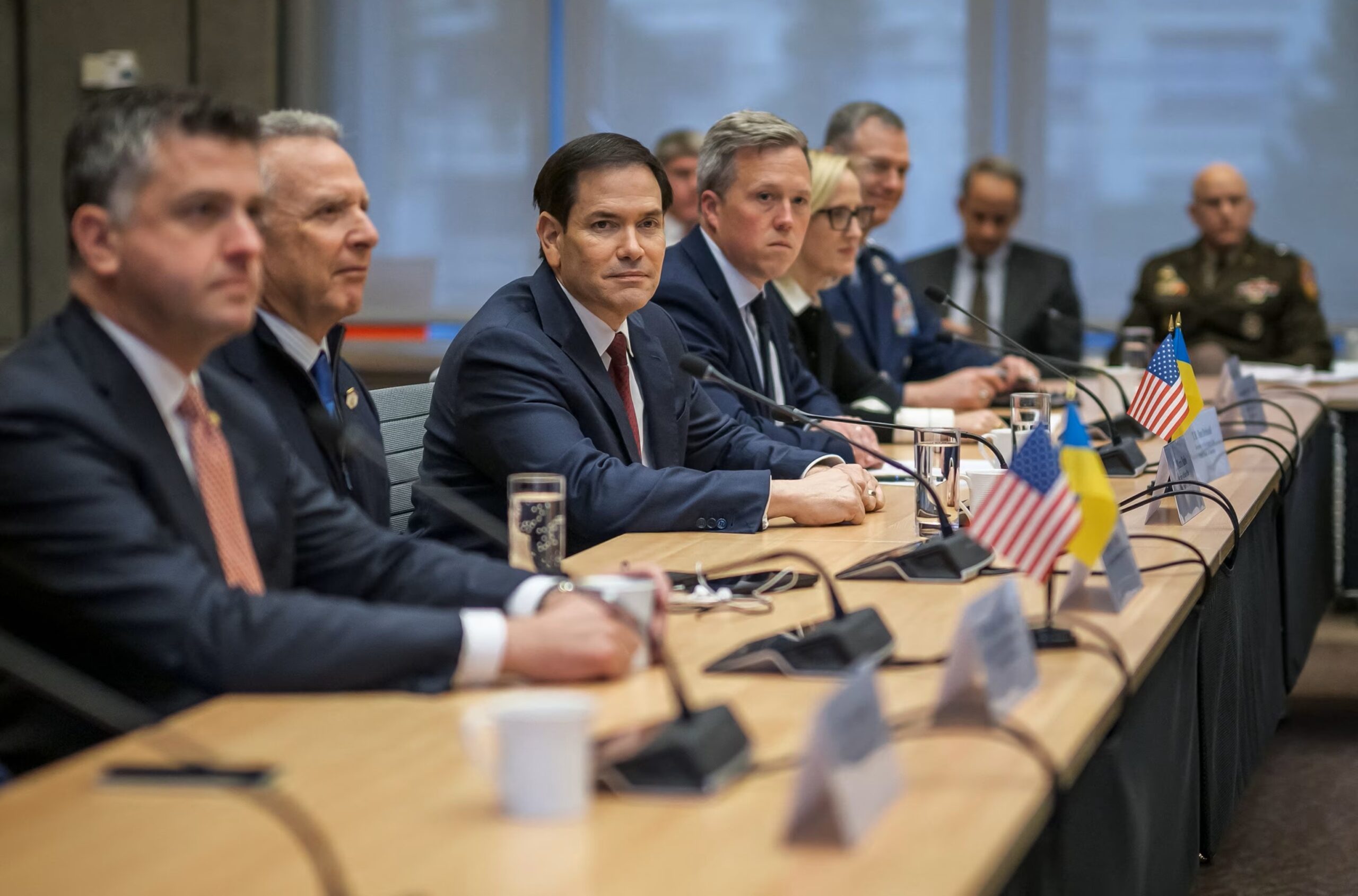
Geneva once again became the center of global attention this week as representatives from the United States, Russia, and Ukraine resumed high-stakes peace negotiations aimed at ending the prolonged conflict that has reshaped Europe’s security landscape. The latest round of talks, held behind closed doors, reflects renewed diplomatic urgency amid continued fighting on the ground.
Officials familiar with the discussions described the atmosphere as “serious but cautious,” with all sides acknowledging the complexity of the issues at stake. The agenda reportedly includes proposals for a phased ceasefire, humanitarian corridors, prisoner exchanges, and broader security guarantees. However, deep divisions remain over territorial control, military withdrawals, and long-term political arrangements.
The negotiations come at a tense moment. Military operations have continued in several contested regions, underscoring the fragile nature of diplomacy conducted during active conflict. Ukrainian officials have reiterated that any agreement must respect national sovereignty and internationally recognized borders. Russian representatives, meanwhile, are said to be pushing for recognition of territorial claims and revised security frameworks in Eastern Europe.
The United States, acting as a mediator, has emphasized the need for incremental progress rather than a sweeping settlement. Diplomatic sources suggest that Washington is encouraging confidence-building measures as a first step, including localized ceasefires and expanded humanitarian access to affected civilians.
Outside the negotiating rooms, international observers remain divided over the prospects for a breakthrough. Some analysts argue that mounting economic pressures and battlefield fatigue could create conditions for compromise. Others warn that entrenched positions and mutual distrust may limit the talks to symbolic gestures rather than substantive change.
European diplomats are closely monitoring developments, with several governments expressing support for continued dialogue while preparing contingency plans should negotiations stall. Humanitarian organizations have also urged negotiators to prioritize civilian protection as winter conditions intensify hardships in conflict-affected areas.
While no major agreement has yet emerged from the Geneva discussions, officials confirmed that further sessions are planned in the coming days. For millions affected by the war, the continuation of dialogue — even without immediate results — offers a cautious sign that diplomatic channels remain open.
Whether these talks will lead to a durable ceasefire or simply extend a fragile diplomatic process remains uncertain. For now, the world watches Geneva, hopeful that words may eventually succeed where weapons have not.